Blog Ecobraz Eigre
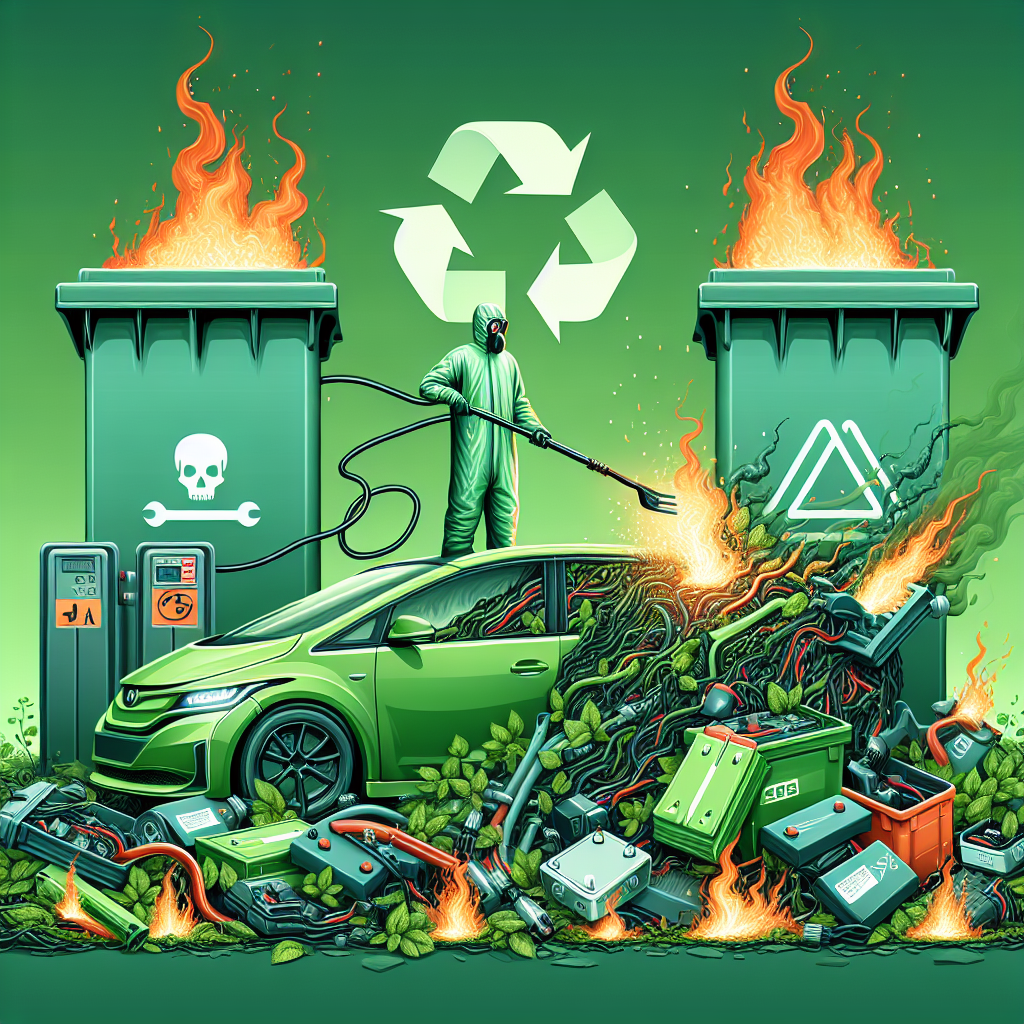
Ecobraz prevents chemical hazards and fires when disposing of electric vehicle batteries
Challenges in the disposal of electric vehicle batteries
The rapid growth of the electric vehicle market brings with it significant challenges for the management and disposal of used batteries. These components contain highly flammable and toxic chemical materials that require strict care to avoid environmental risks and fires.
Chemical risks associated with electric vehicle batteries
Lithium-ion batteries, predominant in electric vehicles, contain chemical compounds such as flammable electrolytes, heavy metals and reactive materials, which can cause contamination of soil, water and local atmospheres if disposed of inappropriately.
Fire prevention when disposing of batteries
In addition to the environmental risk, incorrect handling can trigger fires due to the chemical instability of batteries after the end of their useful cycle. Storage and transportation need to follow strict protocols to ensure safety throughout the disposal process.
Safe disposal procedures
Adopting specific handling techniques, safe packaging, as well as using the proper equipment for batteries, prevents leaks and short circuits. Careful sorting and dismantling minimizes risks, allowing recyclable components to be safely reused.
Importance of responsible recycling
Correctly recycling electric vehicle batteries not only reduces environmental impacts but also recovers valuable materials such as lithium, cobalt and nickel, contributing to the sustainability of the automotive industry and the circular economy.
Disposal education and awareness
Disseminating information about the dangers and safe disposal methods is key for consumers, collection centers and transporters to adopt proper practices, preventing accidents and protecting public health and the environment.
Conclusion
The safe disposal of electric vehicle batteries is a priority to avoid chemical hazards and fires. Implementing efficient and responsible processes guarantees environmental sustainability and the safety of the population, in line with global best practices in waste management.
ManifestTransparency & Security Manifesto
Evidence and transparency: Our ESG approach is built on traceable documentation, verifiable records and auditable operational criteria. We turn electronic waste management into operational evidence to support governance, traceability and the mitigation of environmental, documentary and corporate risks. Documentary security and compliance: Documented traceability helps reduce regulatory exposure, strengthens documentary defensibility and supports alignment with applicable environmental policies, corporate contracts and governance requirements, including national and international references relevant to supply chains. Operational costing of reverse logistics: Door-to-door collection and responsible processing of electronic waste involve relevant logistics, technical and documentary costs. For this reason, Ecobraz structures transparent operational costing models linked to reverse logistics execution, with no promise of financial return, investment or asset appreciation. Governance: Operational execution is guided by compliance, traceability and verifiable documentation criteria. The priority is to strengthen the client’s corporate evidence, reduce documentary gaps and support safer, more responsible and defensible disposal decisions.

Deixe um comentário
O seu endereço de e-mail não será publicado. Campos obrigatórios são marcados com *