Blog Ecobraz Eigre
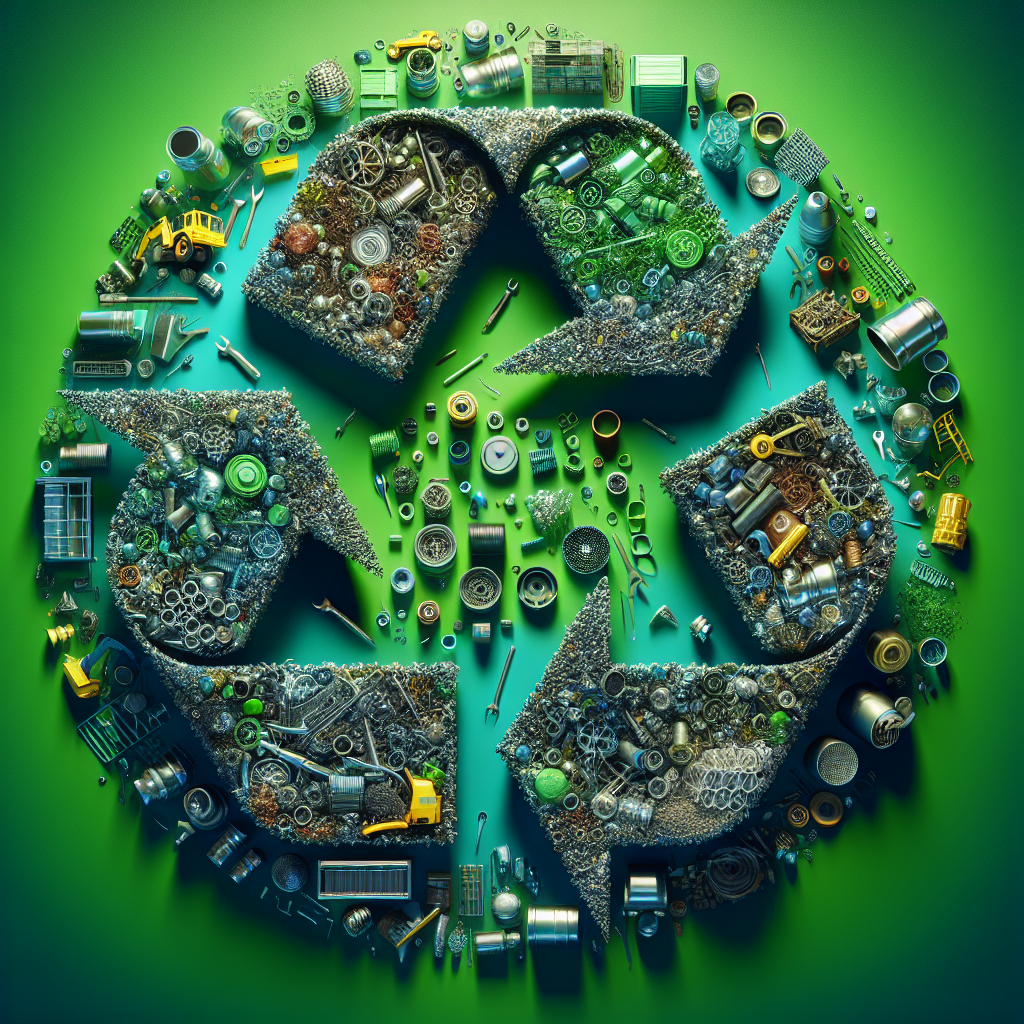
Valorization and Recovery of Metals and Plastics: Closing the Loop with Reverse Manufacturing
Introduction to Valorization and Materials Recovery
The valorization and recovery of metals and plastics are central strategies for industrial sustainability and closing the resource cycle of raw materials. Reverse manufacturing, combined with national regulations, acts in efficient reuse, minimizing environmental impacts as established in the National Solid Waste Policy (Law No. 12,305/2010, articles 3 and 33).
Reverse Manufacturing and Its Relevance in the Production Cycle
Reverse manufacturing consists of the process of collecting, disassembling, and recovering components for reinsertion into the production chain. This model enables the recovery of critical materials, such as non-ferrous metals and specific plastics, optimizing the use of these resources and reducing the extraction of virgin raw materials.
Technical Aspects of Metals Recovery
Recovered metals can provide raw materials for different industrial sectors. Extraction techniques are based on sorting, solid waste processing, and smelting of recovered metals. The National Solid Waste Policy establishes shared responsibility throughout the cycle, from the end user to the industry that uses recycled materials, emphasizing the importance of reverse logistics for effective recovery.
Recovery and Reuse of Plastics
Plastic recovery occurs through processes such as separation by physical properties, mechanical and chemical recycling. Reverse manufacturing allows post-consumer plastics to be transformed into inputs for new products, aligning with the principles of sustainable development and circular economy established by the National Information System on Solid Waste Management (SINIR).
Legislation and Management for Closing the Cycle
According to Law No. 12,305/2010, reverse logistics is mandatory for materials considered hazardous and of high environmental impact, including many derived from reverse manufacturing. Compliance with this legislation requires strategic planning for collection, transportation, and processing—essential tools for effective recovery.
The Importance of Reverse Logistics and Specialized Collection
To ensure efficiency in material recovery, the implementation of specialized collection systems that guarantee the proper destination of industrial and post-consumer waste is fundamental. For matters related to electronic waste collection, consult electronic collection scheduling.
Safe Disposal of Sensitive Devices
The safe disposal of devices containing sensitive data, such as hard drives and media, requires specific care to prevent information breaches. For sanitization and secure elimination procedures, specialized scheduling is recommended and available at electronic hard drive sanitization.
Final Considerations
The valorization and recovery of metals and plastics support the circular economy by reducing the extraction of primary sources and minimizing environmental impacts. Reverse manufacturing, backed by current legislation, is one of the foundations for the effective closure of the resource cycle, promoting efficiency, responsibility, and environmental compliance.

Deixe um comentário
O seu endereço de e-mail não será publicado. Campos obrigatórios são marcados com *