Blog Ecobraz Eigre
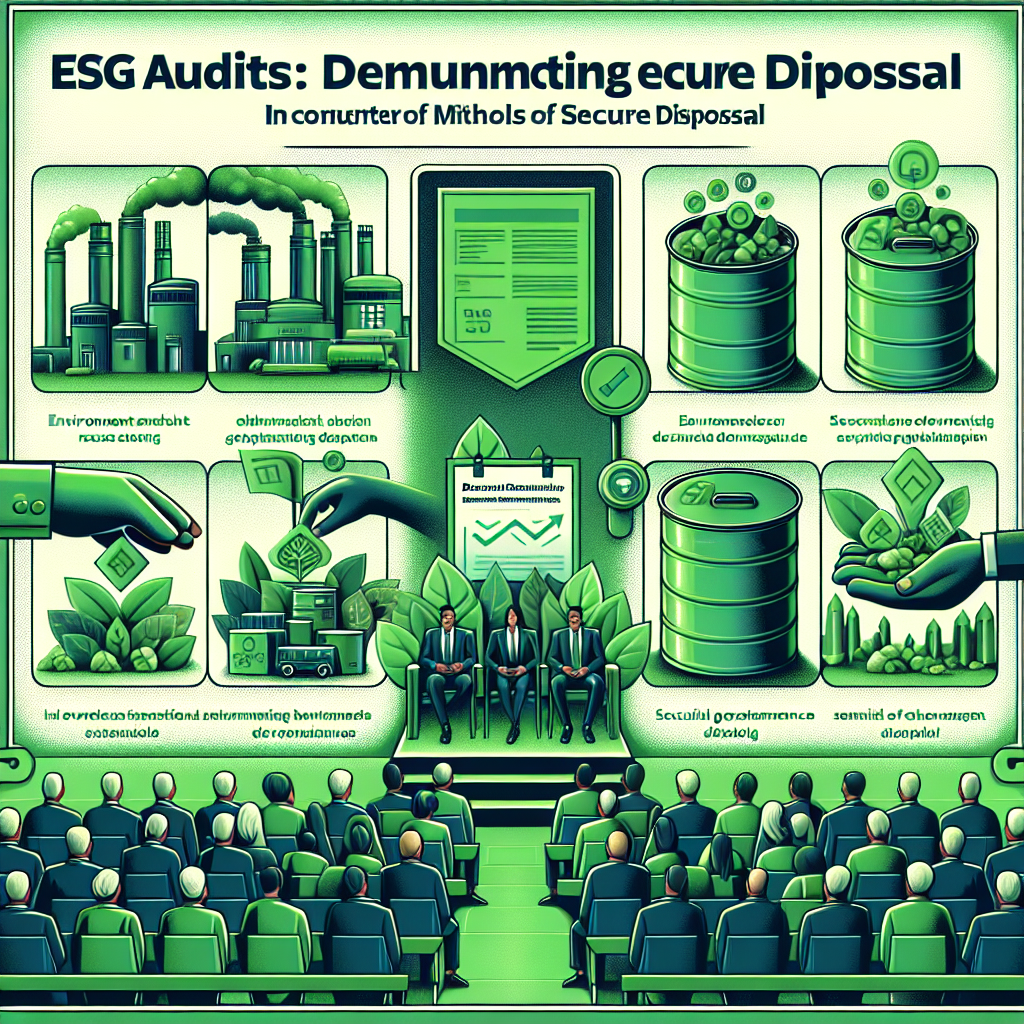
ESG audits: how to provide proof of safe disposal
Understanding ESG audits and the importance of safe disposal
ESG (Environmental, Social and Governance) audits have gained prominence for their relevance in assessing sustainable and responsible practices. One of the fundamental pillars of these audits is the safe disposal of waste, which demonstrates a commitment to environmental preservation and compliance with current regulations. Providing compelling proof of this is essential for obtaining positive results in audits and strengthening your reputation with stakeholders.
Essential documentation to prove safe disposal
To ensure greater transparency, it is necessary to gather official documents that prove that waste is handled correctly. Among the main documents are:
- Invoices for the transport and final disposal of waste;
- Environmentally appropriate disposal certificates issued by authorized companies;
- Periodic waste management reports;
- Updated environmental licenses from the partners responsible for disposal;
- Proof of training for the team responsible for waste management.
Methodologies and technologies for recording disposal
In addition to documentation, the implementation of modern methodologies is crucial to guaranteeing the traceability of disposal. These include:
- Digital tracking systems, which make it possible to follow the path of the waste from generation to final destination;
- Use of QR codes or barcodes to identify batches of waste;
- Photographs and videos as visual evidence of the process;
- Specific software for waste management, enabling automatic reports and real-time updates.
The role of transparency and communication in audits
Maintaining clear and transparent communication during ESG audits is key. This involves not only presenting the documents, but also explaining in detail the processes adopted and being prepared to answer doubts and questions from the audit team. Transparency reinforces credibility and demonstrates a real commitment to sustainability.
Risk factors and how to mitigate them in waste disposal
Identifying risks such as improper disposal, incomplete documentation or unauthorized partners is vital. To mitigate them, we recommend:
- Periodic internal audits to ensure compliance;
- Strictly selecting partners for waste disposal;
- Implementing constant training to update the team;
- Monitoring environmental indicators related to disposal.
Benefits of presenting robust evidence in ESG audits
Effectively demonstrating safe disposal brings advantages such as strengthening the institutional image, reducing legal and environmental risks, as well as helping to obtain certifications and privileges in the market. Detailed and systematic preparation results in smoother audits and positive acknowledgments.
In summary, to present consistent evidence of safe disposal in ESG audits, it is essential to invest in adequate documentation, tracking technologies, transparent communication and proactive risk management. These practices ensure compliance and demonstrate a responsible commitment to sustainability.
ManifestTransparency & Security Manifesto
Evidence and transparency: Our ESG approach is built on traceable documentation, verifiable records and auditable operational criteria. We turn electronic waste management into operational evidence to support governance, traceability and the mitigation of environmental, documentary and corporate risks. Documentary security and compliance: Documented traceability helps reduce regulatory exposure, strengthens documentary defensibility and supports alignment with applicable environmental policies, corporate contracts and governance requirements, including national and international references relevant to supply chains. Operational costing of reverse logistics: Door-to-door collection and responsible processing of electronic waste involve relevant logistics, technical and documentary costs. For this reason, Ecobraz structures transparent operational costing models linked to reverse logistics execution, with no promise of financial return, investment or asset appreciation. Governance: Operational execution is guided by compliance, traceability and verifiable documentation criteria. The priority is to strengthen the client’s corporate evidence, reduce documentary gaps and support safer, more responsible and defensible disposal decisions.

Deixe um comentário
O seu endereço de e-mail não será publicado. Campos obrigatórios são marcados com *