Blog Ecobraz Eigre
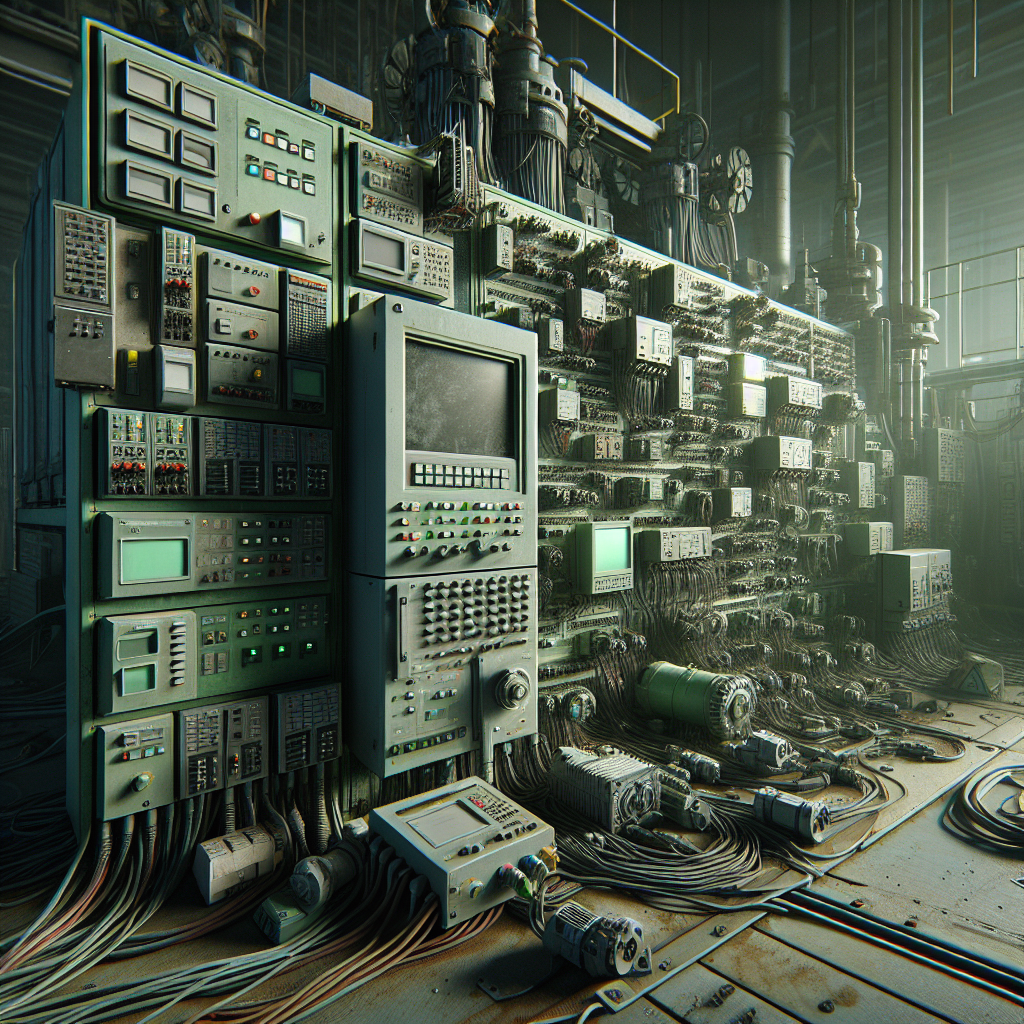
Disused industrial automation: what to do with controllers, panels and motors
Introduction
Industrial automation is essential for optimizing processes and increasing production efficiency. However, with technological advances, many pieces of equipment such as controllers, panels and motors end up becoming obsolete or out of use. In this article, we look at what to do with these devices to avoid waste, minimize environmental impacts and make the most of their components.
Identifying and Evaluating Equipment
The first step is to carry out a detailed analysis of the condition of the equipment. Disused controllers, panels and motors may still contain useful parts or be refurbished. Identify which devices still work, which are repairable and which are completely damaged.
Reuse and Resale
Equipment in good condition or repairable can be reused internally or resold on the second-hand market. This contributes to sustainability by reducing the need to manufacture new devices. In addition, motors and controllers that still operate can be useful for other installations or even educational projects.
Component recycling
When reuse is not possible, recycling should be the next option. Many panels and controllers have electronic components, metals and plastics that can be recycled. It is important to send these materials to specialized centers that dispose of them correctly, avoiding environmental contamination. Industrial motors often contain copper, steel and aluminum, which are highly valued in the recycling process.
Responsible Disposal
Equipment that cannot be reused or recycled should be disposed of responsibly. These devices should not be thrown in the general waste garbage can, as they contain substances that can be toxic to soil and water. Look for collection points or specialized services that follow environmental standards for the disposal of electronic waste.
Benefits of Proper Management
Proper management of disused controllers, panels and motors brings environmental and economic benefits. It reduces the amount of contaminating electronic waste, conserves natural resources and can generate savings through the recovery of parts or recycled materials. In addition, it contributes to socio-environmental responsibility in the industrial sector.
Conclusion
Responsibly managing disused industrial automation controllers, panels and motors is essential for sustainable development. Reuse, recycling and correct disposal are key steps to reducing negative impacts and promoting the circular economy in industry.
ManifestTransparency & Security Manifesto
Evidence and transparency: Our ESG approach is built on traceable documentation, verifiable records and auditable operational criteria. We turn electronic waste management into operational evidence to support governance, traceability and the mitigation of environmental, documentary and corporate risks. Documentary security and compliance: Documented traceability helps reduce regulatory exposure, strengthens documentary defensibility and supports alignment with applicable environmental policies, corporate contracts and governance requirements, including national and international references relevant to supply chains. Operational costing of reverse logistics: Door-to-door collection and responsible processing of electronic waste involve relevant logistics, technical and documentary costs. For this reason, Ecobraz structures transparent operational costing models linked to reverse logistics execution, with no promise of financial return, investment or asset appreciation. Governance: Operational execution is guided by compliance, traceability and verifiable documentation criteria. The priority is to strengthen the client’s corporate evidence, reduce documentary gaps and support safer, more responsible and defensible disposal decisions.

Deixe um comentário
O seu endereço de e-mail não será publicado. Campos obrigatórios são marcados com *