Blog Ecobraz Eigre
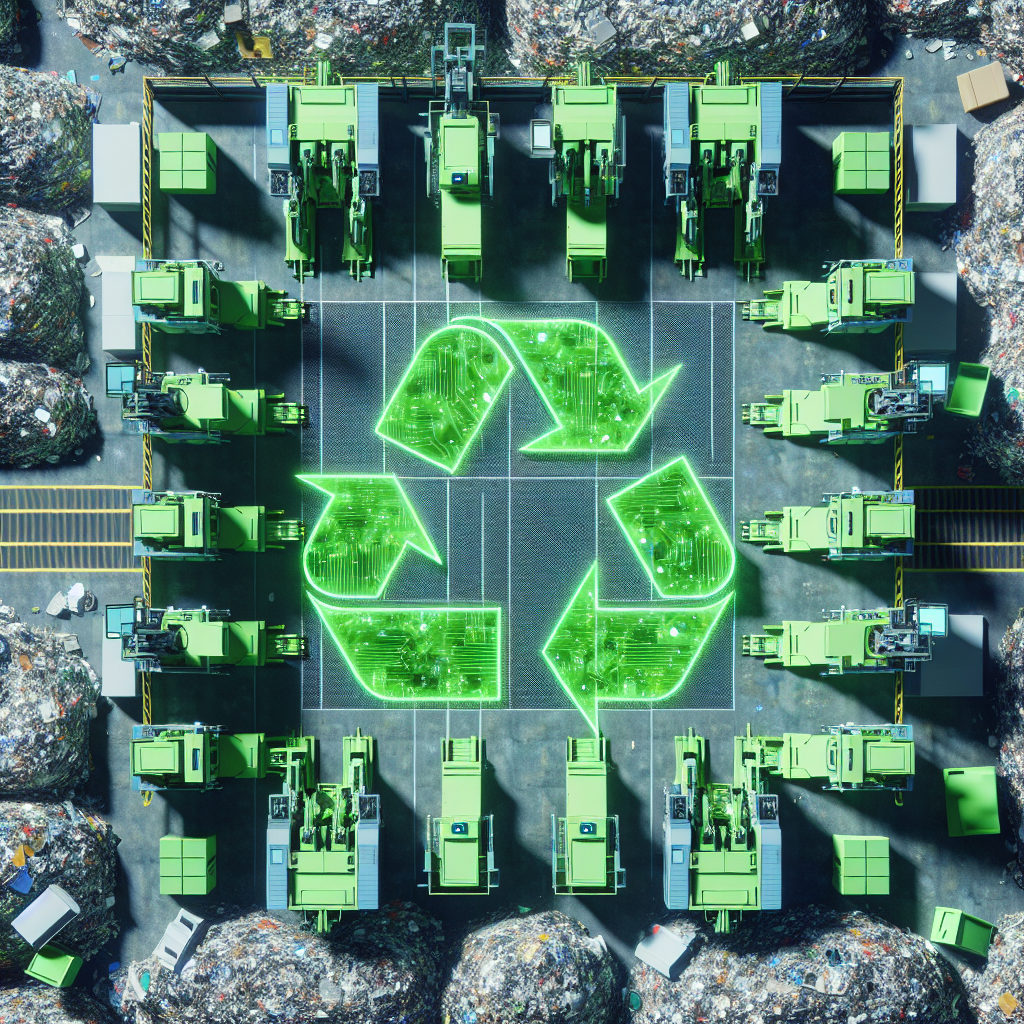
Green automation: AI at the heart of electronics recycling plants
Green automation is revolutionizing the electronics recycling process, placing artificial intelligence (AI) at the heart of the plants. Through advanced technologies, AI optimizes the sorting, separation and reuse of electronic components, promoting efficiency and sustainability in the reuse of e-waste.
The role of artificial intelligence in e-recycling
Artificial intelligence enables the precise identification of materials present in e-waste, such as precious metals, plastics and hazardous components. With sensors and machine learning algorithms, plants are able to automatically classify discarded devices, increasing the speed and effectiveness of the process.
Benefits of green automation in recycling plants
In addition to speeding up sorting, green automation avoids human error and reduces the health risks for workers when dealing with toxic substances found in electronics. AI also facilitates the recovery of valuable materials, reducing the need for mining and contributing to environmental preservation.
How AI improves the sustainability of processes
The precision provided by AI results in cleaner and more conscious recycling, reducing waste and the volume of waste sent to landfills. Green automation also allows for constant monitoring of plant performance, promoting real-time adjustments to minimize environmental impacts and maximize the reuse of resources.
Challenges and future prospects
While advances are promising, implementing artificial intelligence in plants faces challenges such as the high initial cost and the need for appropriate technological infrastructure. However, the growth of smart solutions indicates a promising future for automated electronics recycling, with the potential to transform waste management and foster a more efficient circular economy.
Conclusion
Green automation, driven by artificial intelligence, is at the heart of the electronics recycling plant revolution. Its benefits range from greater operational efficiency to a reduction in environmental impacts, making it a key player in advancing sustainability and the circular economy in the e-waste sector.
ManifestTransparency & Security Manifesto
Evidence and transparency: Our ESG approach is built on traceable documentation, verifiable records and auditable operational criteria. We turn electronic waste management into operational evidence to support governance, traceability and the mitigation of environmental, documentary and corporate risks. Documentary security and compliance: Documented traceability helps reduce regulatory exposure, strengthens documentary defensibility and supports alignment with applicable environmental policies, corporate contracts and governance requirements, including national and international references relevant to supply chains. Operational costing of reverse logistics: Door-to-door collection and responsible processing of electronic waste involve relevant logistics, technical and documentary costs. For this reason, Ecobraz structures transparent operational costing models linked to reverse logistics execution, with no promise of financial return, investment or asset appreciation. Governance: Operational execution is guided by compliance, traceability and verifiable documentation criteria. The priority is to strengthen the client’s corporate evidence, reduce documentary gaps and support safer, more responsible and defensible disposal decisions.

Deixe um comentário
O seu endereço de e-mail não será publicado. Campos obrigatórios são marcados com *