Blog Ecobraz Eigre
How Artificial Intelligence Optimizes the Reverse Logistics of Corporate Electronic Waste
Introduction to Reverse Logistics of Electronic Waste
Efficient management of reverse logistics for electronic waste requires advanced technological solutions capable of meeting stringent environmental and regulatory requirements. Artificial intelligence (AI) emerges as a crucial tool to enhance collection, sorting, and proper disposal processes, aligning with the provisions of the National Solid Waste Policy (Law No. 12,305/2010) and the requirements of the National Solid Waste Management Information System (SINIR).
Applications of Artificial Intelligence in Reverse Logistics
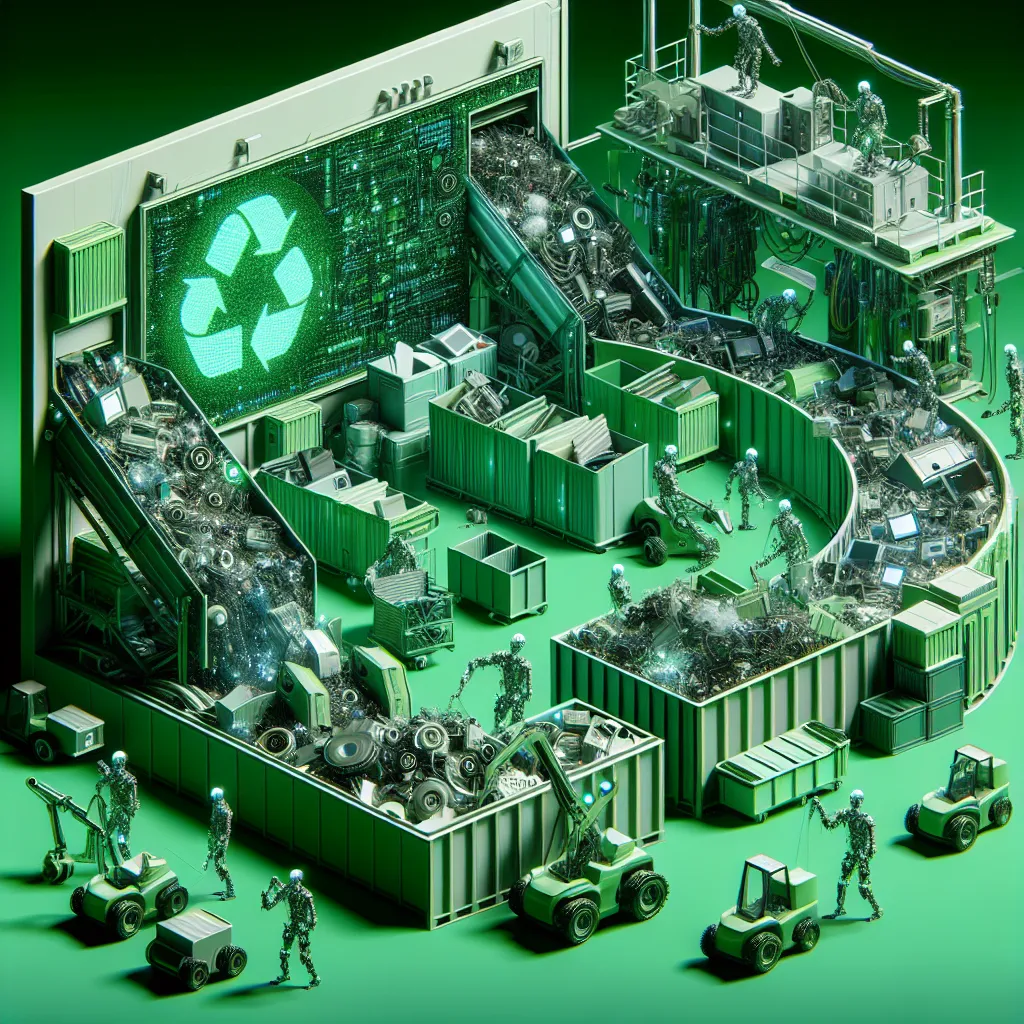
AI optimizes reverse logistics through process automation and predictive analysis. Intelligent systems can identify and classify electronic waste, detecting reusable components and hazardous materials, reducing the need for manual intervention and minimizing environmental and legal risks. Furthermore, AI-based platforms improve the planning of collection routes, optimizing time and operational costs, according to the guidelines of the electronic waste collection scheduling.
Security in Disposal and Data Sanitization
Another fundamental aspect is information security in the final disposal of devices that store sensitive data. AI combines with advanced techniques to ensure secure sanitization of hard drives and media, promoting controlled dismantling and destruction to prevent information leakage and comply with specific legal standards, including the guidelines of the General Data Protection Law (LGPD - Law No. 13,709/2018).
Compliance and Environmental Monitoring
AI tools also assist in monitoring and generating reports to ensure compliance with current environmental legislation, such as the National Solid Waste Policy. The integrated APIs system allows transparency in tracking waste flows, ensuring that all processes are properly documented and auditable, following the specifications found in SINIR and MTR-SINIR.
Impacts on Corporate Sustainability
By adopting artificial intelligence for the reverse logistics of electronic waste, organizations reduce waste generation and improve reuse and recycling, contributing to sustainable development goals. Operational efficiency increases, lowering costs and environmental impacts, reinforcing alignment with sustainable policies and socio-environmental responsibility.
ManifestTransparency & Security Manifesto
Evidence and transparency: Our ESG approach is built on traceable documentation, verifiable records and auditable operational criteria. We turn electronic waste management into operational evidence to support governance, traceability and the mitigation of environmental, documentary and corporate risks. Documentary security and compliance: Documented traceability helps reduce regulatory exposure, strengthens documentary defensibility and supports alignment with applicable environmental policies, corporate contracts and governance requirements, including national and international references relevant to supply chains. Operational costing of reverse logistics: Door-to-door collection and responsible processing of electronic waste involve relevant logistics, technical and documentary costs. For this reason, Ecobraz structures transparent operational costing models linked to reverse logistics execution, with no promise of financial return, investment or asset appreciation. Governance: Operational execution is guided by compliance, traceability and verifiable documentation criteria. The priority is to strengthen the client’s corporate evidence, reduce documentary gaps and support safer, more responsible and defensible disposal decisions.

Deixe um comentário
O seu endereço de e-mail não será publicado. Campos obrigatórios são marcados com *