Blog Ecobraz Eigre
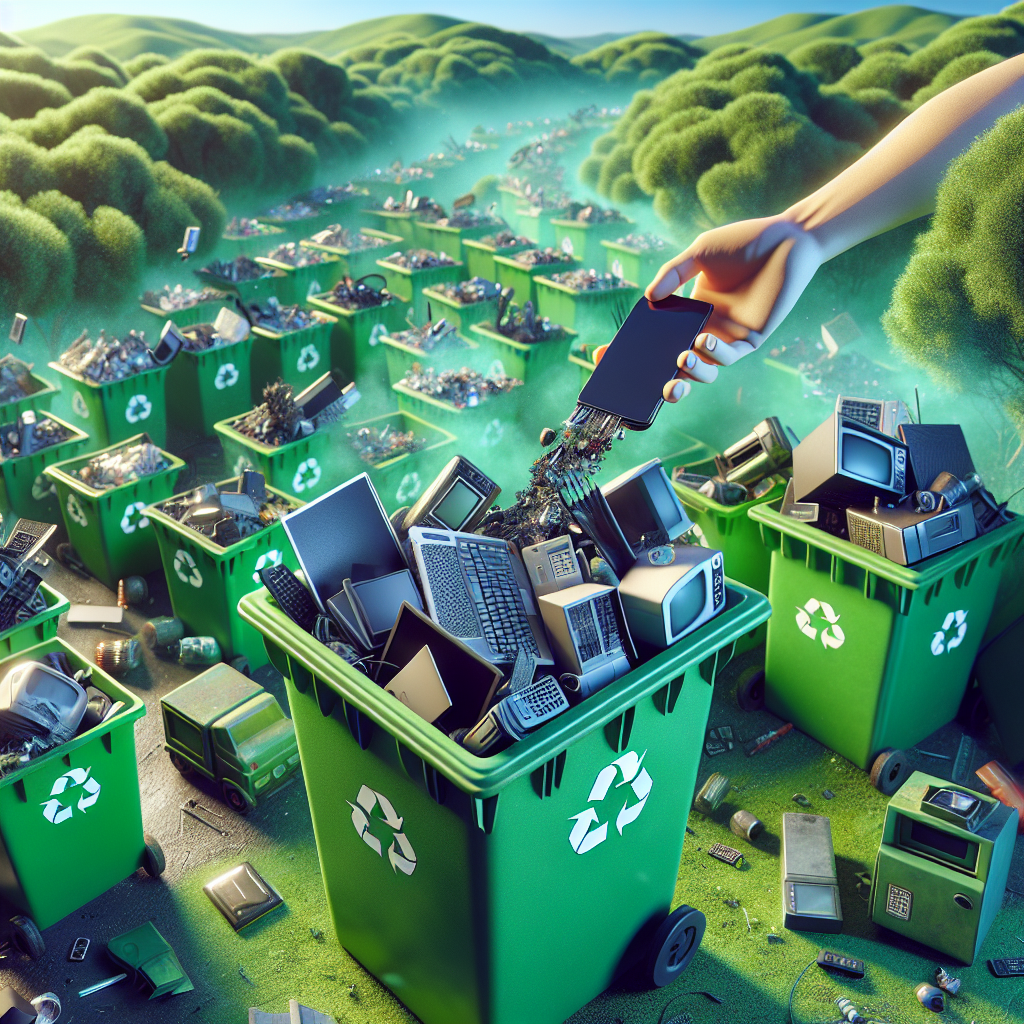
How to dispose of electronic waste correctly and avoid damaging the environment?
Introduction
Electronic waste is one of the fastest growing types of waste in the world, due to the rapid advance of technology and the constant replacement of electronic devices. Disposing of this type of waste improperly can cause serious damage to the environment and human health. That's why it's essential to understand how to dispose of it correctly, contributing to sustainability and the preservation of the planet.
What is electronic waste?
Electronic waste, also known as e-waste, is electronic devices that have been discarded, such as cell phones, computers, printers, batteries, televisions and other electronic equipment that is no longer used or is damaged.
Why is it important to dispose of e-waste correctly?
The incorrect disposal of e-waste can release toxic substances such as lead, mercury, cadmium and flame retardants into the soil and water, contaminating the environment and harming people's health. In addition, many components of this equipment can be recycled, reducing the need to extract raw materials and produce new devices.
How to dispose of electronic waste correctly?
1. Look for specialized collection points
There are specific places to dispose of electronic waste, such as collection points in supermarkets, recycling centers and campaigns promoted by environmental agencies. These points guarantee that the material will be sent for proper recycling.
2. Reuse or donate your equipment
Before disposing of it, assess whether the device can be reused by you or by other people. Often, used equipment is still in good condition and can be donated to schools, NGOs or people in need.
3. Never dispose of electronic devices in household waste
They are not biodegradable and can release toxic substances.
4. Seek authorized technical assistance
Some manufacturers have return programs, where they accept old appliances and guarantee environmentally correct treatment of the waste.
Benefits of disposing of electronic waste correctly
By disposing of it properly, you help to:
- Reduce soil and water contamination;
- Conserve natural resources by recovering reusable materials;
- Decrease the amount of waste in landfills;
- Contribute to the circular economy and sustainable development.
Conclusion
Disposing of electronic waste correctly is an act of environmental responsibility. As well as protecting the environment, it avoids risks to human health and promotes the reuse of materials. Therefore, never dispose of your electronic devices in the common garbage and always look for authorized collection and recycling points.
ManifestTransparency & Security Manifesto
Evidence and transparency: Our ESG approach is built on traceable documentation, verifiable records and auditable operational criteria. We turn electronic waste management into operational evidence to support governance, traceability and the mitigation of environmental, documentary and corporate risks. Documentary security and compliance: Documented traceability helps reduce regulatory exposure, strengthens documentary defensibility and supports alignment with applicable environmental policies, corporate contracts and governance requirements, including national and international references relevant to supply chains. Operational costing of reverse logistics: Door-to-door collection and responsible processing of electronic waste involve relevant logistics, technical and documentary costs. For this reason, Ecobraz structures transparent operational costing models linked to reverse logistics execution, with no promise of financial return, investment or asset appreciation. Governance: Operational execution is guided by compliance, traceability and verifiable documentation criteria. The priority is to strengthen the client’s corporate evidence, reduce documentary gaps and support safer, more responsible and defensible disposal decisions.

Deixe um comentário
O seu endereço de e-mail não será publicado. Campos obrigatórios são marcados com *