Blog Ecobraz Eigre
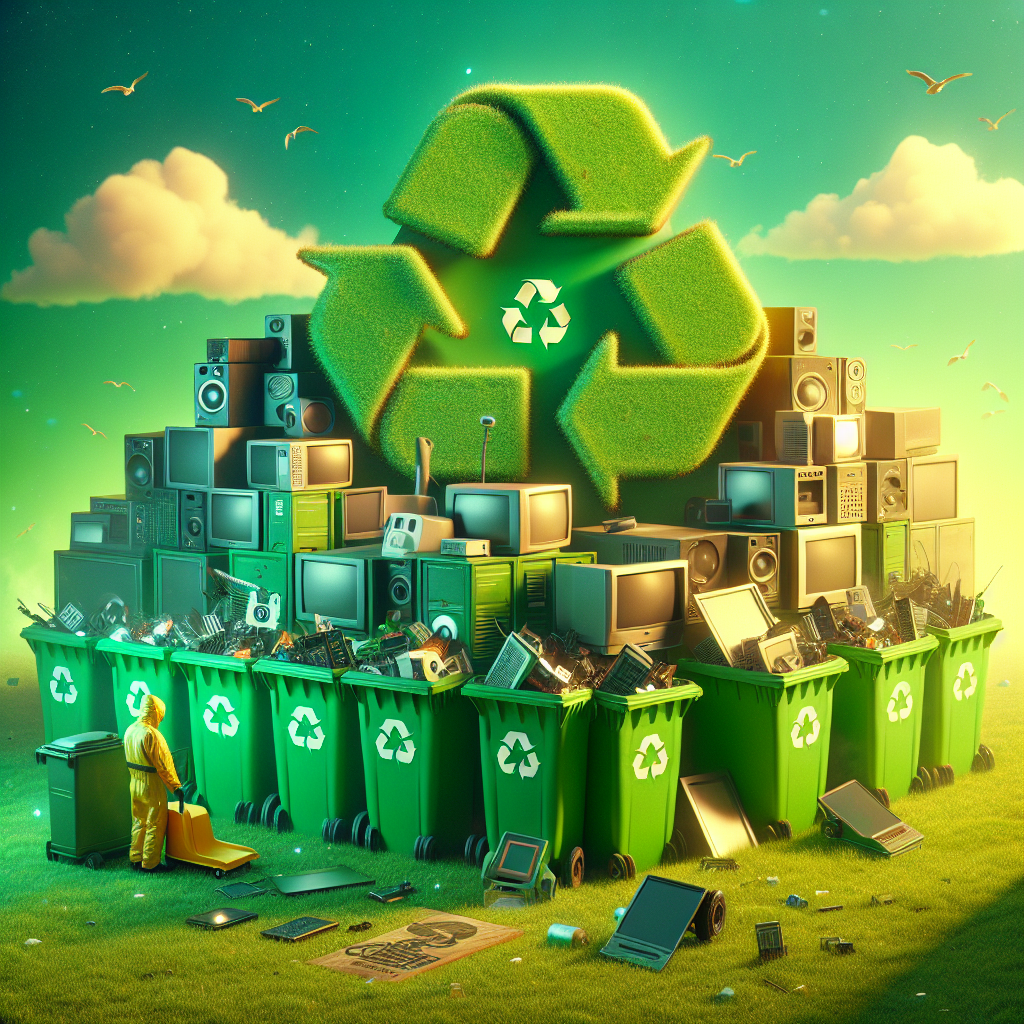
How to dispose of and recycle electronic waste correctly: complete guide
What is electronic waste?
Electronic waste refers to discarded electronic equipment that is no longer useful or is obsolete, such as cell phones, computers, batteries, stereos, among others.
Why is it important to dispose of it correctly?
Inappropriate disposal can release toxic substances into the environment, contaminating soil and water, as well as causing harm to human health.
How to prepare e-waste for disposal
- Backup and deletion of data: Before disposing of it, back up your data and delete personal information.
- Sort devices by type: Organize according to type and material to facilitate recycling.
- Remove batteries: Extract batteries for separate disposal, as they require special treatment.
Where to dispose of e-waste correctly
Search for authorized collection points, such as recycling stations in community centers, collection points in specialized stores or actions promoted by environmental agencies.
The e-waste recycling process
The material collected is separated, dismantled and some components are reused, while toxic waste is treated in accordance with environmental standards.
Tips for reducing the generation of e-waste
- Opt for durable, upgradeable equipment.
- Perform preventive maintenance to extend its useful life.
- Donate or reuse working devices, avoiding early disposal.
Legislation related to e-waste disposal
In Brazil, the National Solid Waste Policy establishes guidelines for proper management, making manufacturers and consumers responsible for the product cycle.
Conclusion
Disposing of and recycling e-waste correctly is essential to protect the environment and public health. Being informed and acting consciously is part of everyone's responsibility.

Deixe um comentário
O seu endereço de e-mail não será publicado. Campos obrigatórios são marcados com *