Blog Ecobraz Eigre
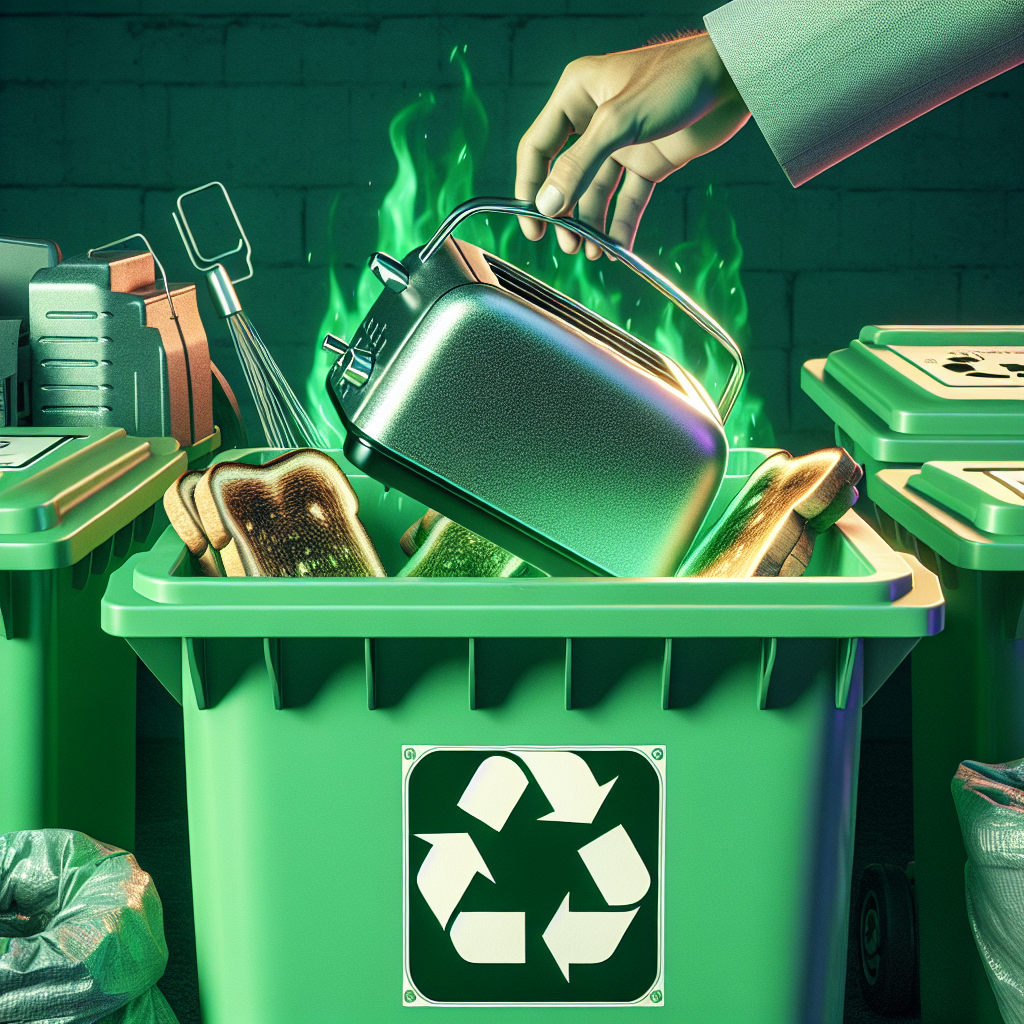
How to Dispose of Household Appliances Safely and Sustainably?
Introduction to the disposal of household appliances
The disposal of household appliances requires specific care to minimize environmental impacts and ensure legal compliance. Electronic equipment contains substances that, if disposed of improperly, can cause soil and water contamination, as well as risks to public health.
Legal basis and responsibilities
The National Solid Waste Policy (Law No. 12.305/2010) establishes guidelines for the proper management of waste, including household appliances. It determines shared responsibility between generators, distributors and public authorities, with a view to reuse, recycling and environmentally appropriate disposal.
According to the National Solid Waste Management Information System (sinir.gov.br), electronic waste must be sent to duly licensed treatment and recycling units.
Procedures for safe disposal
Before disposal, removing data from storage devices is essential. For this, it is recommended to use professional hard drive sanitization processes, guaranteeing the protection of personal and corporate information: scheduling electronic hard drive sanitization.
Packaging should avoid leaks and damage that could pose environmental risks. Parts with hazardous components, such as electronic circuits with heavy metals, require specialized handling.
Environmentally appropriate disposal
Routing to specific collection points is essential. The collection service for electronic waste is carried out at specific points and at scheduled times to ensure efficient logistics and strict environmental control. To schedule the correct disposal, use the electronic waste collection service.
Environmental impacts of incorrect disposal
Disposing of household appliances improperly can lead to the release of toxic substances such as mercury, lead, cadmium and flame retardants, jeopardizing ecosystems and public health, as warned by CETESB (cetesb.sp.gov.br).
Final recommendations
Following the rules in force and using regulated services ensures sustainability when disposing of household appliances. In addition, disposing of equipment correctly contributes to the circular economy, reducing the exploitation of natural resources and promoting the reuse of materials.
It is essential that the disposal of household appliances is preceded by planning, involving a quantitative survey, the selection of authorized collection points and adequate transport, mitigating environmental and legal risks.
ManifestTransparency & Security Manifesto
Evidence and transparency: Our ESG approach is built on traceable documentation, verifiable records and auditable operational criteria. We turn electronic waste management into operational evidence to support governance, traceability and the mitigation of environmental, documentary and corporate risks. Documentary security and compliance: Documented traceability helps reduce regulatory exposure, strengthens documentary defensibility and supports alignment with applicable environmental policies, corporate contracts and governance requirements, including national and international references relevant to supply chains. Operational costing of reverse logistics: Door-to-door collection and responsible processing of electronic waste involve relevant logistics, technical and documentary costs. For this reason, Ecobraz structures transparent operational costing models linked to reverse logistics execution, with no promise of financial return, investment or asset appreciation. Governance: Operational execution is guided by compliance, traceability and verifiable documentation criteria. The priority is to strengthen the client’s corporate evidence, reduce documentary gaps and support safer, more responsible and defensible disposal decisions.

Deixe um comentário
O seu endereço de e-mail não será publicado. Campos obrigatórios são marcados com *