Blog Ecobraz Eigre
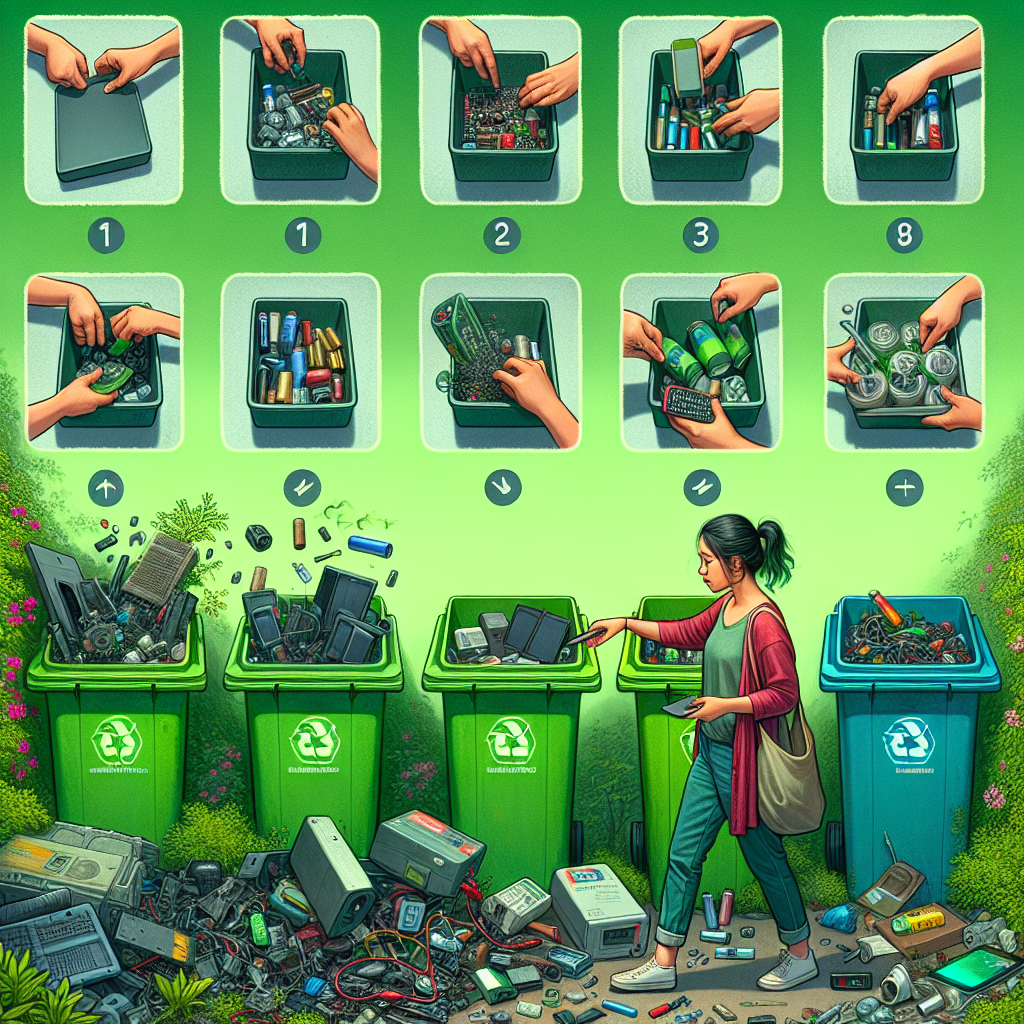
How to dispose of electronic waste correctly and contribute to the environment
The correct disposal of electronic waste is essential for environmental preservation and public health. Following the regulations of the National Solid Waste Policy (Law No. 12.305/2010) guarantees responsible management of this waste, which has toxic components and reusable materials. This article details steps and precautions for safe disposal, including the proper use of specialized collection scheduling electronics and the safe sanitization of storage devices scheduling electronics.
Legislation and environmental responsibility
The National Solid Waste Policy (PNRS), established by Law No. 12.305/2010 (http://www.planalto.gov.br/ccivil_03/_ato2007-2010/2010/lei/l12305.htm), establishes guidelines for the proper management of electronic waste. The aim is to minimize the impacts caused by hazardous substances present in this equipment, such as heavy metals and flame retardants.
Proper disposal has a direct impact on reducing soil, water and air contamination, promoting a circular economy by reusing materials.
The correct process for disposing of electronic equipment
Safe disposal must follow standardized steps:
1. Identification: Classify equipment that is no longer useful.
2. Specialized collection: Use collection services that meet technical and environmental standards, available for booking at electronics booking.
3. Safe transport: Ensure that waste is transferred using vehicles that avoid damage and leaks.
4. Treatment and recycling: Send for certified recycling, making it possible to recover materials such as ferrous and non-ferrous metals.
5. Final disposal: Non-recyclable or hazardous waste must be properly disposed of in accordance with the PNRS and CETESB regulations (https://cetesb.sp.gov.br/).
Safe disposal of storage devices
Devices such as hard drives and digital media contain sensitive information that requires specialized treatment to prevent data leaks. The safe sanitization of this equipment can be carried out by specific services, as scheduled at electronics scheduling.
In addition to physical destruction, techniques such as degaussing and overwriting are recommended to ensure the effective disposal of information.
Importance of awareness and engagement
The proper management of electronic waste depends on the awareness of those responsible for disposal. Adopting practices in line with current legislation and seeking specialized services is fundamental to guaranteeing environmental sustainability and information security.
Official references
- Law No. 12.305/2010 - National Solid Waste Policy: planalto.gov.br
- CETESB - Waste management: cetesb.sp.gov.br
- National Solid Waste Management Information System - SINIR: sinir.gov.br
ManifestTransparency & Security Manifesto
Evidence and transparency: Our ESG approach is built on traceable documentation, verifiable records and auditable operational criteria. We turn electronic waste management into operational evidence to support governance, traceability and the mitigation of environmental, documentary and corporate risks. Documentary security and compliance: Documented traceability helps reduce regulatory exposure, strengthens documentary defensibility and supports alignment with applicable environmental policies, corporate contracts and governance requirements, including national and international references relevant to supply chains. Operational costing of reverse logistics: Door-to-door collection and responsible processing of electronic waste involve relevant logistics, technical and documentary costs. For this reason, Ecobraz structures transparent operational costing models linked to reverse logistics execution, with no promise of financial return, investment or asset appreciation. Governance: Operational execution is guided by compliance, traceability and verifiable documentation criteria. The priority is to strengthen the client’s corporate evidence, reduce documentary gaps and support safer, more responsible and defensible disposal decisions.

Deixe um comentário
O seu endereço de e-mail não será publicado. Campos obrigatórios são marcados com *