Blog Ecobraz Eigre
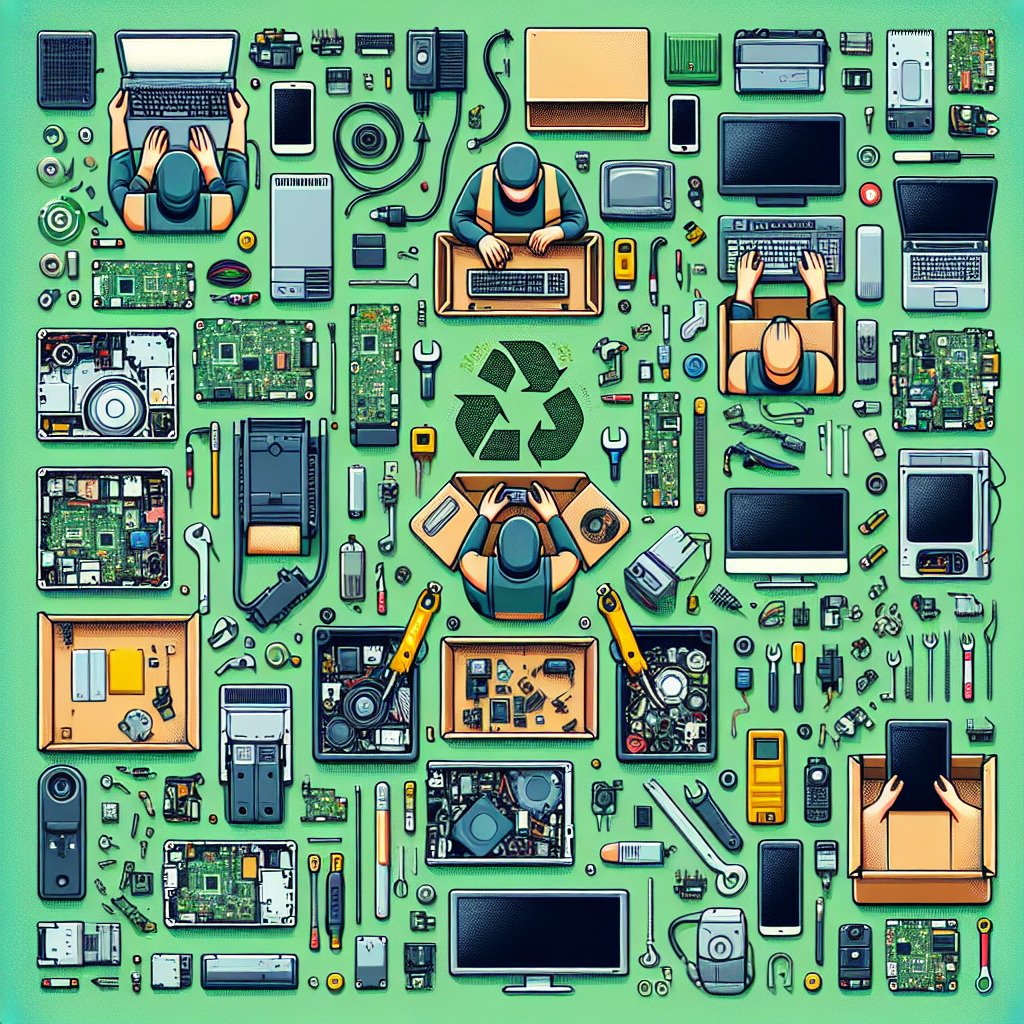
How to dismantle and prepare electronic equipment for recycling
Introduction to dismantling electronic equipment
The process of dismantling and preparing electronic equipment for recycling is essential for the proper management of electronic waste, as established by the National Solid Waste Policy (Law No. 12.305/2010 - planalto.gov.br). This procedure allows valuable materials to be recovered and reduces the environmental impact of incorrect disposal.
Equipment and materials needed for disassembly
To begin disassembly, it is essential to use appropriate tools such as screwdrivers, tweezers, pliers and antistatic devices to prevent damage to components and protect the operator. The use of personal protective equipment (PPE), such as gloves and goggles, is recommended to ensure safety during handling.
Procedures for dismantling electronic equipment
Before starting dismantling, make sure that the equipment is completely disconnected from the power source and that batteries, if present, have been safely removed.
1. Carefully remove the outer casing using the appropriate tools.
2. Separate the internal components, such as printed circuit boards (PCBs), cables, connectors, etc.
3. Identify reusable components and those that should be sent for specialized recycling.
Identification and segregation of materials
After disassembly, categorize the materials according to their nature: ferrous metals, non-ferrous metals (such as copper and aluminium), plastics, glass and electronic components with toxic substances, such as batteries and capacitors.
Correct segregation complies with the rules of the National Solid Waste Policy and contributes to the efficiency of the recycling process.
Special care when disposing of media and hard drives
Storage equipment, such as hard disks and other media, require specific procedures to ensure information security and environmentally appropriate disposal.
It is recommended that devices be physically or electronically sanitized before disposal, according to the technical guidelines available at eletronicos agendamento.
Availability for collection and final disposal
After correct disassembly and segregation, the materials must be sent to authorized treatment and recycling units. Scheduling specialized collection is essential and can be done through the eletronicos agendamento platform, which ensures environmentally appropriate disposal.
Conclusion
The technical process of dismantling and preparing electronic equipment is essential for complying with current legislation, mitigating environmental impacts and promoting the circular economy. Adopting these practices contributes to the responsible management of electronic waste in accordance with official regulations (/sinir.gov.br).
ManifestTransparency & Security Manifesto
Evidence and transparency: Our ESG approach is built on traceable documentation, verifiable records and auditable operational criteria. We turn electronic waste management into operational evidence to support governance, traceability and the mitigation of environmental, documentary and corporate risks. Documentary security and compliance: Documented traceability helps reduce regulatory exposure, strengthens documentary defensibility and supports alignment with applicable environmental policies, corporate contracts and governance requirements, including national and international references relevant to supply chains. Operational costing of reverse logistics: Door-to-door collection and responsible processing of electronic waste involve relevant logistics, technical and documentary costs. For this reason, Ecobraz structures transparent operational costing models linked to reverse logistics execution, with no promise of financial return, investment or asset appreciation. Governance: Operational execution is guided by compliance, traceability and verifiable documentation criteria. The priority is to strengthen the client’s corporate evidence, reduce documentary gaps and support safer, more responsible and defensible disposal decisions.

Deixe um comentário
O seu endereço de e-mail não será publicado. Campos obrigatórios são marcados com *