Blog Ecobraz Eigre
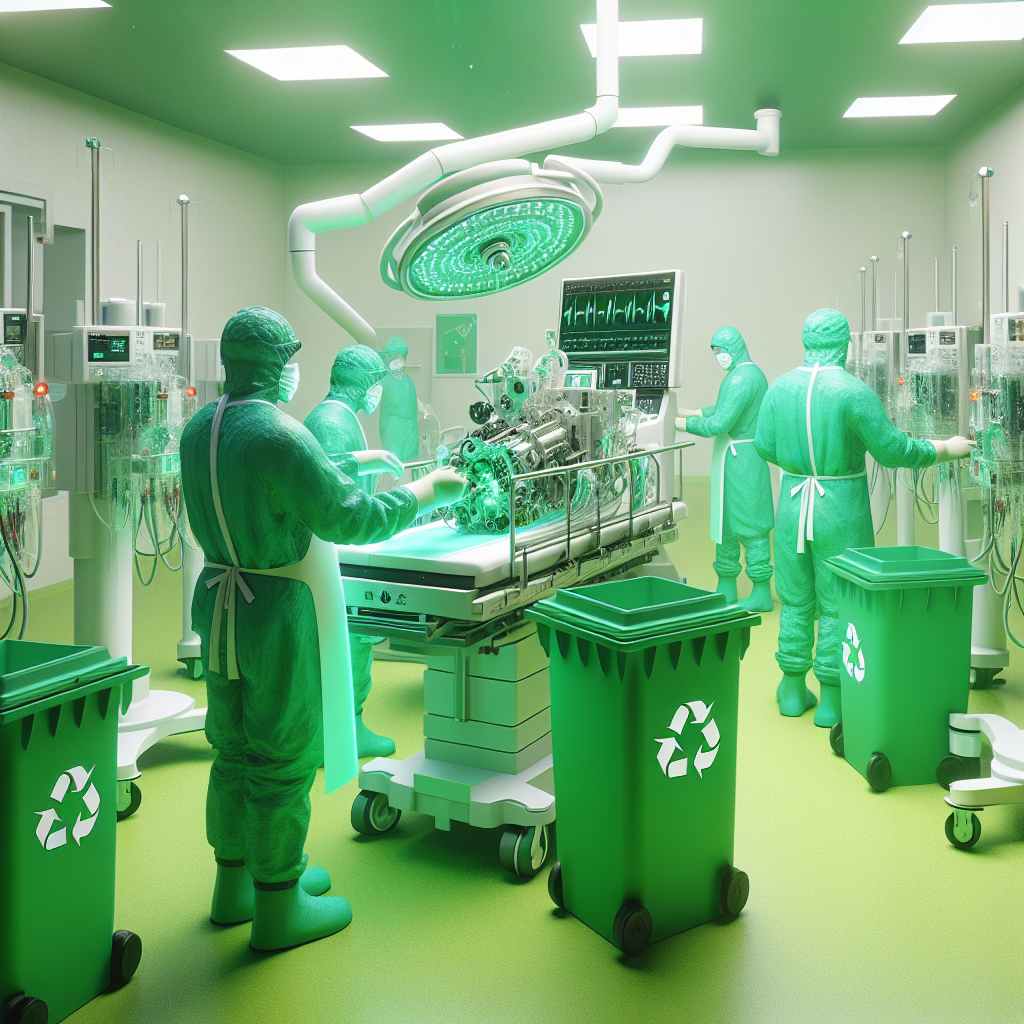
How to Dispose of Hospital Machinery Correctly
Introduction to the Disposal of Hospital Machinery
The correct disposal of hospital machinery is essential to ensure environmental, legal and public health safety. This equipment contains electronic components and materials that, if disposed of improperly, can cause contamination and biological risks.
Legislation Applicable to Disposal
The management of medical equipment waste is regulated by federal standards, especially Law No. 12.305/2010, which establishes the National Solid Waste Policy (PNRS). This law imposes shared responsibility for the management and environmentally appropriate final disposal of hazardous and non-hazardous waste.
In addition, the National Solid Waste Policy and National Solid Waste Management Information System (SINIR) structures mechanisms for control and transparency in management.
Classification and Types of Waste from Hospital Machinery
Hospital equipment can generate waste classified as hazardous, given the presence of materials contaminated by biological agents, chemical substances and electronic components. Correct handling depends on the type and degree of contamination, following ANVISA regulations.
Technical Procedures for Disposal
1. Decontamination: Before disposal, it is essential to sanitize the equipment to eliminate pathogens, respecting protocols detailed by health agencies.
2. Safe Disassembly: Separate electronic components, plastics and metals for appropriate treatment, enabling recycling and avoiding raw disposal.
3. Disposal Route: Send the waste to units licensed to handle hospital and electronic waste, in accordance with official environmental and health criteria.
Environmentally Appropriate Collection and Disposal
For the efficient collection of electronic waste, it is recommended to hire specialized services with prior scheduling that guarantee traceability and compliance, as detailed in electronic waste collection.
Equipment containing data storage units, such as hard drives, must undergo a rigorous destruction or sanitization process to ensure the protection of sensitive information. Secure scheduling services are available at hard drive disposal.
Managers' Responsibilities
Those responsible for hospital waste management must ensure legal compliance, protect worker health and minimize environmental impacts. Adequate training and constant auditing of disposal processes are necessary.
Conclusion
The correct disposal of hospital machinery requires attention to legal, health and environmental requirements. Standardized processes and partnerships with authorized collectors guarantee a sustainable and safe cycle, in compliance with Brazilian legislation.

Deixe um comentário
O seu endereço de e-mail não será publicado. Campos obrigatórios são marcados com *