Blog Ecobraz Eigre
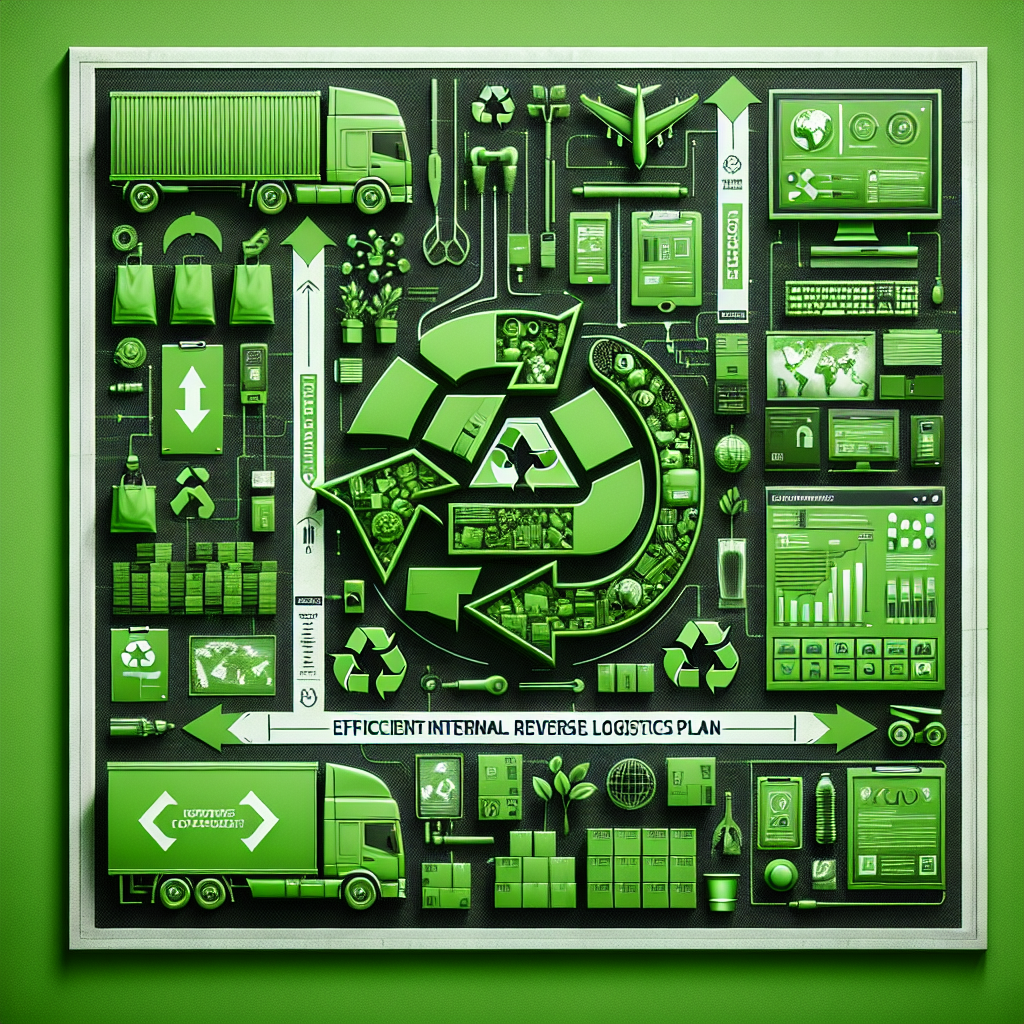
How to set up an efficient internal reverse logistics plan?
Understanding reverse logistics
Reverse logistics is the process that involves returning products, raw materials or waste to the production cycle, promoting sustainability and savings. In order to put together an efficient internal plan, it is essential to understand this concept and the benefits it brings, such as reducing costs and complying with environmental legislation.
Mapping internal processes
Start the plan with a detailed mapping of internal flows related to reverse logistics, identifying waste generation points, the types of materials involved and the sectors responsible. This survey makes it possible to organize practical steps for collecting, storing and properly forwarding returns.
Clear definition of responsibilities
Clearly establish the responsibilities of each area or team involved in reverse logistics. From those who do the internal collection to those who monitor the final destination, a transparent definition avoids operational failures and confusion.
Team training and awareness
Investing in employee training is essential to ensure that everyone understands the importance and procedures of the plan. Announcements, training and workshops help to align practices and make the process more efficient.
Choosing partners and suitable destinations
Select reliable partners for the treatment or correct disposal of returned materials, prioritizing those that follow environmental standards and have certifications. When possible, reintroduce materials into the production cycle, promoting a circular economy.
Continuous monitoring and evaluation
Implement monitoring mechanisms to evaluate key indicators, such as the volume of materials returned, the costs involved and compliance with deadlines. Analysis of the results enables constant adjustments to optimize the plan.
Documentation and legal compliance
Keep all documentation organized, including records of the collection, transport and final destination of materials. This ensures compliance with current legislation and facilitates audits and inspections.
Innovation and sustainability as a differentiator
Incorporate innovative and sustainable practices into the plan, such as the use of technology for tracking, creative reuse of materials and transparent communication with stakeholders. These actions add value and reinforce environmental commitment.
By following these steps, it is possible to create an efficient internal reverse logistics plan that contributes to sustainability, optimizes resources and is in line with legal requirements.
ManifestTransparency & Security Manifesto
Evidence and transparency: Our ESG approach is built on traceable documentation, verifiable records and auditable operational criteria. We turn electronic waste management into operational evidence to support governance, traceability and the mitigation of environmental, documentary and corporate risks. Documentary security and compliance: Documented traceability helps reduce regulatory exposure, strengthens documentary defensibility and supports alignment with applicable environmental policies, corporate contracts and governance requirements, including national and international references relevant to supply chains. Operational costing of reverse logistics: Door-to-door collection and responsible processing of electronic waste involve relevant logistics, technical and documentary costs. For this reason, Ecobraz structures transparent operational costing models linked to reverse logistics execution, with no promise of financial return, investment or asset appreciation. Governance: Operational execution is guided by compliance, traceability and verifiable documentation criteria. The priority is to strengthen the client’s corporate evidence, reduce documentary gaps and support safer, more responsible and defensible disposal decisions.

Deixe um comentário
O seu endereço de e-mail não será publicado. Campos obrigatórios são marcados com *