Blog Ecobraz Eigre
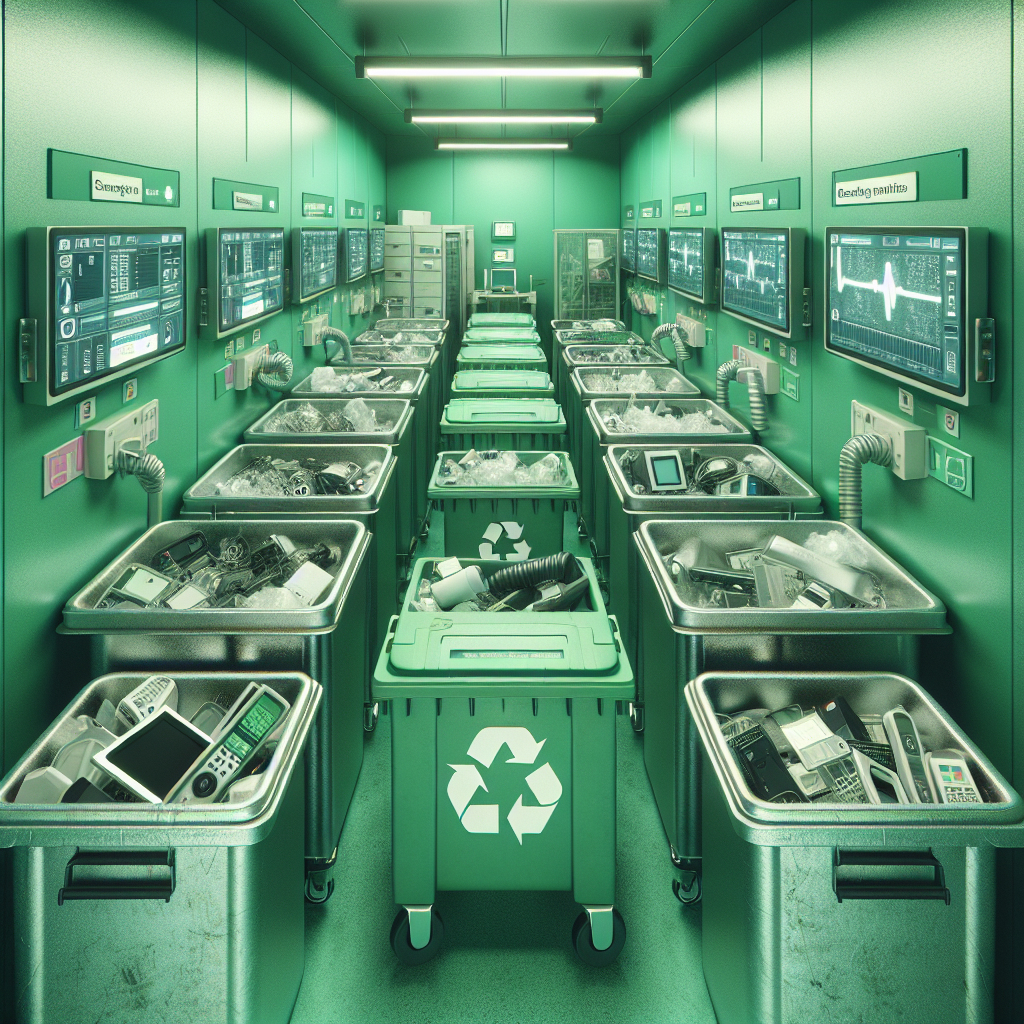
How the hospital sector should dispose of medical and electronic equipment
Introduction
The proper disposal of medical-electronic equipment in the hospital sector is essential to ensure environmental safety and compliance with current regulations. These devices contain components that can be harmful to health and the environment if disposed of improperly. It is therefore essential that hospitals adopt responsible and safe practices.
Importance of correct disposal
Medical-electronic equipment, such as monitors, respirators, electrocardiographs and other devices, contain electronic and chemical materials that, if disposed of incorrectly, can release toxic substances. This includes heavy metals and flammable substances present in batteries or internal components, which cause soil and water contamination, as well as risks to human health.
Applicable regulations and standards
The hospital sector must follow specific environmental standards and regulations for the disposal of this equipment. In Brazil, CONAMA Resolution No. 401/2008, which deals with healthcare waste, recommends proper management to minimize risks. In addition, there is ABNT Standard NBR 16574, which guides procedures for sustainable disposal.
Procedures for safe disposal
The first step is to identify the equipment that is no longer in use or is obsolete. Next, a detailed inventory should be carried out, recording the type and quantity of devices. It is essential to ensure that sensitive data is erased before disposal.
After this sorting, the hospital sector should send the equipment to collection points or specialized electronics recycling centers. These sites are prepared for safe disassembly and reuse of components, reducing the environmental impact.
Recycling and reuse
The equipment can go through disassembly and recycling processes to recover raw materials such as metals, plastics and glass. This contributes to the circular economy and reduces the need to extract new resources. In addition, some components can be reused in other devices after safety tests.
Risks of improper disposal
Disposing of medical-electronic equipment incorrectly, such as in ordinary waste, can pose serious risks. The release of toxic substances can contaminate the hospital environment and the surrounding community. In addition, these actions can lead to fines and legal sanctions, damaging the institution's reputation.
Team training and awareness
It is essential to train hospital staff on the importance of and procedures for proper disposal. Internal campaigns and the creation of specific protocols help to maintain correct disposal and avoid accidents or irregularities.
Conclusion
The correct disposal of medical-electronic equipment is an environmental and social responsibility of the hospital sector. By following standards, adopting safe procedures and promoting recycling, hospitals minimize negative impacts and contribute to sustainability.

Deixe um comentário
O seu endereço de e-mail não será publicado. Campos obrigatórios são marcados com *