Blog Ecobraz Eigre
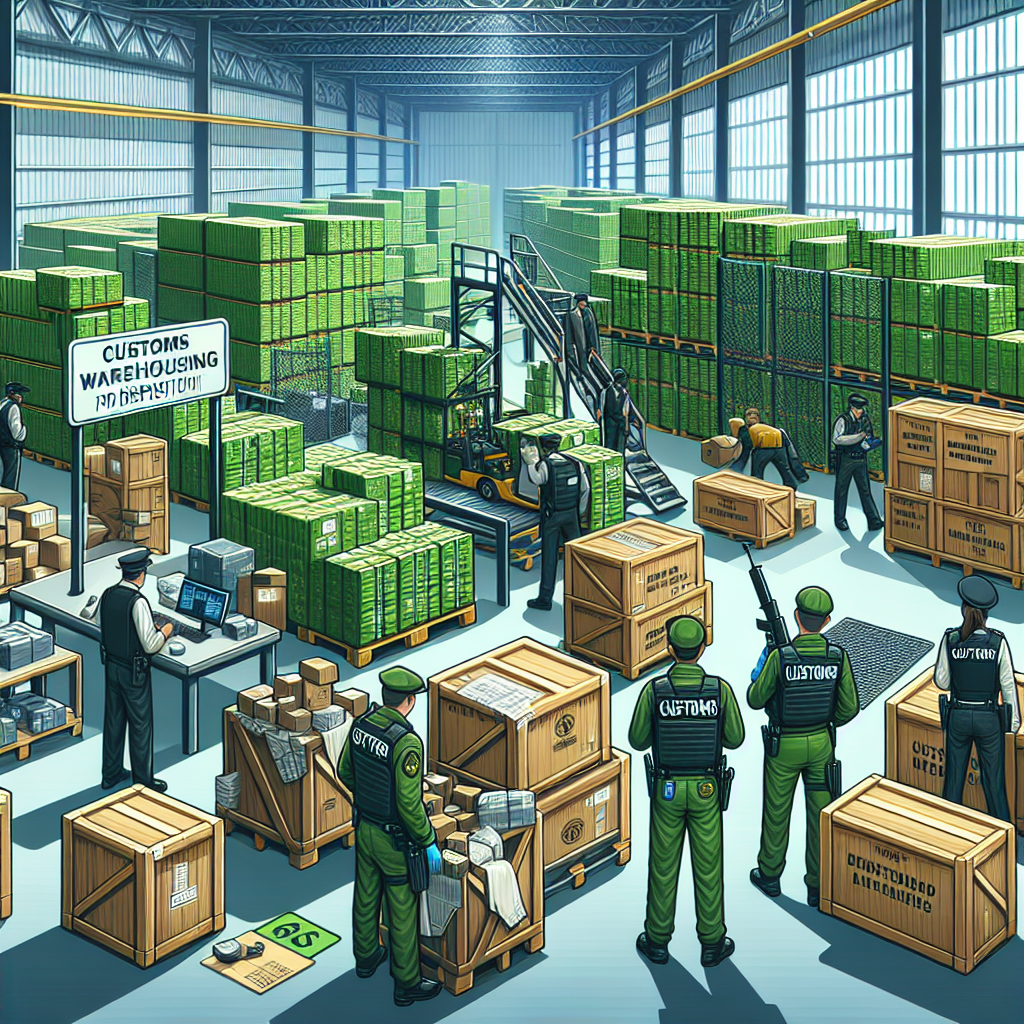
How do you handle items held in customs for destination?
Understanding retention and damage in bonded warehouses
Items retained or damaged in bonded warehouses require specific care to ensure regularization and proper disposal in accordance with current legislation. Retention can occur due to discrepancies in documents, tax problems or damage during transportation, customs control and physical inspections.
Initial procedures for analyzing items
When identifying retained or damaged products, it is essential to carry out a detailed assessment of the condition of the items. This involves checking tax documents, import notes, customs declarations and photographic records of physical damage. It is also necessary to consult specific legislation to determine which items can be regularized or require special destination.
Communication with the customs authority
Direct contact with the customs authority responsible for the facility is essential to clarify doubts, request additional information and ensure alignment in procedures. They can advise on the need to submit technical reports to prove damage or on the correct flow for destination.
Technical reports and expertise
For damaged items, the preparation of technical reports by qualified professionals is recommended. These documents prove the condition of the product, helping to justify its destination, whether for repair, reuse or disposal. The report should contain technical details, causes of damage and possible risks involved.
Destination options for retained or damaged items
Depending on the assessment, items can be sent to different destinations:
- Regularization and release: when the problems are documentary and can be corrected.
- Repair and reuse: for products that, even if damaged, can be repaired and marketed.
- Donation: goods with no commercial value due to damage can be donated, in compliance with specific regulations.
- Destruction and disposal: for items that cannot be recovered, environmentally correct disposal should be promoted, accompanied by the competent bodies.
Documentation and registration for disposal
Every disposal procedure must be documented in detail. This includes inspection reports, technical reports, authorizations from regulatory bodies and proof of final disposal. Transparency and compliance with regulations avoid fines and penalties.
Environmental and legal considerations
The disposal of detained and damaged items must comply with environmental regulations, avoiding negative impacts resulting from improper disposal. It is important to observe environmental and customs legislation to ensure that all steps are aligned with sustainable and legal practices.
Importance of specialized advice
Accounting for specialized advice or consultancy can facilitate the process of handling and disposing of retained or damaged items, ensuring greater agility and security in resolving cases, as well as the correct application of legislation.
Conclusion
Treating detained or damaged items in a customs enclosure requires attention to documentary details, technical assessment and respect for the rules in force. The right process ensures correct release, reuse or environmentally responsible disposal, avoiding financial losses and legal problems.
ManifestTransparency & Security Manifesto
Evidence and transparency: Our ESG approach is built on traceable documentation, verifiable records and auditable operational criteria. We turn electronic waste management into operational evidence to support governance, traceability and the mitigation of environmental, documentary and corporate risks. Documentary security and compliance: Documented traceability helps reduce regulatory exposure, strengthens documentary defensibility and supports alignment with applicable environmental policies, corporate contracts and governance requirements, including national and international references relevant to supply chains. Operational costing of reverse logistics: Door-to-door collection and responsible processing of electronic waste involve relevant logistics, technical and documentary costs. For this reason, Ecobraz structures transparent operational costing models linked to reverse logistics execution, with no promise of financial return, investment or asset appreciation. Governance: Operational execution is guided by compliance, traceability and verifiable documentation criteria. The priority is to strengthen the client’s corporate evidence, reduce documentary gaps and support safer, more responsible and defensible disposal decisions.

Deixe um comentário
O seu endereço de e-mail não será publicado. Campos obrigatórios são marcados com *