Blog Ecobraz Eigre
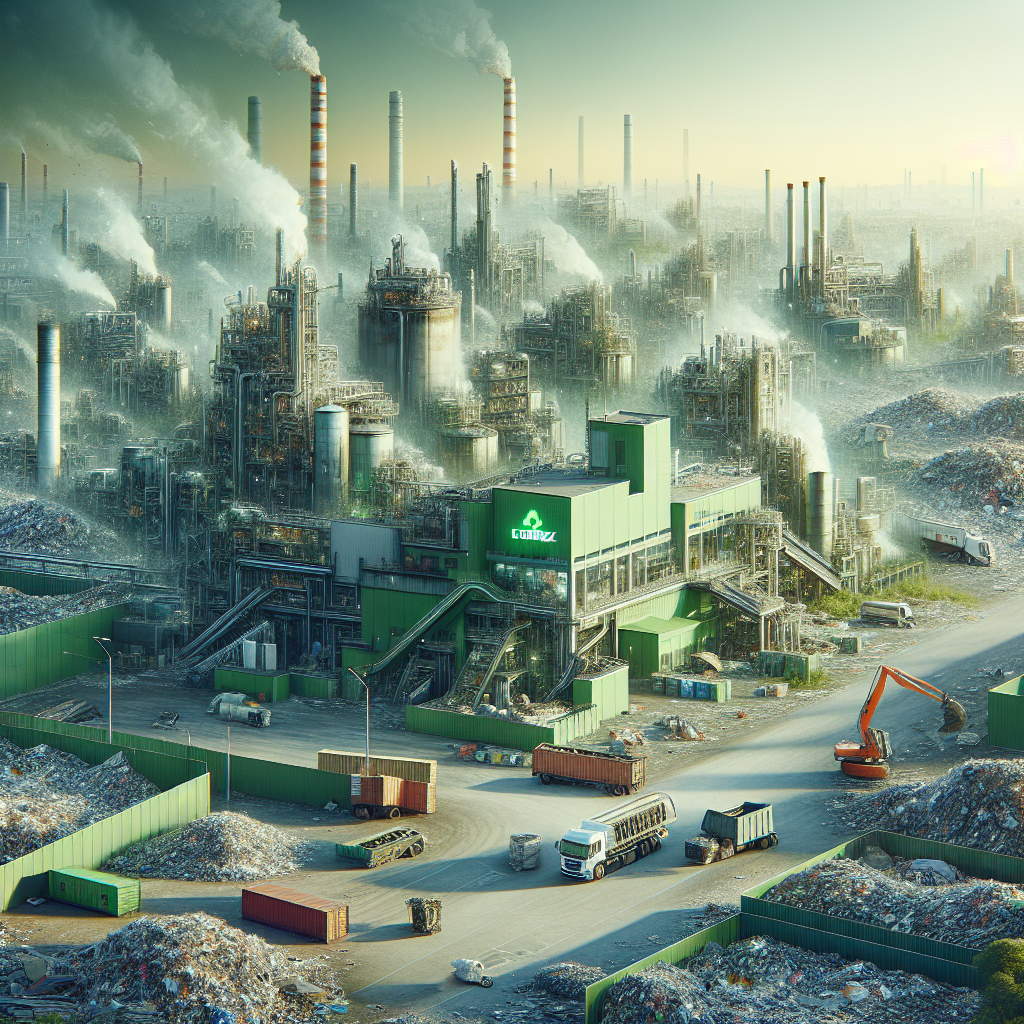
Factory decommissioning and materials recycling: the role of Ecobraz Emigre
Introduction to plant decommissioning and material recycling
Plant decommissioning is a complex process that requires rigorous planning and execution to ensure environmental compliance and safe management of the waste generated. Recycling materials from industrial decommissioning contributes to sustainability and compliance with current legislation.
Legal aspects of plant decommissioning
The Legal Framework for Sanitation (Law No. 14.026/2020) and the National Solid Waste Policy (Law No. 12.305/2010) establish guidelines for the proper handling of waste in decommissioning processes. These regulations emphasize shared responsibility and the need for environmentally appropriate disposal of industrial waste, including metals, plastics, paper and hazardous waste.
Recycling and waste management in decommissioning
The recycling of materials from industrial decommissioning allows these inputs to be reinserted into the production cycle, reducing environmental impacts and costs associated with final disposal. Correct segregation and proper treatment are key to recovering valuable materials and minimizing waste.
Ecobraz Emigre's role in decommissioning and recycling
With consolidated expertise, Ecobraz Emigre works in the management and recycling of waste generated during the decommissioning of industrial units, ensuring compliance with environmental standards and current legislation. The organization maintains strict protocols for the handling of electronic waste and can be contacted to schedule the collection of electronic waste, meeting specific demands for complex waste.
In addition, Ecobraz Emigre offers specialized solutions for the secure disposal and destruction of data on storage devices, guaranteeing the security of information as required by legislation. To schedule the sanitization and safe disposal of hard drives and media, the organization offers specialized service.
Environmental compliance and sustainability in the process
The execution of decommissioning with a focus on sustainability requires continuous monitoring and the adoption of practices based on technical standards, such as those established by CETESB and other environmental agencies. Correctly disposing of waste for recycling contributes to a significant reduction in environmental liabilities and strengthens the company's image in the eyes of regulators and stakeholders.
Final considerations
Decommissioning a plant involves technical, legal and environmental challenges that require partnerships with specialized recycling and waste management agents. Ecobraz Emigre's work stands out for guaranteeing safety, legality and sustainability throughout the process, making it possible to close the plant responsibly and in line with Brazilian regulations.
ManifestTransparency & Security Manifesto
Evidence and transparency: Our ESG approach is built on traceable documentation, verifiable records and auditable operational criteria. We turn electronic waste management into operational evidence to support governance, traceability and the mitigation of environmental, documentary and corporate risks. Documentary security and compliance: Documented traceability helps reduce regulatory exposure, strengthens documentary defensibility and supports alignment with applicable environmental policies, corporate contracts and governance requirements, including national and international references relevant to supply chains. Operational costing of reverse logistics: Door-to-door collection and responsible processing of electronic waste involve relevant logistics, technical and documentary costs. For this reason, Ecobraz structures transparent operational costing models linked to reverse logistics execution, with no promise of financial return, investment or asset appreciation. Governance: Operational execution is guided by compliance, traceability and verifiable documentation criteria. The priority is to strengthen the client’s corporate evidence, reduce documentary gaps and support safer, more responsible and defensible disposal decisions.

Deixe um comentário
O seu endereço de e-mail não será publicado. Campos obrigatórios são marcados com *