Blog Ecobraz Eigre
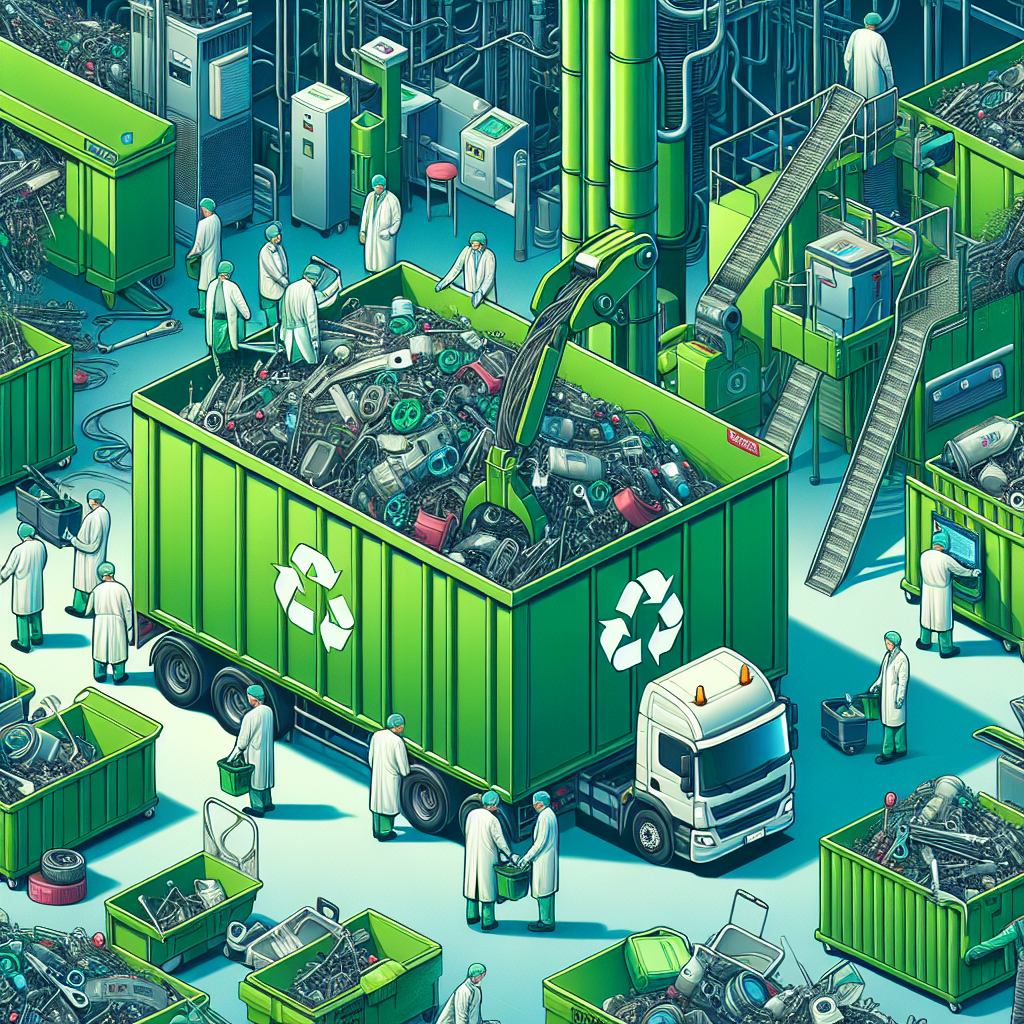
Disposal of Medical and Hospital Equipment: The Definitive Guide
Introduction to the Disposal of Medical and Hospital Equipment
The proper disposal of medical and hospital equipment is essential to ensure environmental protection and public health. These devices contain components that can be hazardous if disposed of incorrectly, requiring regulated practices in accordance with current legislation, mainly Law No. 12.305/2010 and complementary regulations from the National Solid Waste Management Information System (SINIR).
Regulations and Applicable Legislation
The management of medical device waste is supported by the National Solid Waste Policy (PNRS) - Law No. 12.305/2010, which establishes guidelines for the correct management of this waste, including electronic hospital devices. According to SINIR (National Solid Waste Management Information System), segregation, storage and proper disposal are essential to reduce environmental and biological risks (sinir.gov.br).
The Ministry of Health and Anvisa also provide guidance on the disposal of hospital waste, classifying which requires specific treatment to avoid contamination.
Classification of Medical and Hospital Equipment for Disposal
It is essential to identify the type of equipment in order to define the correct disposal process:
- Electronic equipment: includes monitors, infusion pumps, electrocardiographs, among others.
- Materials with hazardous components: devices containing mercury, batteries or other toxic agents.
- Common waste: devices without contaminating components that can be recycled.
Safe Disposal Procedures
To ensure legal compliance and safe disposal, follow these steps:
- Inventory and segregation: identify and separate devices according to their type and risk.
- Temporary storage: in an appropriate and signposted location, avoiding environmental contamination.
- Hiring specialized services: opt for qualified and licensed services for collection and final disposal (electronic waste collection).
- Treatment and reuse: where possible, recycle non-contaminating components and carry out safe sanitization for devices with data storage (safe disposal of media).
- Documentation and proof: keep a record of the final destination in accordance with article 33 of Law No. 12.305/2010.
Disposal of Devices with Electronic Components and Sensitive Data
The protection of data stored on medical devices, such as hard drives and electronic media, is critical. The physical destruction, degaussing or sanitization of these devices guarantees the security of the information in accordance with practices recommended by official bodies (hard drive sanitization).
Environmental Impacts of Incorrect Disposal
The irregular disposal of medical devices can cause contamination of soil, water and air, due to the presence of heavy metals and toxic components. In addition, improperly disposed of hospital waste poses biological risks, increasing exposure to infectious agents.
Good Practices and Responsibilities
The responsible handling of medical devices requires planning and implementing internal policies in line with current legislation, training the professionals involved, and using certified partners for environmentally appropriate final disposal.
Conclusion
The correct disposal of medical and hospital devices protects the environment and public health. Compliance with regulations, the use of specialized services in electronic waste collection and the safe sanitization of sensitive electronic devices guarantee safety, compliance and sustainability.
References:
ManifestTransparency & Security Manifesto
Evidence and transparency: Our ESG approach is built on traceable documentation, verifiable records and auditable operational criteria. We turn electronic waste management into operational evidence to support governance, traceability and the mitigation of environmental, documentary and corporate risks. Documentary security and compliance: Documented traceability helps reduce regulatory exposure, strengthens documentary defensibility and supports alignment with applicable environmental policies, corporate contracts and governance requirements, including national and international references relevant to supply chains. Operational costing of reverse logistics: Door-to-door collection and responsible processing of electronic waste involve relevant logistics, technical and documentary costs. For this reason, Ecobraz structures transparent operational costing models linked to reverse logistics execution, with no promise of financial return, investment or asset appreciation. Governance: Operational execution is guided by compliance, traceability and verifiable documentation criteria. The priority is to strengthen the client’s corporate evidence, reduce documentary gaps and support safer, more responsible and defensible disposal decisions.

Deixe um comentário
O seu endereço de e-mail não será publicado. Campos obrigatórios são marcados com *