Blog Ecobraz Eigre
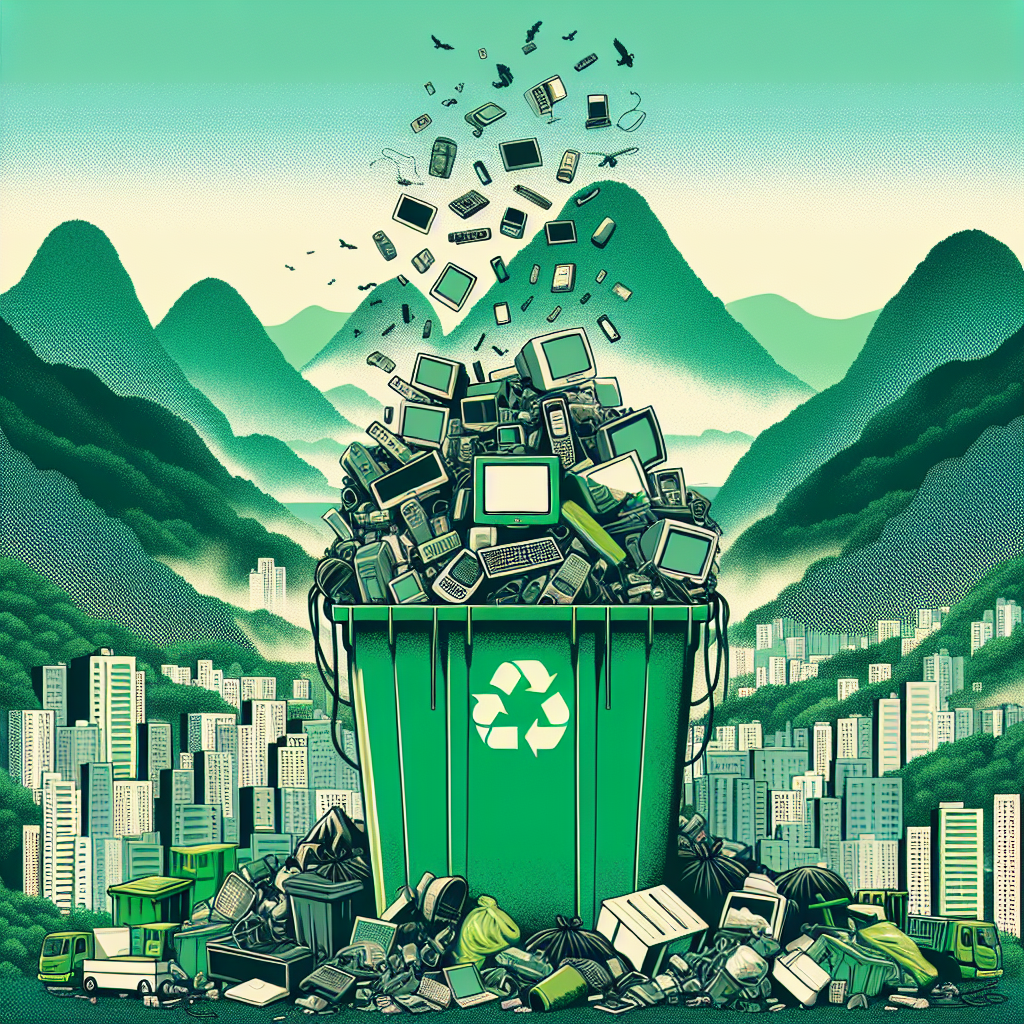
Electronic Waste Disposal in São Caetano do Sul
Introduction to Electronic Waste Disposal in São Caetano do Sul
Proper disposal of electronics is essential for environmental protection and public health, especially in urban areas like São Caetano do Sul. Electronic waste contains toxic substances that, when improperly discarded, can contaminate the soil, water, and air. Furthermore, improper disposal compromises the reuse of valuable materials present in electronic devices.
Current Legislation and Regulations
The management of electronic waste is mainly regulated by the National Solid Waste Policy (Law No. 12,305/2010), which establishes guidelines for sustainable management, shared responsibility, and reverse logistics. According to this legislation, São Caetano do Sul must adopt procedures for collection, treatment, and proper final disposal of this waste, ensuring environmental safety and legal compliance.
Additionally, the National Solid Waste Management Information System (SINIR) – available at sinir.gov.br – provides data and guidance for efficient monitoring and management of this waste in the municipality.
Safe Collection and Reverse Logistics
To guarantee proper disposal, it is recommended to adopt specialized collection points and use authorized services for electronic equipment removal. Electronic waste collection must be carried out through official channels with guaranteed proper destination and safe handling.
Companies and organizations can schedule electronic waste collection services through the portal https://ecobraz.org/pt_BR/eletronicos, which performs collection respecting current environmental regulations and best sector practices.
Disposal and Sanitization of Sensitive Devices
Devices containing confidential information, such as hard drives and storage media, require specific sanitization procedures to ensure information security. The disposal and secure destruction of these components must be performed according to best technical practices to prevent data leaks.
It is possible to schedule hard drive sanitization via the platform https://ecobraz.org/pt_BR/sanitizacao-de-hd, which guarantees secure and certified destruction of devices, following technical standards recommended by the NIST Special Publication 800-88r1.
Environmental Impacts and Benefits of Proper Disposal
Improper disposal of electronics contributes to environmental contamination and poses health risks to the population. Substances such as lead, cadmium, and mercury found in electronic components are highly hazardous. On the other hand, responsible disposal enables the recovery of reusable materials, saving natural resources and reducing the need for mineral extraction.
Local Initiatives in São Caetano do Sul
The municipal government and environmental bodies promote targeted campaigns for collecting electronic equipment, encouraging the population and economic agents to adopt correct practices. CETESB (Environmental Company of the State of São Paulo) also provides guidelines for handling and disposal, accessible at cetesb.sp.gov.br.
Final Considerations
Electronic waste disposal in São Caetano do Sul must strictly follow legislation and the best environmental and information security practices. Using official channels for collection and sanitization is an essential strategy to ensure compliance and safety, contributing to urban sustainability and the protection of natural resources.
ManifestTransparency & Security Manifesto
Evidence and transparency: Our ESG approach is built on traceable documentation, verifiable records and auditable operational criteria. We turn electronic waste management into operational evidence to support governance, traceability and the mitigation of environmental, documentary and corporate risks. Documentary security and compliance: Documented traceability helps reduce regulatory exposure, strengthens documentary defensibility and supports alignment with applicable environmental policies, corporate contracts and governance requirements, including national and international references relevant to supply chains. Operational costing of reverse logistics: Door-to-door collection and responsible processing of electronic waste involve relevant logistics, technical and documentary costs. For this reason, Ecobraz structures transparent operational costing models linked to reverse logistics execution, with no promise of financial return, investment or asset appreciation. Governance: Operational execution is guided by compliance, traceability and verifiable documentation criteria. The priority is to strengthen the client’s corporate evidence, reduce documentary gaps and support safer, more responsible and defensible disposal decisions.

Deixe um comentário
O seu endereço de e-mail não será publicado. Campos obrigatórios são marcados com *