Blog Ecobraz Eigre
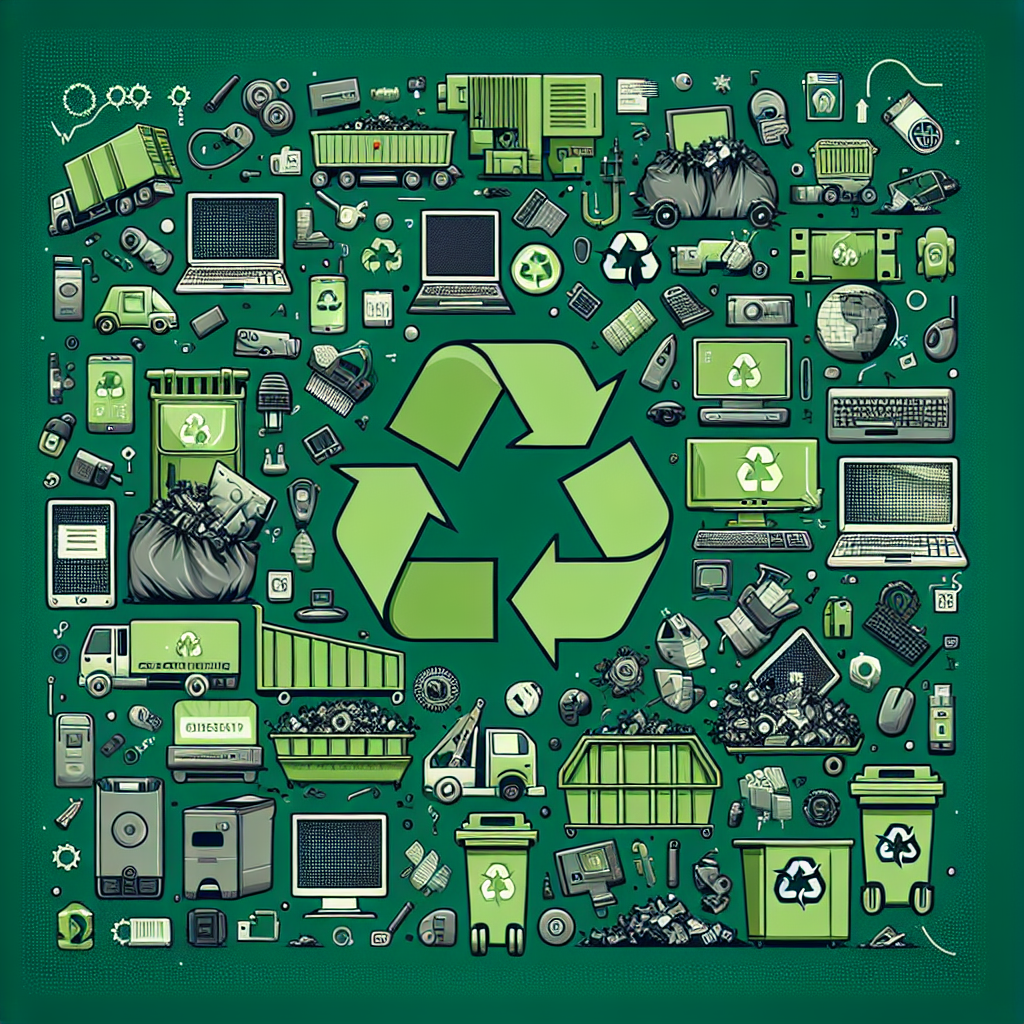
Electronic Waste Disposal: the complete guide to disposing of your equipment safely
The disposal of electronic waste is fundamental to the preservation of the environment and the security of personal data. This comprehensive guide covers the correct methods for disposing of your electronic equipment responsibly, including tips on recycling, selective collection and suitable disposal points.
What is electronic waste?
Electronic waste, also known as e-waste, includes obsolete, broken or no longer used electronic devices, such as computers, cell phones, televisions, printers and batteries. This equipment contains heavy metals and toxic components that can cause serious damage to the environment and human health if disposed of incorrectly.
Why is proper disposal important?
Inadequate disposal of e-waste can lead to contamination of the soil, water and air, as well as generating risks to public health. In addition, many of these devices have components that can be recycled and reused, helping to reduce the exploitation of natural resources and energy consumption.
How to prepare equipment for disposal
Before disposing of your electronic devices, it is important to take steps to ensure the security of your personal data. Make sure you back up important information, erase all data and restore devices to factory settings. In this way, you protect your privacy and facilitate the recycling process.
Electronic waste collection and recycling points
There are various collection points exclusively for electronic waste, such as urban recycling centers, itinerant collection events and establishments that receive used devices for proper disposal. Look for local information to identify where you can drop off your equipment and promote responsible disposal.
Recycling technologies and methods
Recycling e-waste involves dismantling the equipment to separate the materials, such as metals, plastics and glass. Advanced techniques make it possible to reuse valuable elements such as gold, copper and aluminum. The correct disposal of these materials prevents environmental contamination and contributes to the circular economy.
Tips for reducing the generation of electronic waste
In addition to correct disposal, it is essential to adopt practices that minimize the generation of electronic waste. Use your devices for as long as possible, carry out preventive maintenance, consider repairs before replacement and donate still-functional equipment to people who can reuse it.
Legislation and environmental responsibility
Currently, national legislation establishes that the disposal of electronic waste must follow specific rules to minimize environmental impacts. All users have a responsibility to dispose of their equipment conscientiously, contributing to the preservation of the environment and sustainability.
Conclusion
Disposing of electronic waste is a crucial action to protect the environment and guarantee the security of your personal data. By following the guidelines in this guide, you can dispose of your electronic equipment safely and responsibly, promoting a more sustainable world.
ManifestTransparency & Security Manifesto
Evidence and transparency: Our ESG approach is built on traceable documentation, verifiable records and auditable operational criteria. We turn electronic waste management into operational evidence to support governance, traceability and the mitigation of environmental, documentary and corporate risks. Documentary security and compliance: Documented traceability helps reduce regulatory exposure, strengthens documentary defensibility and supports alignment with applicable environmental policies, corporate contracts and governance requirements, including national and international references relevant to supply chains. Operational costing of reverse logistics: Door-to-door collection and responsible processing of electronic waste involve relevant logistics, technical and documentary costs. For this reason, Ecobraz structures transparent operational costing models linked to reverse logistics execution, with no promise of financial return, investment or asset appreciation. Governance: Operational execution is guided by compliance, traceability and verifiable documentation criteria. The priority is to strengthen the client’s corporate evidence, reduce documentary gaps and support safer, more responsible and defensible disposal decisions.

Deixe um comentário
O seu endereço de e-mail não será publicado. Campos obrigatórios são marcados com *