Blog Ecobraz Eigre
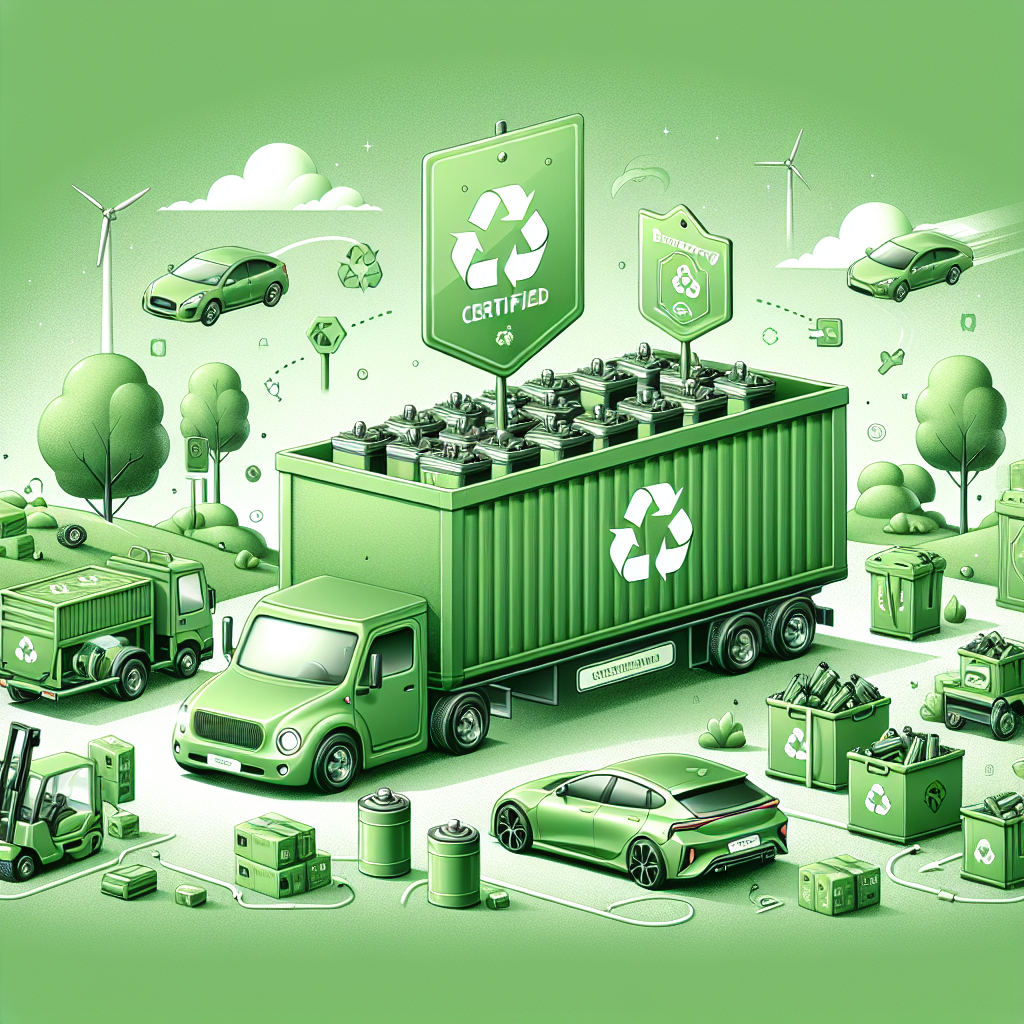
Ecobraz: collection, transportation and certified disposal of electric car batteries
The advance of electric mobility has brought new environmental responsibilities, especially in the management of electric vehicle batteries. The process of collection, transportation and certified disposal of these batteries is fundamental to guaranteeing the sustainability and safety of the environment.
Importance of collecting electric car batteries
With the significant increase in the use of electric cars, there is also a growing need for an effective system for collecting used batteries. These batteries contain hazardous and valuable materials which, if disposed of improperly, can cause serious damage to the environment and public health. Therefore, proper collection is the first step in avoiding contamination of the soil, water and air, while at the same time making it possible to reuse components.
Challenges in transporting used batteries
Transporting electric car batteries requires specific care due to their risk potential. They need to be handled in accordance with current regulations to ensure the safety of the professionals involved and the community. This process involves the use of specialized packaging, safe routes and appropriate vehicles to avoid accidents during transport. Compliance with these standards is essential to protect the environment and comply with environmental legislation.
Certified disposal and responsible recycling
The certified disposal of batteries is essential to ensure that waste is dealt with properly. In this process, the batteries are sent to authorized recycling units, where materials such as lithium, nickel and cobalt are extracted for reuse. This reduces the extraction of natural resources and minimizes the generation of hazardous waste. In addition, responsible recycling contributes to the circular economy and reduces the environmental footprint of electric vehicles.
Environmental compliance and benefits for the planet
Following certified disposal means meeting strict environmental standards, which ensures safe practices in the handling and processing of batteries. This compliance prevents negative impacts on the environment and promotes public health. In addition, the chain of responsibility involving collection, transport and disposal acts as a sustainable model, encouraging innovation and the development of clean technologies.
Ecobraz and its commitment to sustainability
Entities specializing in the handling of used batteries play a crucial role in integrating the processes of collection, transport and certified disposal. Their activities are guided by transparency and a guarantee of environmental safety, ensuring that recycling is carried out to the highest standards. In this way, they contribute to building a more sustainable and conscious future, where electric mobility can grow without compromising the planet's resources.
The future of electric car battery management
The future scenario points to a greater complexity and volume of discarded batteries, requiring continuous improvement in recycling and logistics technologies. Investments in research, infrastructure and specific regulations will be key to meeting growing demand. Collaboration between different sectors will be key to consolidating sustainable practices and ensuring the environmental viability of electric mobility in the long term.
ManifestTransparency & Security Manifesto
Evidence and transparency: Our ESG approach is built on traceable documentation, verifiable records and auditable operational criteria. We turn electronic waste management into operational evidence to support governance, traceability and the mitigation of environmental, documentary and corporate risks. Documentary security and compliance: Documented traceability helps reduce regulatory exposure, strengthens documentary defensibility and supports alignment with applicable environmental policies, corporate contracts and governance requirements, including national and international references relevant to supply chains. Operational costing of reverse logistics: Door-to-door collection and responsible processing of electronic waste involve relevant logistics, technical and documentary costs. For this reason, Ecobraz structures transparent operational costing models linked to reverse logistics execution, with no promise of financial return, investment or asset appreciation. Governance: Operational execution is guided by compliance, traceability and verifiable documentation criteria. The priority is to strengthen the client’s corporate evidence, reduce documentary gaps and support safer, more responsible and defensible disposal decisions.

Deixe um comentário
O seu endereço de e-mail não será publicado. Campos obrigatórios são marcados com *