Blog Ecobraz Eigre
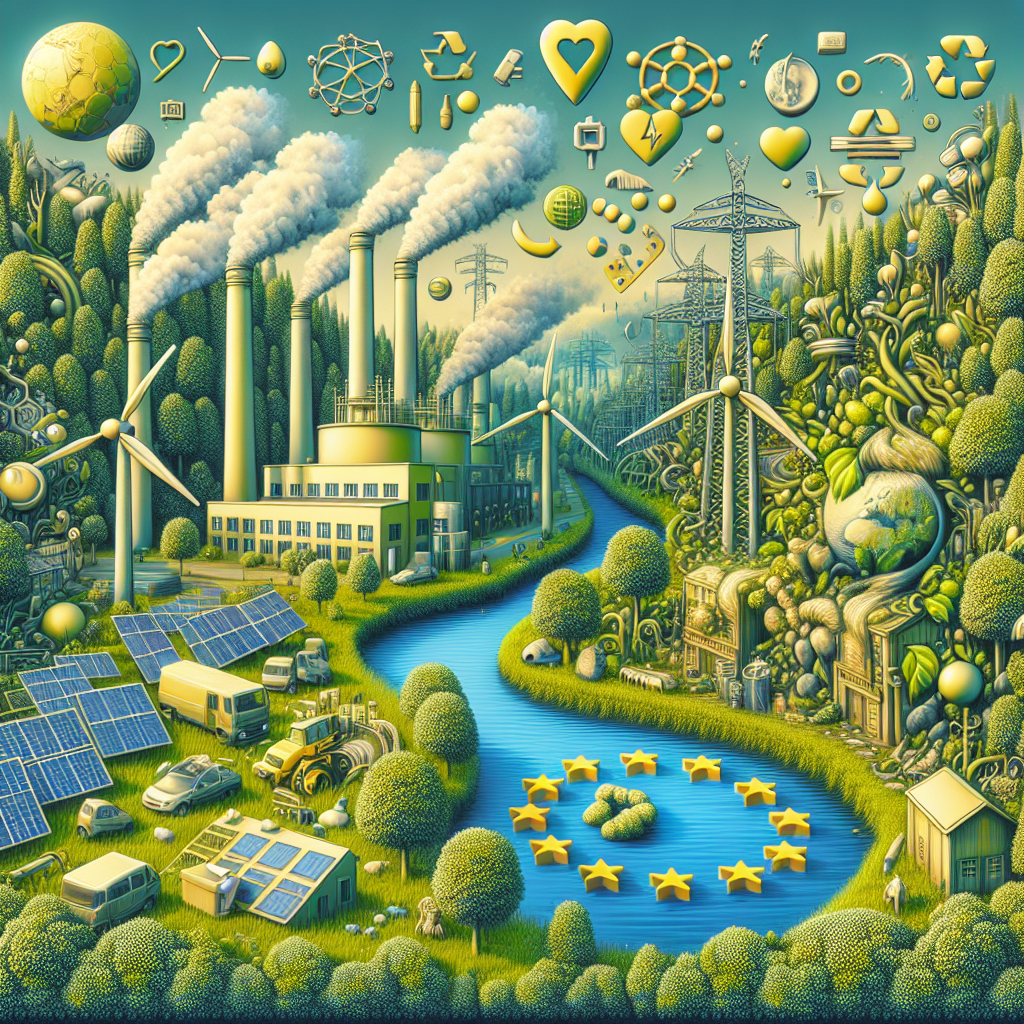
Ecobraz and the European Union: a model of sustainable integration
The sustainable integration model between Ecobraz and the European Union represents a strategic partnership for improving environmental waste management, in line with international sustainability and circular economy guidelines.
Legal and Regulatory Context
The cooperation between Ecobraz and the European bloc is based on clear regulations, such as Decree No. 10.936/2022, which regulates the National Solid Waste Policy (Law No. 12.305/2010). They also comply with the European Directive 2012/19/EU on waste electrical and electronic equipment (WEEE), which sets strict standards for collection, recycling and environmentally appropriate disposal.
Sustainable Integration: Principles and Practices
The partnership implements structured reverse logistics processes that ensure the proper collection of electronic waste, reducing environmental impact and promoting the reuse and recycling of valuable material, as provided for in article 33 of Law No. 12.305/2010.
Additionally, the safe handling of data stored on devices is ensured by the use of certified procedures for safe disposal of hard drives and media, in compliance with the General Personal Data Protection Law (Law No. 13,709/2018), which requires the secure destruction of information to prevent leaks and misuse.
Socio-environmental and Economic Benefits
The collaboration between the systems promotes the strengthening of the circular economy through the reuse and recycling of electronic components, encouraging the generation of green jobs and the development of sustainable technologies, supported by official CETESB regulations (https://cetesb.sp.gov.br/), which monitor the environmental compliance of the process.
Advances in Training and Technology
Technical training programs run by both partners use international standards to ensure the quality of waste processing, including classification, disassembly and disposal, as recommended by the National Solid Waste Management Information System (SINIR - https://sinir. gov.br/).gov.br/).
Conclusion
The sustainable integration promoted by the partnership between Ecobraz and the European Union is consolidating itself as an international benchmark for the proper management of electronic waste, promoting legal compliance, information security and environmental protection through technical and structural solutions in line with global best practices.
ManifestTransparency & Security Manifesto
Evidence and transparency: Our ESG approach is built on traceable documentation, verifiable records and auditable operational criteria. We turn electronic waste management into operational evidence to support governance, traceability and the mitigation of environmental, documentary and corporate risks. Documentary security and compliance: Documented traceability helps reduce regulatory exposure, strengthens documentary defensibility and supports alignment with applicable environmental policies, corporate contracts and governance requirements, including national and international references relevant to supply chains. Operational costing of reverse logistics: Door-to-door collection and responsible processing of electronic waste involve relevant logistics, technical and documentary costs. For this reason, Ecobraz structures transparent operational costing models linked to reverse logistics execution, with no promise of financial return, investment or asset appreciation. Governance: Operational execution is guided by compliance, traceability and verifiable documentation criteria. The priority is to strengthen the client’s corporate evidence, reduce documentary gaps and support safer, more responsible and defensible disposal decisions.

Deixe um comentário
O seu endereço de e-mail não será publicado. Campos obrigatórios são marcados com *