Blog Ecobraz Eigre
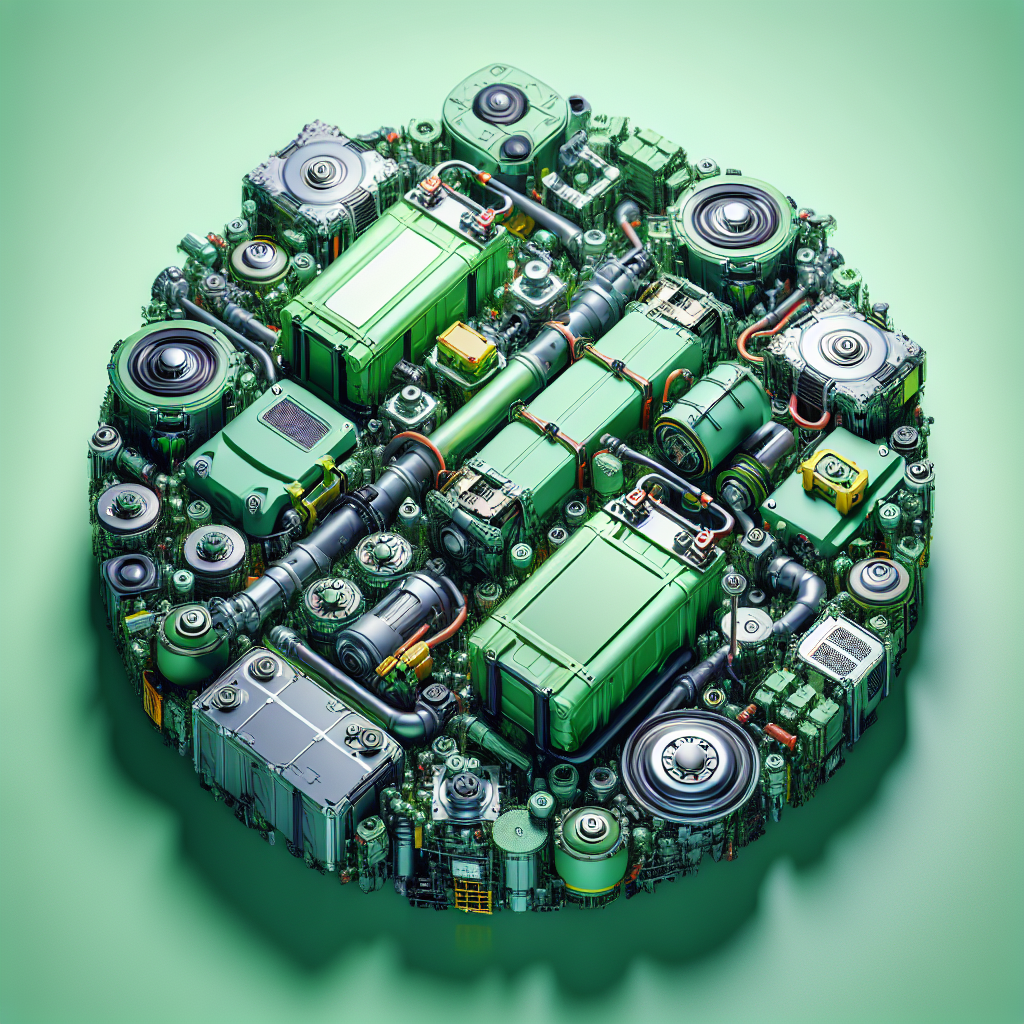
Circular economy: Ecobraz reuses electric vehicle battery components
Introduction to the Circular Economy in Electric Vehicle Batteries
The growing adoption of electric vehicles (EVs) has boosted demand for batteries, while at the same time highlighting the need for sustainable solutions for the disposal and reuse of these components. The circular economy has emerged as an effective response, seeking to minimize environmental impact and optimize the use of resources.
Challenges of Disposing of Electric Vehicle Batteries
Electric vehicle batteries, especially lithium-ion batteries, present significant challenges for traditional disposal due to their complex chemical composition and potential environmental risk. Improper disposal can lead to soil and water contamination, as well as representing a considerable loss of valuable materials such as lithium, nickel, cobalt and manganese.
Ecobraz's Component Reuse Process
Ecobraz works on the intelligent reuse of electric vehicle battery components, incorporating circular economy principles to maximize the recovery of raw materials and reduce waste. Using advanced technologies, the organization dismantles, treats and recycles battery modules, extracting reusable materials for the manufacture of new batteries and other products.
Environmental Benefits of Reuse
The reuse of battery components contributes to the reduction of mineral extraction, reducing the environmental impact associated with mining. It also prevents the release of hazardous waste into the environment and promotes the prolonged reuse of resources, in line with the objectives of the circular economy and sustainability.
Technological Innovation and Sustainability
By investing in technological innovation for the reuse of batteries, Ecobraz strengthens the production chain for electric vehicles, guaranteeing reliable sources of secondary raw materials. This approach not only supports environmental sustainability, but also offers a competitive advantage for the growing electric mobility market.
Future Prospects and Expansion of the Circular Economy
With the advancement of the electrification of transportation, the demand for recycling solutions will be ever greater. Pioneering work in battery reuse is essential to consolidate an efficient and scalable circular economy model, contributing to the global energy transition and the reduction of greenhouse gas emissions.
Conclusion
The reuse of electric vehicle battery components represents a unique opportunity to harmonize innovation, sustainability and the circular economy. By promoting the reuse of valuable raw materials and reducing environmental impacts, this initiative makes a decisive contribution to a greener and more responsible future.
ManifestTransparency & Security Manifesto
Evidence and transparency: Our ESG approach is built on traceable documentation, verifiable records and auditable operational criteria. We turn electronic waste management into operational evidence to support governance, traceability and the mitigation of environmental, documentary and corporate risks. Documentary security and compliance: Documented traceability helps reduce regulatory exposure, strengthens documentary defensibility and supports alignment with applicable environmental policies, corporate contracts and governance requirements, including national and international references relevant to supply chains. Operational costing of reverse logistics: Door-to-door collection and responsible processing of electronic waste involve relevant logistics, technical and documentary costs. For this reason, Ecobraz structures transparent operational costing models linked to reverse logistics execution, with no promise of financial return, investment or asset appreciation. Governance: Operational execution is guided by compliance, traceability and verifiable documentation criteria. The priority is to strengthen the client’s corporate evidence, reduce documentary gaps and support safer, more responsible and defensible disposal decisions.

Deixe um comentário
O seu endereço de e-mail não será publicado. Campos obrigatórios são marcados com *