Blog Ecobraz Eigre
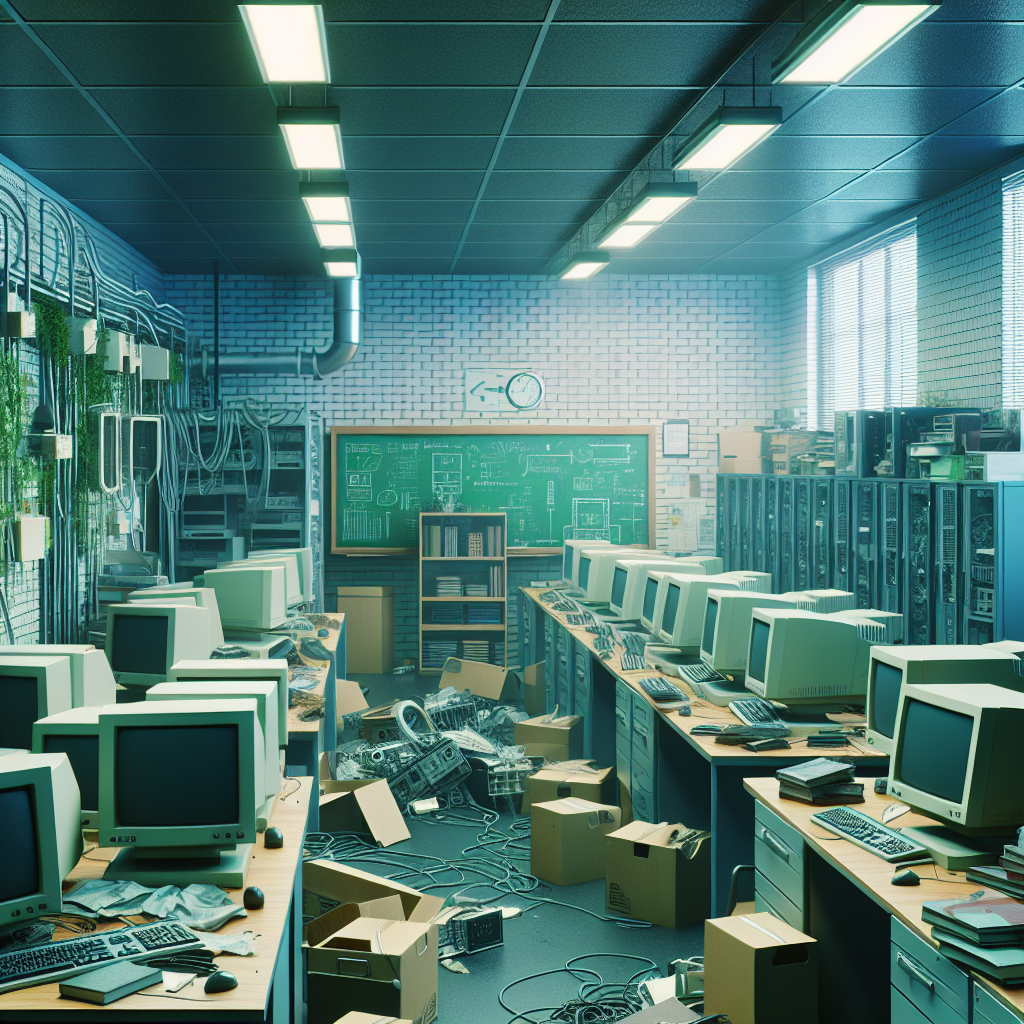
Education: disposal of computer labs at the end of the semester.
Importance of proper disposal of computer labs
At the end of each semester, many educational institutions face the challenge of correctly disposing of the computer equipment used in their labs. This is essential to ensure the preservation of the environment and the proper reuse of electronic materials.
Environmental impacts of improper disposal
The incorrect disposal of computers, monitors, keyboards and other components can lead to serious environmental problems. Electronic waste contains toxic substances such as lead, mercury and cadmium, which, when disposed of in inappropriate places, contaminate soil and water, damaging local fauna and flora.
Recommended procedures for responsible disposal
To avoid negative impacts, institutions should plan the disposal of their equipment responsibly. This includes identifying obsolete or damaged equipment, backing up data and forwarding devices to specialized collection points for recycling or safe disposal.
Recycling and reusing equipment
In addition to disposal, it is possible to reuse functional components or direct equipment for recycling, helping to reduce the volume of electronic waste. Many parts can be reused in the manufacture of new devices or transformed into raw materials for other industries.
Environmental education for teachers and students
Including awareness of the correct disposal of electronic waste as part of the educational curriculum encourages students and teachers to adopt sustainable practices. This culture contributes to reducing the generation of electronic waste and preserving the planet.
Conclusion
The proper disposal of computer labs at the end of the semester is essential for minimizing environmental impacts and promoting sustainability in educational institutions. With planning and awareness, it is possible to turn electronic waste into valuable resources.
ManifestTransparency & Security Manifesto
Evidence and transparency: Our ESG approach is built on traceable documentation, verifiable records and auditable operational criteria. We turn electronic waste management into operational evidence to support governance, traceability and the mitigation of environmental, documentary and corporate risks. Documentary security and compliance: Documented traceability helps reduce regulatory exposure, strengthens documentary defensibility and supports alignment with applicable environmental policies, corporate contracts and governance requirements, including national and international references relevant to supply chains. Operational costing of reverse logistics: Door-to-door collection and responsible processing of electronic waste involve relevant logistics, technical and documentary costs. For this reason, Ecobraz structures transparent operational costing models linked to reverse logistics execution, with no promise of financial return, investment or asset appreciation. Governance: Operational execution is guided by compliance, traceability and verifiable documentation criteria. The priority is to strengthen the client’s corporate evidence, reduce documentary gaps and support safer, more responsible and defensible disposal decisions.

Deixe um comentário
O seu endereço de e-mail não será publicado. Campos obrigatórios são marcados com *