Blog Ecobraz Eigre
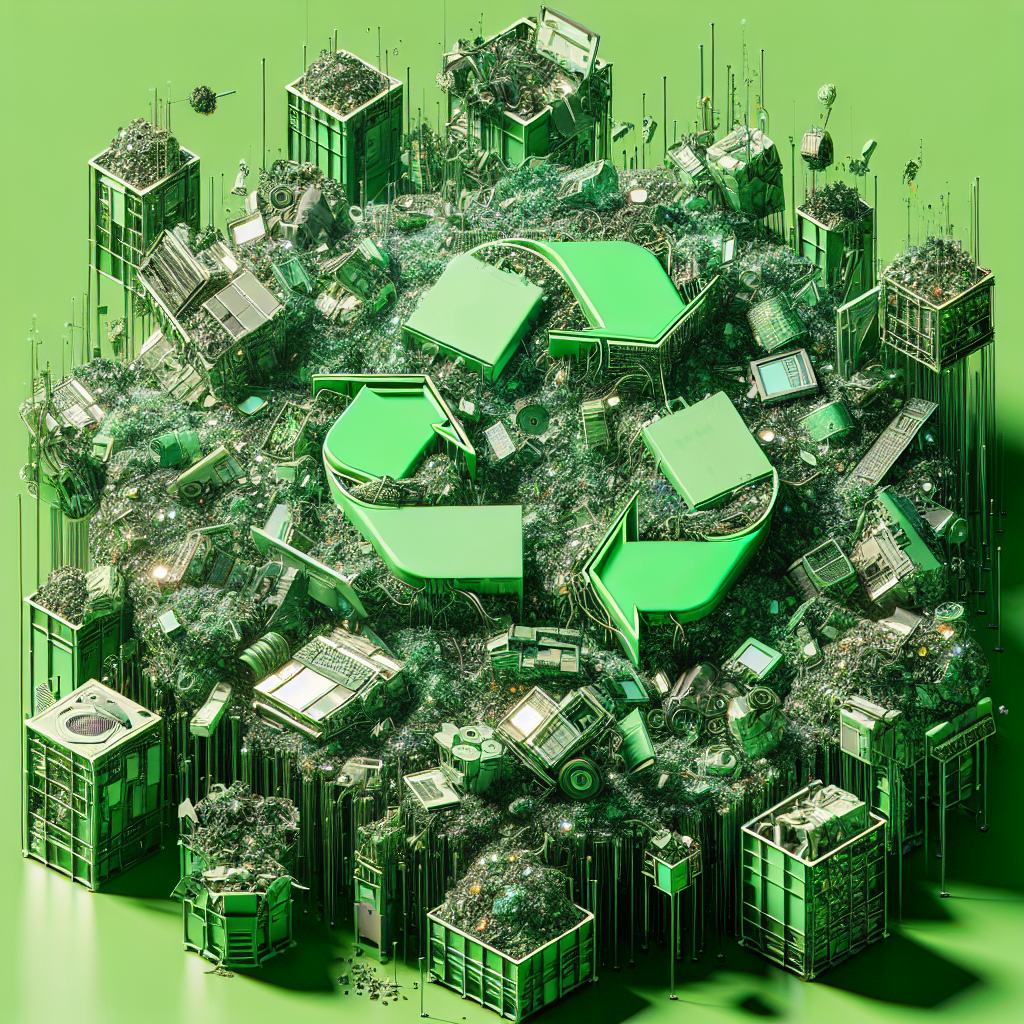
Understand what e-waste is and how Ecobraz transforms waste into sustainability
What is E-waste?
E-waste, or electronic waste, consists of waste from discarded electronic equipment such as computers, cell phones, televisions and other obsolete or damaged devices. These materials contain heavy metals and toxic substances which, when disposed of inappropriately, can cause serious damage to the environment and public health.
Challenges of E-waste Disposal
The incorrect disposal of e-waste is a growing problem worldwide. Due to the complexity of electronic components and the presence of hazardous materials, improper treatment of this waste can contaminate the soil, bodies of water and the air. In addition, e-waste represents a significant loss of valuable resources, such as gold, copper, silver and other metals, which could be recycled and reused.
How Ecobraz Works to Transform E-Waste
Ecobraz works with the collection, processing and recycling of electronic waste, with a focus on recovering valuable materials and promoting environmental sustainability. Through technically advanced processes, waste is segregated, dismantled and treated safely, ensuring that toxic materials are isolated and resources are reused efficiently.
Cable and Wire Processing
One of Ecobraz's main focuses is the processing of cables and wires, which are rich sources of copper and other metals. The method involves separating the copper from the plastic parts using specialized equipment, avoiding improper burning that could release pollutants. This process contributes to the conservation of natural resources, reduces mineral extraction and minimizes the generation of toxic waste.
Environmental and Social Benefits of E-waste Recycling
Ecobraz's recycling of e-waste promotes various environmental benefits, such as reducing air, soil and water pollution, reducing health risks. In addition, by recovering precious metals, it contributes to the circular economy, reducing the demand for mining. Socially, the initiative encourages the creation of green jobs, involving professionals in the collection, sorting and recycling of electronic waste.
How You Can Contribute
In order to increase the positive impact of e-waste recycling, it is essential that consumers and companies adopt conscious practices. This includes correctly disposing of electronic equipment at authorized collection points, encouraging the reuse of devices and supporting initiatives that promote sustainability in the electronics sector.
Conclusion
Electronic waste is a contemporary challenge that requires effective solutions to prevent environmental damage and make the most of the resources contained in electronic devices. Ecobraz stands out by providing a sustainable model for managing this waste, turning e-waste into an opportunity for environmental conservation and responsible economic development.

Deixe um comentário
O seu endereço de e-mail não será publicado. Campos obrigatórios são marcados com *