Blog Ecobraz Eigre
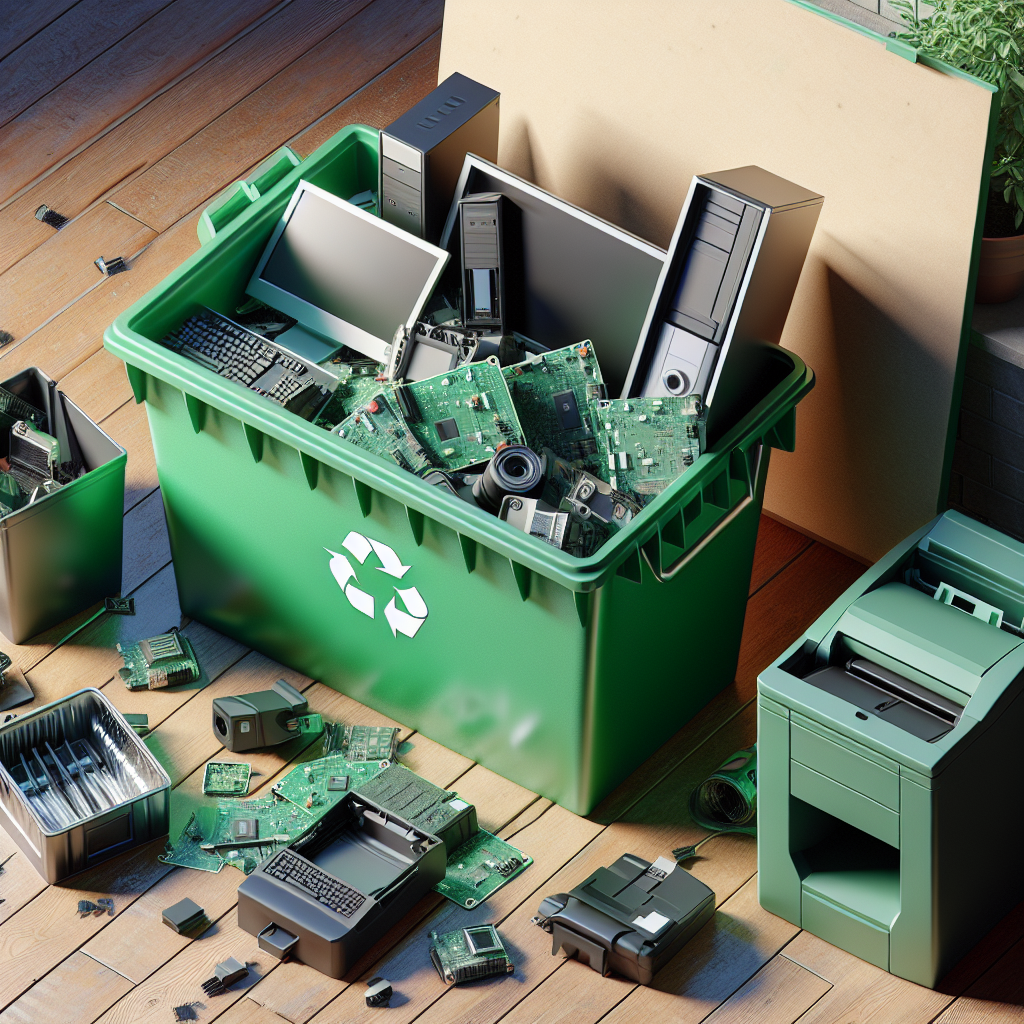
Home Office Equipment: How to Dispose of Used Computers and Printers
Introduction to Office Equipment Disposal at Home
The proper disposal of used computers and printers is essential for environmental protection and public health, aligned with the current legal guidelines in Brazil. These devices contain components that can be harmful if improperly discarded, as well as sensitive data that require secure elimination.
Applicable Legislation
The National Solid Waste Policy (Federal Law No. 12,305/2010) regulates the sustainable management of electronic waste, including home computers and printers. This legislation establishes shared responsibility among generators, distributors, and the public authorities, aiming at selective collection, reuse, recycling, and environmentally appropriate final disposal (Law No. 12,305/2010).
Procedures for Disposal of Computers and Printers
To safely dispose of office equipment at home, some strict steps should be followed:
- Electronic Waste Disposal: Use specialized electronic waste collection services. These services guarantee environmentally correct disposal, avoiding contamination by heavy metals and other toxic materials. To schedule, visit Electronic Waste Collection.
- Data Sanitization: For computers and devices containing storage units, it is essential to sanitize hard drives (HD) and digital media to ensure the protection of personal or corporate information. Physical removal or secure data overwriting must be performed using authorized processes. Sanitization services can be scheduled at HD Sanitization.
Environmental and Safety Aspects
The presence of residues such as heavy metals, brominated flame retardants, plastic components, and chemical elements means that the irregular disposal of electronic equipment poses significant risks to the environment and public health. Improper storage can cause contamination of soil, water, and air, as well as exposure to toxic substances for the people involved in handling this waste.
Technical Recommendations
- Disassembly and transport of equipment must be done by trained professionals or licensed services to avoid damage and risks to physical integrity.
- Avoid disposing of electronic equipment in regular trash to prevent compromising the recycling process and increasing environmental pollution.
- Consult authorized collection centers, preferably linked to public agencies or environmental institutions, ensuring regulatory compliance according to the National Information System on Solid Waste Management (SINIR - https://sinir.gov.br/).
Conclusion
The proper disposal of computers and printers in a home environment is a procedure that must comply with Brazilian environmental and legal standards. By carrying out specialized collection and correct data sanitization, environmental contamination is avoided, sensitive data is protected, and sustainability is promoted.

Deixe um comentário
O seu endereço de e-mail não será publicado. Campos obrigatórios são marcados com *