Blog Ecobraz Eigre
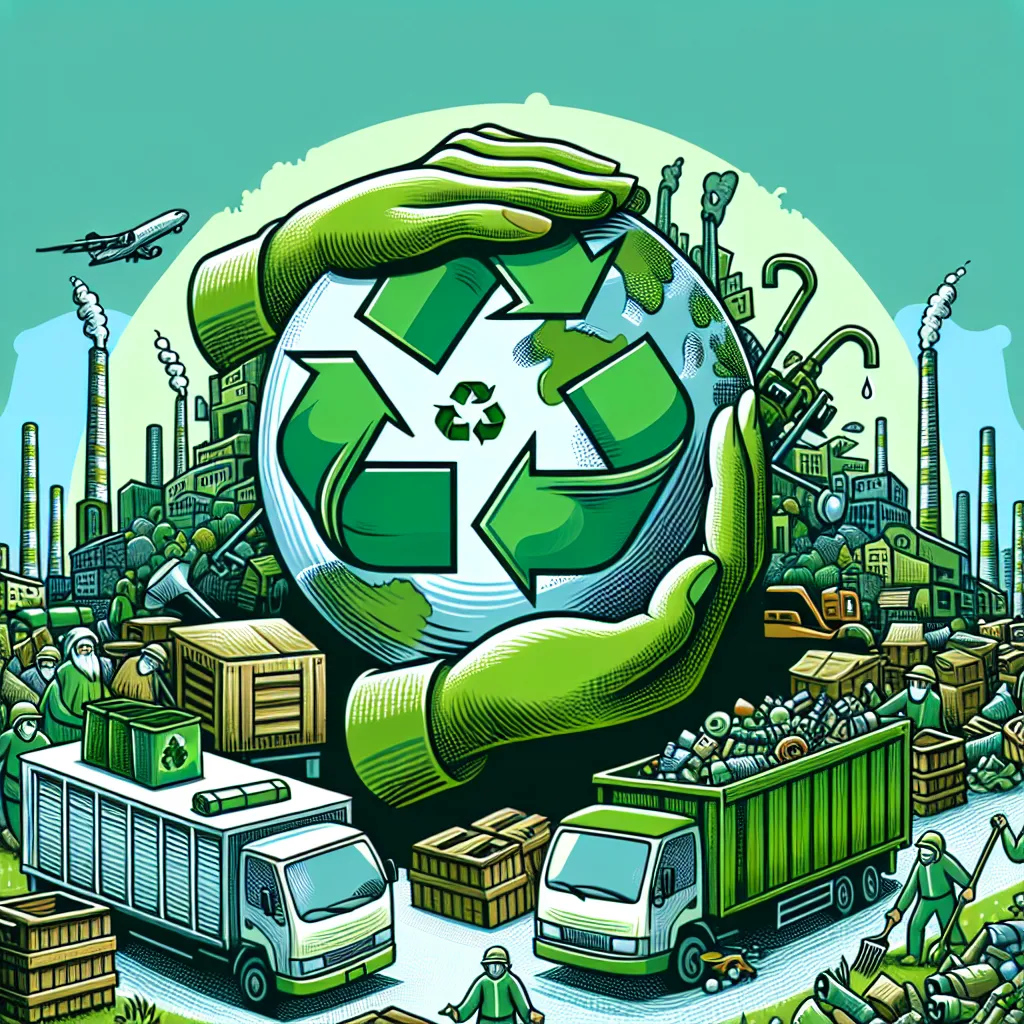
Environmental Governance and PNRS: The Role of NGOs and Ecobraz in Reverse Logistics
Introduction to Environmental Governance and PNRS
Environmental governance in Brazil has improved based on the legal framework established by the National Solid Waste Policy (PNRS), Law No. 12,305/2010, which sets guidelines for the integrated management and environmentally proper handling of solid waste. The PNRS highlights the importance of reverse logistics as a fundamental tool to promote the return of waste to the production cycle, reducing environmental impacts and promoting the circular economy.
The Role of NGOs in Reverse Logistics
Non-governmental organizations (NGOs) have been strategic agents for the success of environmental governance and PNRS actions, acting as facilitators and operators in reverse logistics chains. These entities implement programs for collection, sorting, reuse, and proper final disposal of waste, contributing to the fulfillment of shared responsibilities provided for in Article 30 of the PNRS.
Moreover, NGOs play an educational and environmental awareness role, with actions that reinforce the importance of correct waste disposal and sustainability, fostering responsible consumption practices among various audiences, including institutions and governmental sectors.
Ecobraz and Its Role in Reverse Logistics
Ecobraz, an organization recognized in the field of reverse logistics, integrates the national network of cooperatives and environmental associations focused on the efficient management of electronic waste. Its activities align with the requirements of the National System of Solid Waste Management Information (SINIR) and current environmental policies, contributing to the continuous improvement of environmental governance.
Among the services provided by Ecobraz, the specialized and safe collection of electronic waste, including obsolete and discarded equipment, stands out, available for scheduling at electronic waste collection. This operation ensures proper disposal and increases the recycling rate of these products, reducing their environmental impact.
Another highlight of the entity is the secure sanitization of media, such as hard drives and other digital media, mitigating information security risks. This process, which can be scheduled through secure disposal of HDs and media, ensures compliance with data protection regulations and prevents legal liabilities.
Legal and Regulatory Aspects
The PNRS determines, in its Article 33, that reverse logistics is mandatory for several sectors, holding manufacturers, importers, distributors, and retailers responsible for the return of products after use by the final consumer. The role of NGOs and environmental cooperatives, such as Ecobraz, is fundamental in this context to enable the operationalization of these mechanisms.
Additionally, Decree No. 7,404/2010 regulates provisions of the PNRS, detailing ways to implement reverse logistics and encouraging partnerships with third sector actors for greater effectiveness of the actions.
Contributions to Sustainable Development
The environmental governance fostered by the PNRS and the joint actions of NGOs and Ecobraz reinforce the pursuit of sustainable development through the promotion of the circular economy, reduction of environmental pollution, and mitigation of the harmful effects of poorly managed waste.
The engagement of technical and social organizations allows the improvement of collection, treatment, and recycling processes, as well as the maximization of the return of valuable materials to the production cycle, bringing significant environmental, social, and economic benefits.
Conclusion
The role of NGOs and Ecobraz in reverse logistics is at the core of strengthening environmental governance as established by the PNRS. These actors decisively contribute to the operationalization of public policies, ensuring the proper disposal of waste and promoting practices aligned with sustainable development and environmental responsibility.
ManifestTransparency & Security Manifesto
Evidence and transparency: Our ESG approach is built on traceable documentation, verifiable records and auditable operational criteria. We turn electronic waste management into operational evidence to support governance, traceability and the mitigation of environmental, documentary and corporate risks. Documentary security and compliance: Documented traceability helps reduce regulatory exposure, strengthens documentary defensibility and supports alignment with applicable environmental policies, corporate contracts and governance requirements, including national and international references relevant to supply chains. Operational costing of reverse logistics: Door-to-door collection and responsible processing of electronic waste involve relevant logistics, technical and documentary costs. For this reason, Ecobraz structures transparent operational costing models linked to reverse logistics execution, with no promise of financial return, investment or asset appreciation. Governance: Operational execution is guided by compliance, traceability and verifiable documentation criteria. The priority is to strengthen the client’s corporate evidence, reduce documentary gaps and support safer, more responsible and defensible disposal decisions.

Deixe um comentário
O seu endereço de e-mail não será publicado. Campos obrigatórios são marcados com *