Blog Ecobraz Eigre
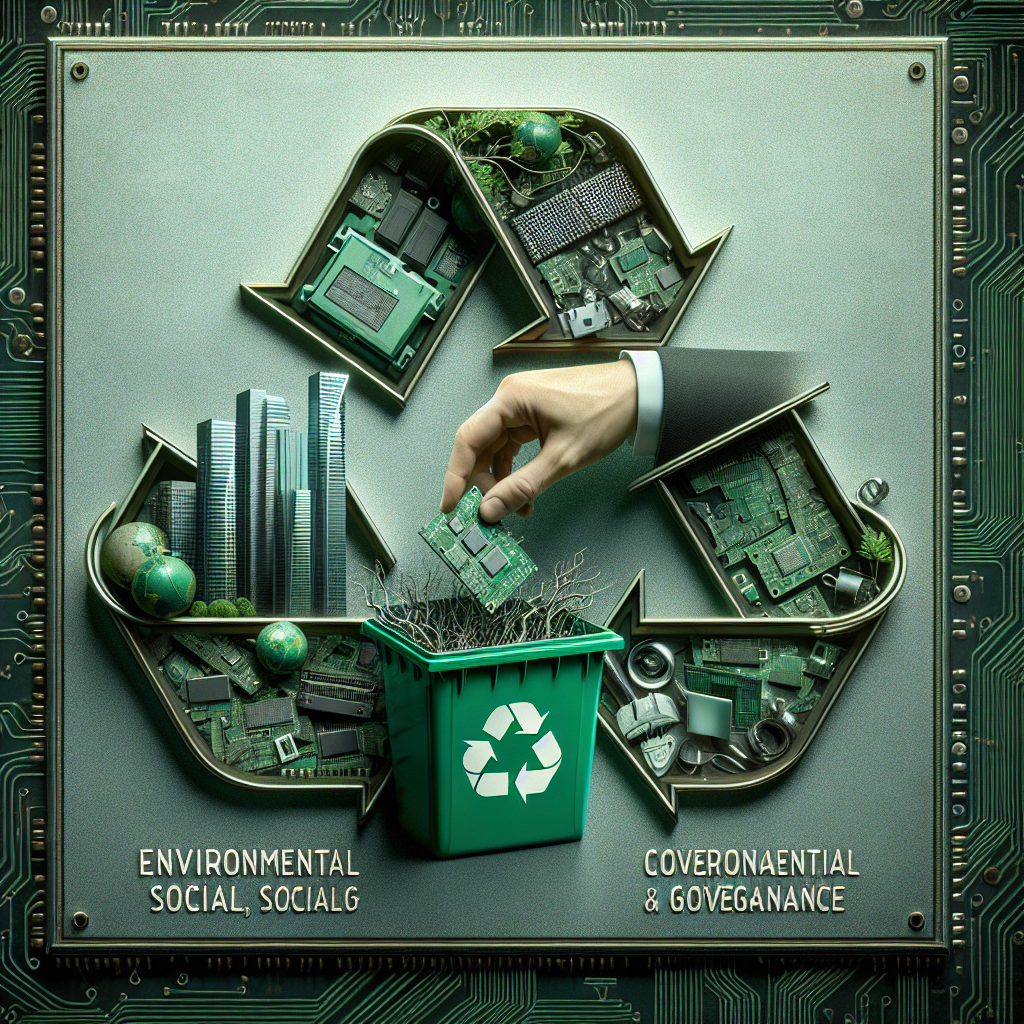
GRI 306: how to report e-waste in corporate ESG
Understanding GRI 306 and its importance in ESG
GRI 306 is an internationally recognized standard for waste management and reporting, including electronic waste. Integrating this standard into the ESG (Environmental, Social and Governance) strategy is key to ensuring transparency and environmental responsibility in corporate initiatives.
What is electronic waste and its environmental impact
Electronic waste is discarded electronic equipment that is no longer useful or functional. This waste contains toxic materials such as lead, mercury and cadmium, which can cause significant damage to the environment and human health when not treated properly.
How to report electronic waste according to GRI 306
GRI 306 guides the collection, treatment and proper disposal of all types of waste. To report electronic waste, you must follow some essential steps:
- Identification and classification: Map all electronic waste generated during the operating cycle.
- Quantification: Measure the volume or weight of electronic waste produced in specific periods.
- Final destination: Describe the methods used for disposal, recycling or reuse, ensuring environmental compliance.
- Impact and mitigation: Report measures adopted to minimize the generation of this waste and its environmental impacts.
Integrating e-waste management into the ESG strategy
Responsible e-waste management strengthens environmental governance, one of the ESG pillars. In addition to complying with current legislation, it promotes the circular economy through the recovery and recycling of materials, reducing the extraction of natural resources and the emission of pollutants.
Benefits of reporting electronic waste based on GRI 306
Adopting the GRI 306 standard for reporting provides greater credibility in sustainability practices, improves the institutional image before investors and stakeholders and reduces risks associated with penalties for improper disposal.
Tools and good practices for efficient reporting
Using digital monitoring systems, carrying out periodic environmental audits and promoting training for teams are effective strategies for guaranteeing accurate and consistent data in the preparation of reports.
Conclusion
Complying with the GRI 306 guidelines for reporting electronic waste is an essential step towards deepening the commitment to ESG practices, promoting sustainability, transparency and social and environmental responsibility in organizations.
ManifestTransparency & Security Manifesto
Evidence and transparency: Our ESG approach is built on traceable documentation, verifiable records and auditable operational criteria. We turn electronic waste management into operational evidence to support governance, traceability and the mitigation of environmental, documentary and corporate risks. Documentary security and compliance: Documented traceability helps reduce regulatory exposure, strengthens documentary defensibility and supports alignment with applicable environmental policies, corporate contracts and governance requirements, including national and international references relevant to supply chains. Operational costing of reverse logistics: Door-to-door collection and responsible processing of electronic waste involve relevant logistics, technical and documentary costs. For this reason, Ecobraz structures transparent operational costing models linked to reverse logistics execution, with no promise of financial return, investment or asset appreciation. Governance: Operational execution is guided by compliance, traceability and verifiable documentation criteria. The priority is to strengthen the client’s corporate evidence, reduce documentary gaps and support safer, more responsible and defensible disposal decisions.

Deixe um comentário
O seu endereço de e-mail não será publicado. Campos obrigatórios são marcados com *