Blog Ecobraz Eigre
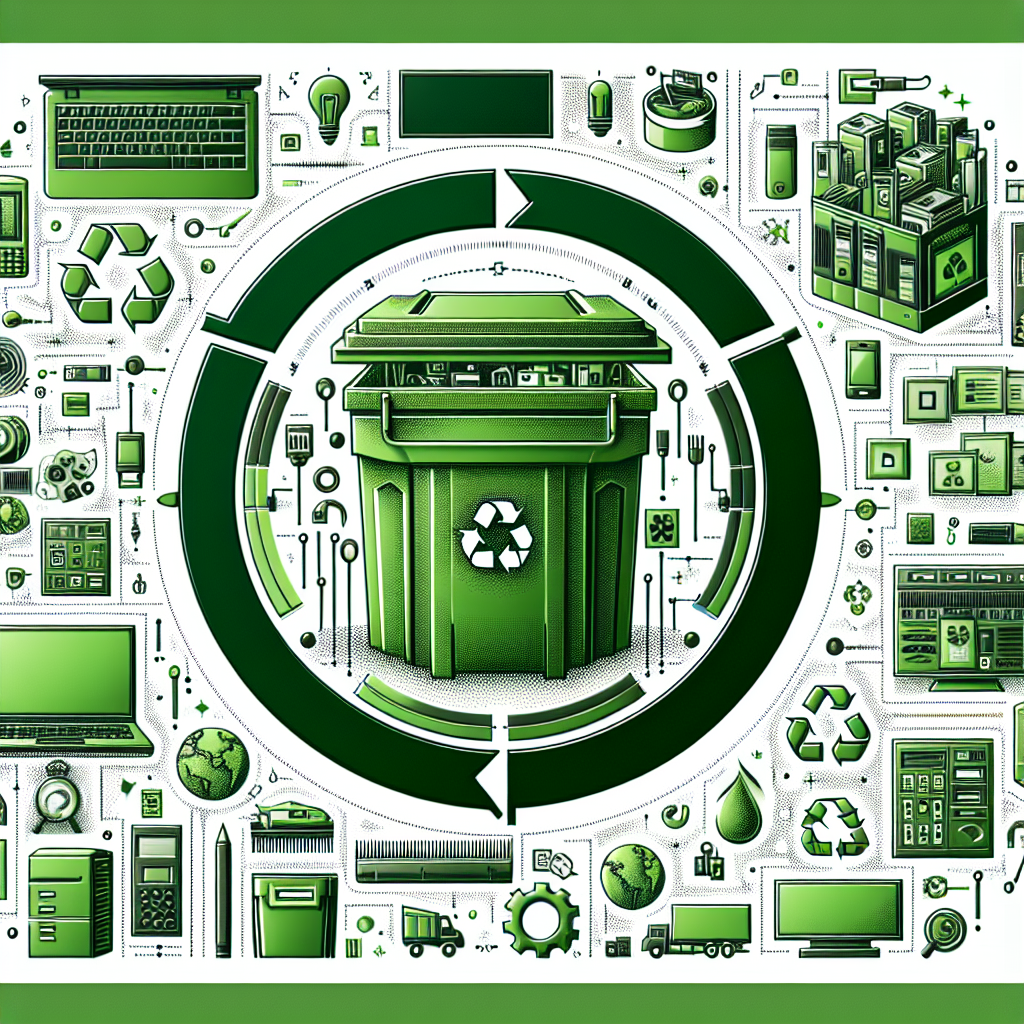
National e-waste data hub: Ecobraz proposal for governments
Introduction to the National E-waste Data Hub
The growing generation of electronic waste demands integrated solutions for efficient and sustainable management. The proposal for the national e-waste data hub, developed by Ecobraz, aims to centralize essential information to improve public policy, monitoring and inspection of electronic waste in Brazil, in accordance with current legislation.
Legal Context and Need for Integrated Data
The management of electronic waste is supported by the National Solid Waste Policy - PNRS (Law No. 12.305/2010), which establishes guidelines for collection, treatment and environmentally appropriate final disposal. According to the National Solid Waste Management Information System (SINIR) set up by sinir.gov.br, standardization and access to data are fundamental to meeting environmental targets.
Ecobraz's Data Hub proposal
Ecobraz proposes the creation of an integrated platform capable of receiving, processing and making available technical and logistical information on the flow of electronic waste throughout the country. This solution supports government bodies in monitoring the volumes generated, collection and environmentally correct disposal, promoting transparency and agility in decision-making.
Benefits for Governments and Sectors Involved
The hub enables the efficient application of public policies, facilitating the control of legal obligations, avoiding irregular disposal and stimulating the circular economy. It also enables integration with municipal and state systems, guaranteeing compliance with environmental regulations and facilitating logistics planning for the collection of electronic waste (electronic waste scheduling).
Technical and Information Security Aspects
The database will be structured following information security protocols, guided by national and international standards, such as those published by NIST (nvlpubs.nist.gov and csrc.nist.gov), guaranteeing data integrity and protection against unauthorized access. This security is fundamental especially in the context of the safe disposal of hard drives and media, ensuring proper destruction and sanitization (electronic scheduling).
Relevance to Sustainability and Circular Economy
The hub contributes to meeting the objectives of the PNRS, encouraging reverse logistics and the correct disposal of waste, reducing environmental impact and promoting the reuse of materials, minimizing the need to extract natural resources.
Next Steps for Implementation
It is recommended that government bodies, in partnership with regulatory bodies and Ecobraz's technical sector, formalize cooperation protocols to make the system's implementation feasible at a national level. The standardization of information and investment in technological infrastructure will be decisive for the success of the project.
ManifestTransparency & Security Manifesto
Evidence and transparency: Our ESG approach is built on traceable documentation, verifiable records and auditable operational criteria. We turn electronic waste management into operational evidence to support governance, traceability and the mitigation of environmental, documentary and corporate risks. Documentary security and compliance: Documented traceability helps reduce regulatory exposure, strengthens documentary defensibility and supports alignment with applicable environmental policies, corporate contracts and governance requirements, including national and international references relevant to supply chains. Operational costing of reverse logistics: Door-to-door collection and responsible processing of electronic waste involve relevant logistics, technical and documentary costs. For this reason, Ecobraz structures transparent operational costing models linked to reverse logistics execution, with no promise of financial return, investment or asset appreciation. Governance: Operational execution is guided by compliance, traceability and verifiable documentation criteria. The priority is to strengthen the client’s corporate evidence, reduce documentary gaps and support safer, more responsible and defensible disposal decisions.

Deixe um comentário
O seu endereço de e-mail não será publicado. Campos obrigatórios são marcados com *