Blog Ecobraz Eigre
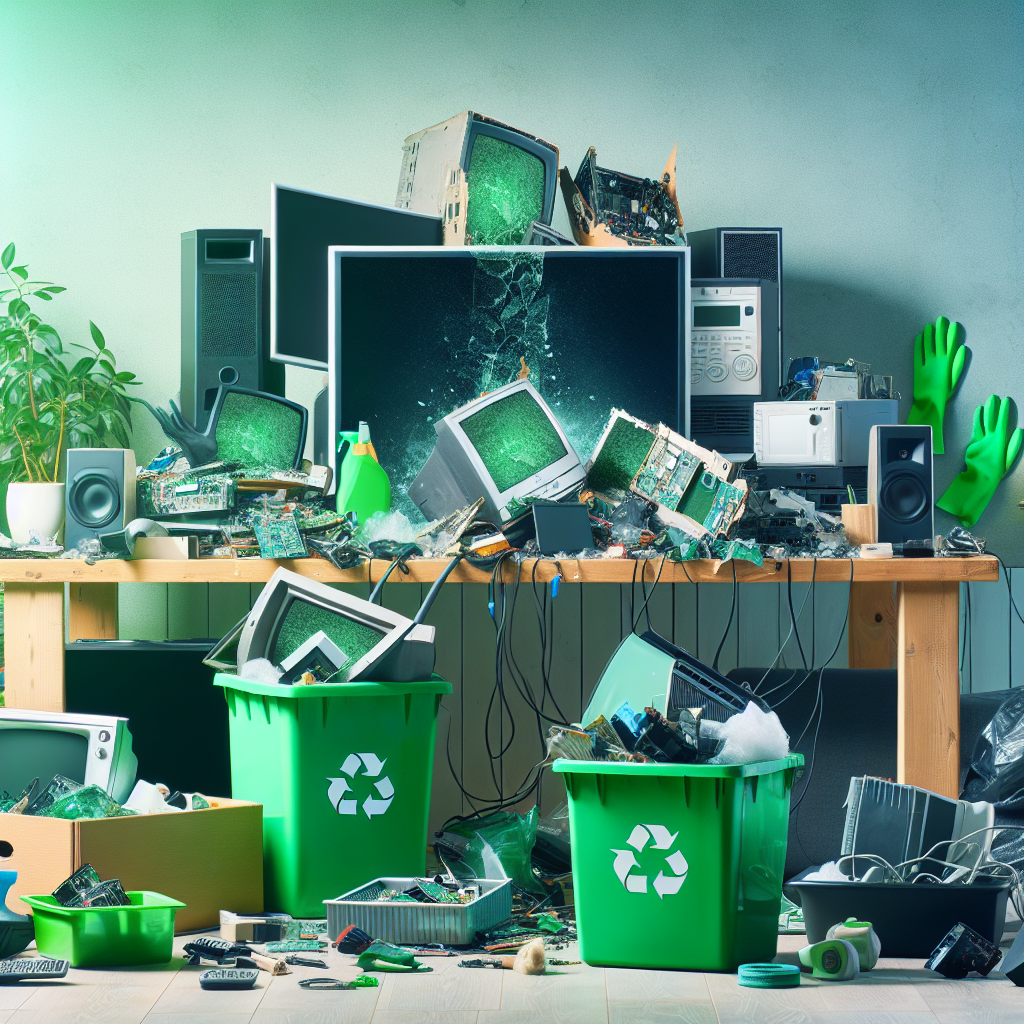
Cleaning the House: Where to Take Broken Electronics Today
Introduction to Electronic Equipment Disposal
The proper disposal of broken electronics is crucial for environmental preservation and the security of personal and corporate data. Brazilian guidelines for managing this waste are established by specific laws aimed at minimizing environmental impacts and preventing risks to public health.
Legislation Applicable to Electronic Equipment Disposal
According to Law No. 12.305/2010 (National Solid Waste Policy), environmentally appropriate disposal of electronic waste is mandatory, aiming to prevent soil and water resource contamination. Furthermore, the National Solid Waste Policy and its complementary instruments reinforce the shared responsibility throughout the life cycle of electronic products.
Places for Proper Disposal of Broken Electronics
To carry out proper disposal, it is essential to send the equipment to authorized collection points. The electronic waste collection scheduling service offers specialized solutions for the pickup and correct destination of these materials, ensuring compliance with environmental regulations.
Sanitization and Secure Disposal of Media and Hard Drives
Equipment that stores sensitive data, such as hard drives and other digital media, requires specific decontamination processes to prevent information leaks. The secure disposal of media and hard drives scheduling procedure uses certified techniques that guarantee the permanent deletion of data and the proper disposal of physical components.
Collection and Treatment Procedures
After collection, electronics undergo steps such as dismantling, sorting, and recycling, following technical standards to avoid environmental risks. Agencies such as CETESB regulate and oversee this chain, ensuring proper execution of the processes.
Consumers' Responsibilities
It is essential that consumers adopt conscious practices, always seeking appropriate places to discard obsolete equipment. Complying with legal guidelines contributes to sustainability and prevents penalties foreseen by law.
Final Considerations
The proper disposal of broken electronics is a legal and environmental imperative to minimize damage. Using collection points with electronic waste collection scheduling and certified processes of HD and media sanitization ensures compliance with Brazilian legislation and environmental preservation.
ManifestTransparency & Security Manifesto
Evidence and transparency: Our ESG approach is built on traceable documentation, verifiable records and auditable operational criteria. We turn electronic waste management into operational evidence to support governance, traceability and the mitigation of environmental, documentary and corporate risks. Documentary security and compliance: Documented traceability helps reduce regulatory exposure, strengthens documentary defensibility and supports alignment with applicable environmental policies, corporate contracts and governance requirements, including national and international references relevant to supply chains. Operational costing of reverse logistics: Door-to-door collection and responsible processing of electronic waste involve relevant logistics, technical and documentary costs. For this reason, Ecobraz structures transparent operational costing models linked to reverse logistics execution, with no promise of financial return, investment or asset appreciation. Governance: Operational execution is guided by compliance, traceability and verifiable documentation criteria. The priority is to strengthen the client’s corporate evidence, reduce documentary gaps and support safer, more responsible and defensible disposal decisions.

Deixe um comentário
O seu endereço de e-mail não será publicado. Campos obrigatórios são marcados com *