Blog Ecobraz Eigre
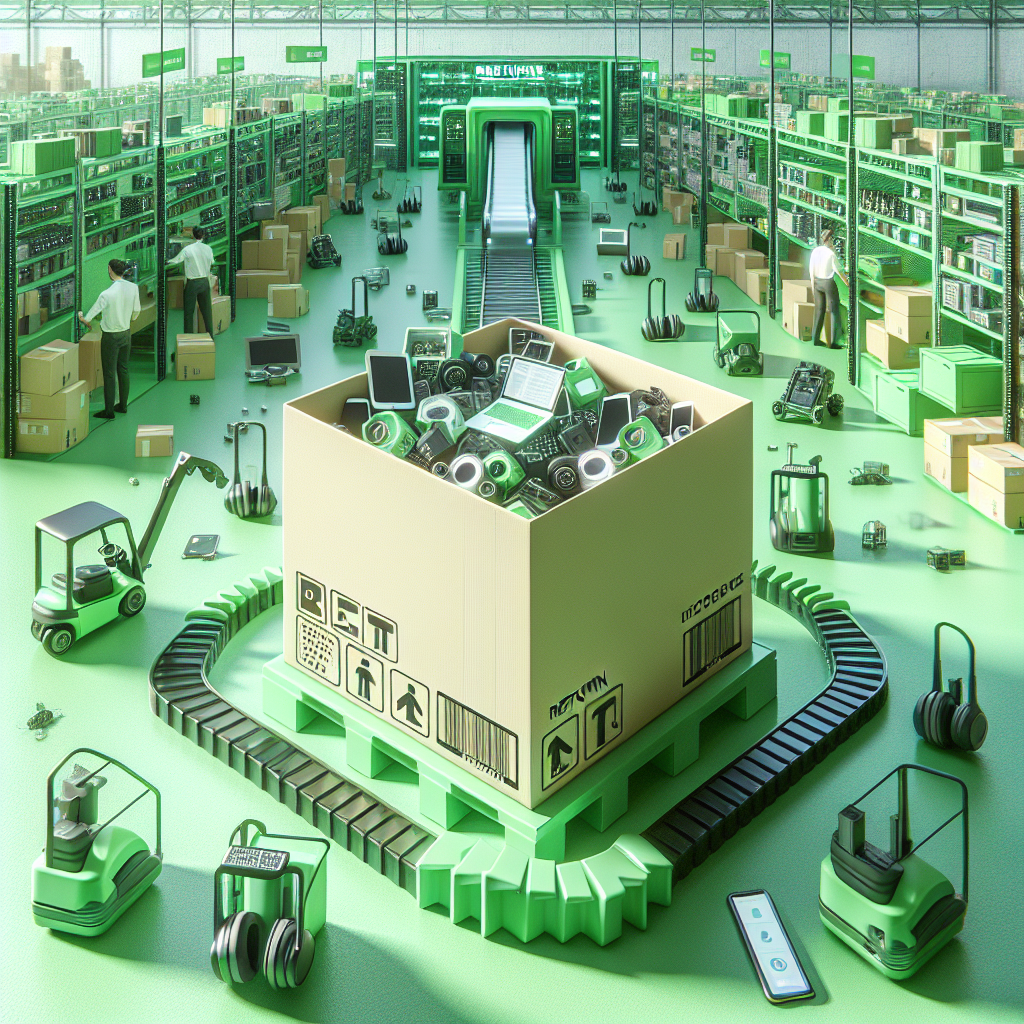
Reverse logistics in e-commerce: how to structure the return of electronic products
Reverse logistics is essential in e-commerce to ensure the efficient return of electronic products, minimizing environmental impacts and optimizing costs. Learn how to structure this process in a practical and effective way.
Understanding reverse logistics in e-commerce
Reverse logistics consists of managing the flow of products that return to their point of origin, whether due to returns, exchanges, warranty or disposal. In the context of e-commerce, especially with electronic products, this process is essential to capture value from these products, avoid improper disposal and meet legal requirements.
Challenges in the return of electronic products
Electronic products present specific challenges in reverse logistics, such as the need for careful handling due to their fragility, the environmental risk in the event of incorrect disposal and the complexity in assessing the state of the product for possible reuse, recycling or disposal.
How to structure the reverse logistics process
1. Defining clear return policies
Establishing specific rules for the return of electronic products helps to organize the flow, inform customers and facilitate internal processing. These policies should cover deadlines, product conditions and responsibilities.
2. Integration with management systems
Using integrated technological systems allows returns to be monitored in real time, facilitates sorting and generates reports that help optimize the process and reduce costs.
3. Specialized partnerships for recycling and disposal
Making partnerships with collection points, recyclers and environmental treatment units ensures that returned electronic products are treated correctly, respecting current legislation and promoting sustainability.
4. Staff training
Training the staff involved to identify product types, conditions and the appropriate destination contributes to the success of the reverse logistics process.
5. Clear communication with the customer
Informing customers about procedures, deadlines and return options helps to reduce doubts, improve the shopping experience and facilitate reverse logistics.
Benefits of reverse logistics in e-commerce
- Cost reduction: reusing and recovering products reduces acquisition and disposal costs.
- Sustainability: avoids improper disposal and contributes to environmental preservation.
- Customer loyalty: an agile and transparent process creates trust and satisfaction.
- Legal compliance: complying with regulations avoids penalties and strengthens reputation.
Conclusion
Reverse logistics for electronic products in e-commerce requires strategic planning involving clear policies, technology, partnerships and training. This structuring not only protects the environment, but also adds value to the business, offering competitive advantages.
ManifestTransparency & Security Manifesto
Evidence and transparency: Our ESG approach is built on traceable documentation, verifiable records and auditable operational criteria. We turn electronic waste management into operational evidence to support governance, traceability and the mitigation of environmental, documentary and corporate risks. Documentary security and compliance: Documented traceability helps reduce regulatory exposure, strengthens documentary defensibility and supports alignment with applicable environmental policies, corporate contracts and governance requirements, including national and international references relevant to supply chains. Operational costing of reverse logistics: Door-to-door collection and responsible processing of electronic waste involve relevant logistics, technical and documentary costs. For this reason, Ecobraz structures transparent operational costing models linked to reverse logistics execution, with no promise of financial return, investment or asset appreciation. Governance: Operational execution is guided by compliance, traceability and verifiable documentation criteria. The priority is to strengthen the client’s corporate evidence, reduce documentary gaps and support safer, more responsible and defensible disposal decisions.

Deixe um comentário
O seu endereço de e-mail não será publicado. Campos obrigatórios são marcados com *