Blog Ecobraz Eigre
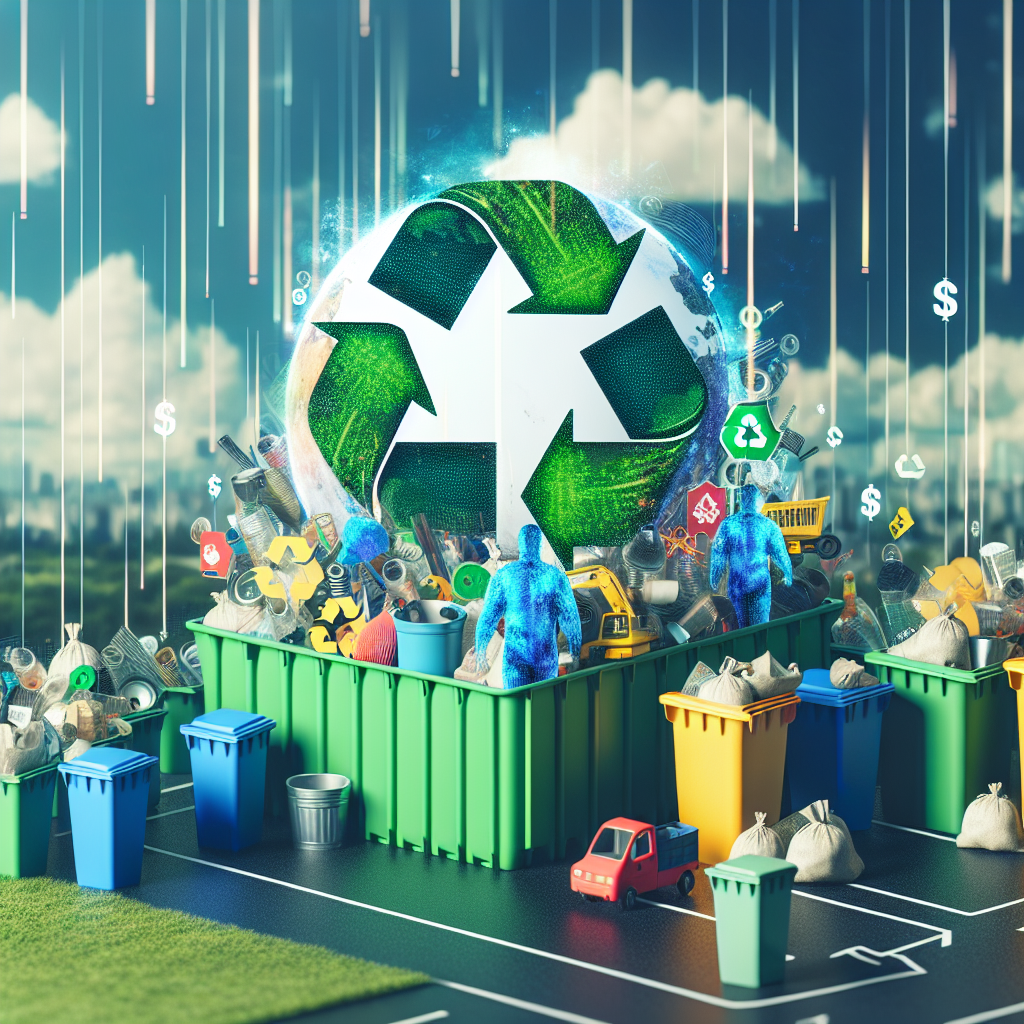
"Global recycling market exceeds US$600 billion - what this means for Brazil"
Global Overview of the Recycling Market
The global recycling market recently reached the US$600 billion mark, consolidating its position as a strategic sector for sustainable development and the circular economy. This growth reflects the growing demand for recycled resources, regulatory pressures and technological advances in the recycling chain.
Impacts for Brazil
For Brazil, this global expansion represents a significant opportunity to strengthen solid waste management in the country and increase participation in the international market. According to data from the Ministry of the Environment and the National Solid Waste Policy (Law No. 12.305/2010), the development of efficient recycling systems is crucial for reducing the volume of waste sent to landfills and for protecting natural resources.
Challenges and Potential of the Sector in Brazil
Brazil faces significant challenges, such as the fragmentation of selective collection, the low recycling rate of urban waste and the need to invest in adequate infrastructure. According to the National Solid Waste Management Information System (SINIR), more than 70% of solid waste is still sent to dumps and controlled landfills, negatively impacting environmental sustainability.
However, the scenario is also promising: current legislation, including the National Solid Waste Policy, encourages the implementation of sustainable production chains, involving cooperatives and reverse logistics initiatives. In addition, growing environmental awareness and digitalization make it easier to monitor processes and access qualified information.
Strategic Sectors and Applied Technologies
Technological advances in the recovery and processing of recyclable materials increase the sector's efficiency. Electronic waste management stands out, requiring strict protocols for collection and safe disposal, according to the guidelines available on the website electronics scheduling.
For the safe disposal of storage devices, such as hard drives, the Brazilian market has adopted advanced digital sanitization processes, ensuring compliance with data protection standards, detailed at electronics scheduling.
Final Thoughts
The growth of the global recycling market to over US$600 billion represents an opportunity for Brazil to expand its environmental management capacity and generate sustainable economic value. Adherence to current regulations, investment in infrastructure and the adoption of advanced technologies are key elements in seizing this moment and contributing to an effective circular economy.
ManifestTransparency & Security Manifesto
Evidence and transparency: Our ESG approach is built on traceable documentation, verifiable records and auditable operational criteria. We turn electronic waste management into operational evidence to support governance, traceability and the mitigation of environmental, documentary and corporate risks. Documentary security and compliance: Documented traceability helps reduce regulatory exposure, strengthens documentary defensibility and supports alignment with applicable environmental policies, corporate contracts and governance requirements, including national and international references relevant to supply chains. Operational costing of reverse logistics: Door-to-door collection and responsible processing of electronic waste involve relevant logistics, technical and documentary costs. For this reason, Ecobraz structures transparent operational costing models linked to reverse logistics execution, with no promise of financial return, investment or asset appreciation. Governance: Operational execution is guided by compliance, traceability and verifiable documentation criteria. The priority is to strengthen the client’s corporate evidence, reduce documentary gaps and support safer, more responsible and defensible disposal decisions.

Deixe um comentário
O seu endereço de e-mail não será publicado. Campos obrigatórios são marcados com *