Blog Ecobraz Eigre
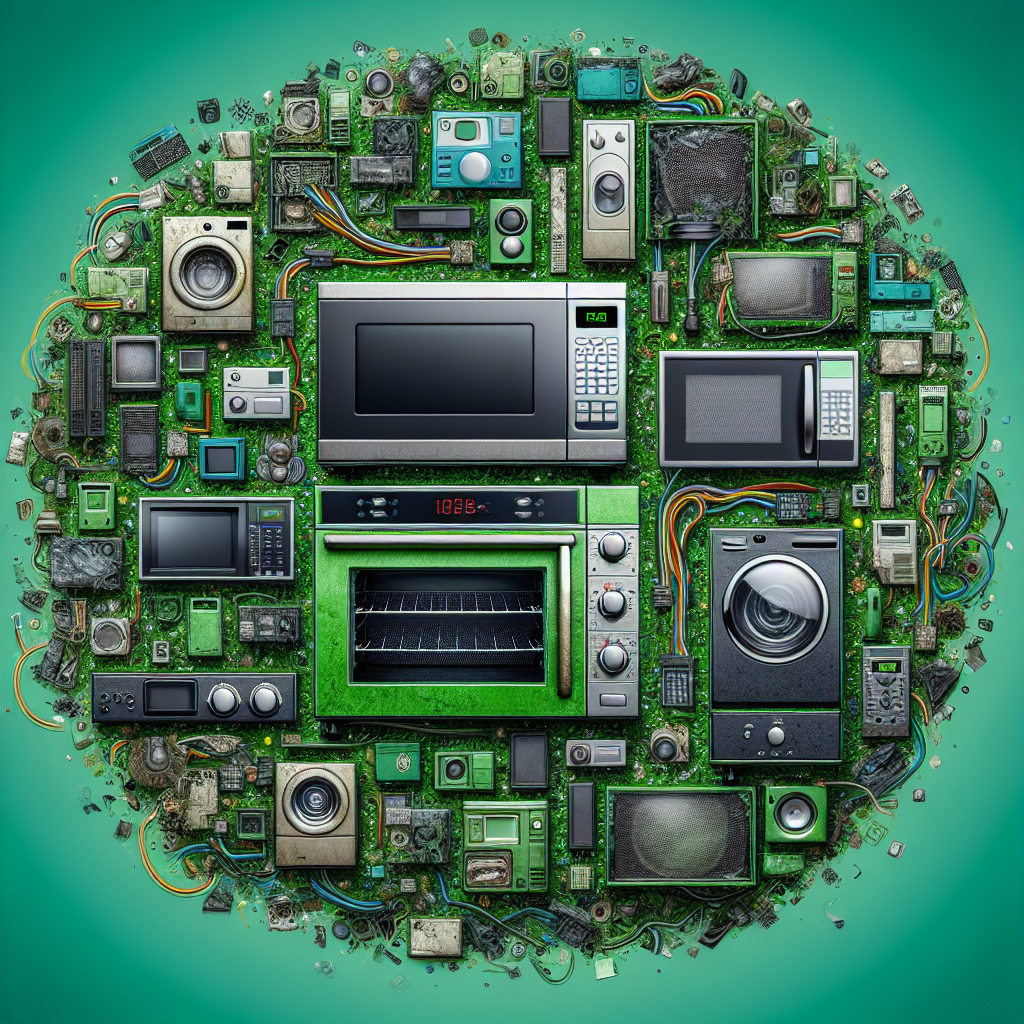
Are microwaves and electric ovens e-waste?
The correct disposal of microwaves and electric ovens is crucial for environmental preservation and the reuse of materials. Understand the challenges and solutions for the e-waste generated by these household appliances.
What is e-waste?
The term e-waste refers to electronic waste, which encompasses discarded electronic appliances, including microwaves and electric ovens. This equipment contains components that can be harmful to the environment if disposed of incorrectly, as well as valuable materials that can be recycled.
Microwaves and electric ovens: characteristics and components
Microwaves and electric ovens contain electronic components, circuits, metals and plastics. Among the materials, copper, aluminum and printed circuit boards stand out. The presence of parts such as magnetrons in microwaves and resistors in electric ovens makes their disposal more complex.
Challenges in disposing of this equipment
Inappropriate disposal of microwaves and electric ovens can cause soil and water contamination due to substances present in their components. In addition, the volume and weight of these appliances make them difficult to transport and package for recycling.
Environmental impact of incorrect disposal
When disposed of in inappropriate places, these appliances can release toxic substances such as heavy metals and flame retardants, which affect ecosystems and human health. The accumulation of this waste in garbage dumps and irregular landfills exacerbates environmental problems.
Solutions for correct disposal
Suitable disposal involves specific collection points for e-waste, as well as reverse logistics programs that guarantee that it is sent for recycling or reuse. Informing the population about the importance of correct disposal is essential.
Benefits of recycling microwaves and electric ovens
Recycling this equipment allows valuable raw materials to be recovered, reduces the consumption of natural resources and reduces pollution. In addition, it promotes the circular economy, creating jobs and fostering sustainable development.
How to dispose of microwaves and electric ovens correctly?
Check collection points or municipal electronics collection programs. Never dispose of them in ordinary garbage or unofficial sites. If you buy new equipment, some stores offer the service of collecting old equipment.
Conclusion
Microwaves and electric ovens, despite appearing to be simple household appliances, are considered e-waste and deserve special attention when disposed of. The proper handling of this waste contributes to environmental preservation and the responsible reuse of resources.
ManifestTransparency & Security Manifesto
Evidence and transparency: Our ESG approach is built on traceable documentation, verifiable records and auditable operational criteria. We turn electronic waste management into operational evidence to support governance, traceability and the mitigation of environmental, documentary and corporate risks. Documentary security and compliance: Documented traceability helps reduce regulatory exposure, strengthens documentary defensibility and supports alignment with applicable environmental policies, corporate contracts and governance requirements, including national and international references relevant to supply chains. Operational costing of reverse logistics: Door-to-door collection and responsible processing of electronic waste involve relevant logistics, technical and documentary costs. For this reason, Ecobraz structures transparent operational costing models linked to reverse logistics execution, with no promise of financial return, investment or asset appreciation. Governance: Operational execution is guided by compliance, traceability and verifiable documentation criteria. The priority is to strengthen the client’s corporate evidence, reduce documentary gaps and support safer, more responsible and defensible disposal decisions.

Deixe um comentário
O seu endereço de e-mail não será publicado. Campos obrigatórios são marcados com *