Blog Ecobraz Eigre
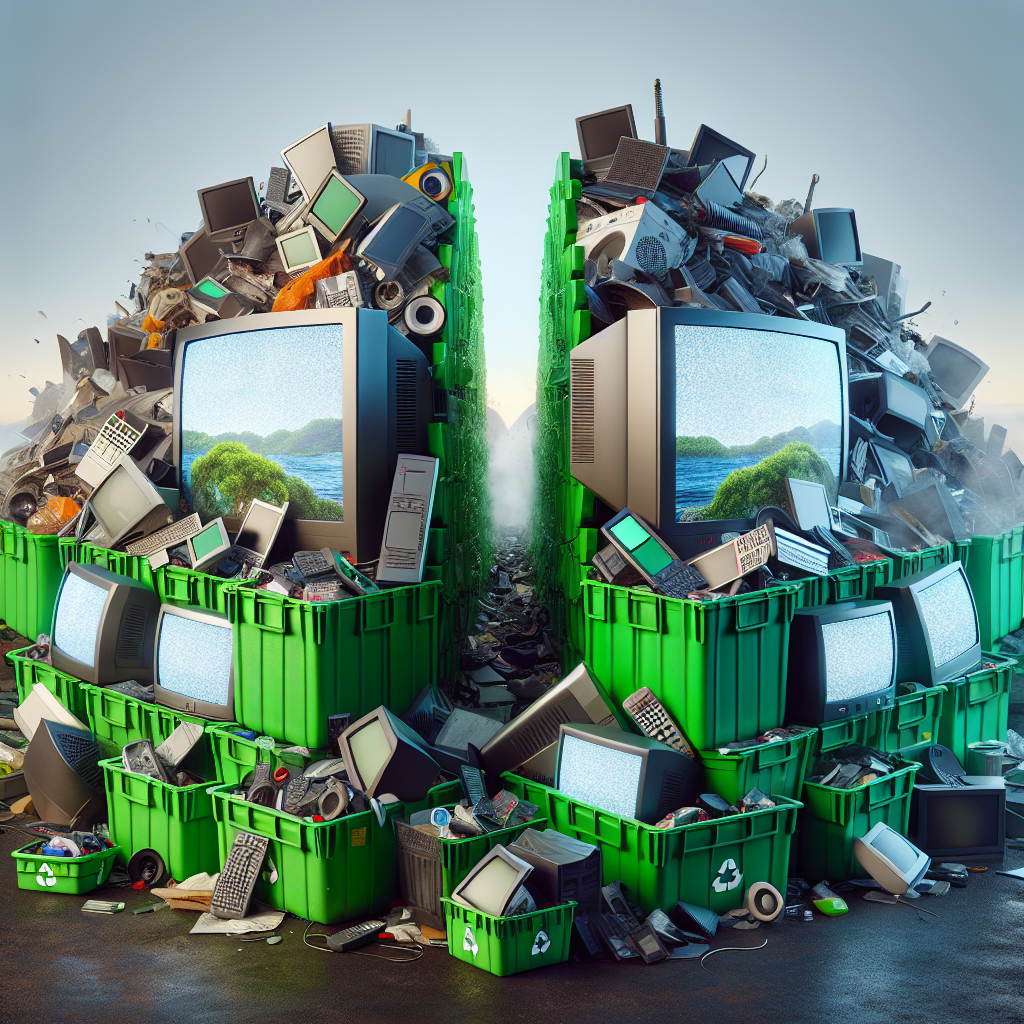
The growth of e-waste in Brazil and worldwide: causes and solutions
Electronic waste is growing rapidly in Brazil and around the world, driven by technological advances and rapid consumption. Understanding the causes and implementing effective solutions is essential to minimizing the environmental and social impacts of this problem.
Causes of the Growth of Electronic Waste
The increase in electronic waste is directly related to constant technological evolution. New devices are launched rapidly and old ones quickly become obsolete. In addition, the popularization of electronic devices, such as smartphones and computers, generates a growing volume of discarded equipment.
Another factor is the culture of immediate consumption and quick disposal, which encourages the premature disposal of still-functional gadgets. Problems such as the lack of proper collection and the absence of clear policies also contribute to the lack of control over electronic waste.
Environmental and Social Impacts of Electronic Waste
When disposed of incorrectly, electronic waste releases toxic substances such as lead, mercury and cadmium, which contaminate soil and water, putting human and animal health at risk. E-waste is often sent to dumps or inappropriate landfills, exacerbating the environmental damage.
In addition, improper handling of this type of waste can expose informal workers to unhealthy conditions, causing serious health problems and social vulnerability.
Solutions to the E-Waste Problem
To combat the growth of e-waste, it is essential to adopt sustainable practices from product design to final disposal. Some important actions include:
- Recycling and Reuse: Implement efficient collection and recycling systems, encouraging the return of used electronics for the reuse of parts and materials.
- Education and Awareness: Inform the population about the dangers of irregular disposal and encourage conscious consumption to increase environmental responsibility.
- Public Policies: Develop and strengthen legislation that promotes shared responsibility between manufacturers, consumers and public authorities.
- Sustainable Design: Encourage the production of durable, recyclable electronics with a lower environmental impact.
The Role of Consumers
Consumers play a fundamental role in reducing electronic waste. By opting for devices with a longer lifespan, using repair services and preferring authorized collection points for disposal, it is possible to minimize the volume of waste generated. In addition, adherence to recycling programs contributes to the sustainable cycle of materials.
Panorama in Brazil and the World
Recent data shows that Brazil produces around 2 million tons of electronic waste per year, occupying a prominent position in the global ranking. Worldwide, production exceeds 50 million tons per year, and only a small part of it is properly disposed of. This points to the urgent need for integrated actions between governments, society and institutions.
Investing in technology to reuse components and strengthening circular economy movements are promising strategies to mitigate this problem.
Conclusion
The growth of e-waste is a complex challenge, caused by rapid technological evolution, consumer habits and failures in the waste management system. To tackle this issue, it is essential that multifaceted solutions are put in place, involving education, public policies, sustainable technologies and the active participation of the population. Only with a joint effort will it be possible to reduce environmental and social impacts and guarantee a more sustainable future.
ManifestTransparency & Security Manifesto
Evidence and transparency: Our ESG approach is built on traceable documentation, verifiable records and auditable operational criteria. We turn electronic waste management into operational evidence to support governance, traceability and the mitigation of environmental, documentary and corporate risks. Documentary security and compliance: Documented traceability helps reduce regulatory exposure, strengthens documentary defensibility and supports alignment with applicable environmental policies, corporate contracts and governance requirements, including national and international references relevant to supply chains. Operational costing of reverse logistics: Door-to-door collection and responsible processing of electronic waste involve relevant logistics, technical and documentary costs. For this reason, Ecobraz structures transparent operational costing models linked to reverse logistics execution, with no promise of financial return, investment or asset appreciation. Governance: Operational execution is guided by compliance, traceability and verifiable documentation criteria. The priority is to strengthen the client’s corporate evidence, reduce documentary gaps and support safer, more responsible and defensible disposal decisions.

Deixe um comentário
O seu endereço de e-mail não será publicado. Campos obrigatórios são marcados com *