Blog Ecobraz Eigre
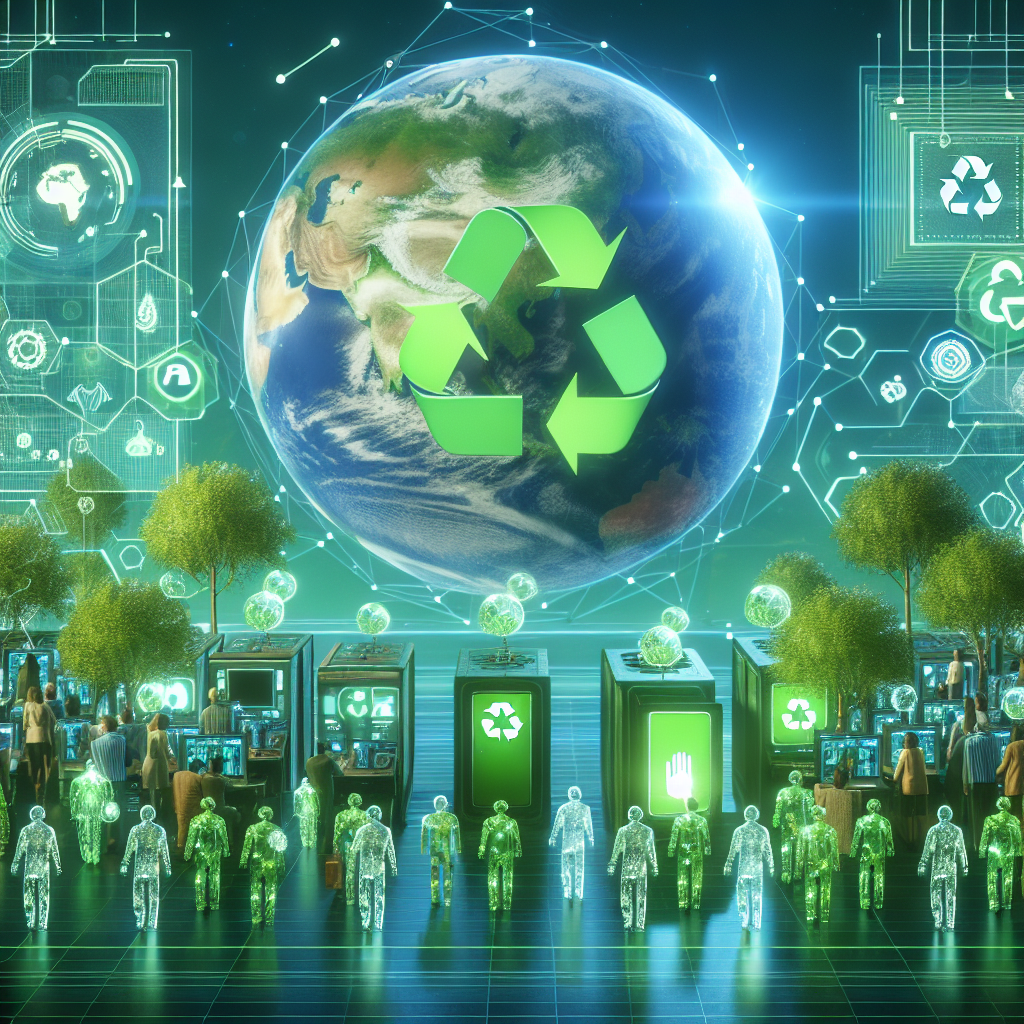
The Future of Global Recycling is Green and Digital - and It Starts with Ecobraz
The future of global recycling is aligned with the green and digital transformation, driven by advanced technologies and sustainable processes. Ecobraz leads these innovations, promoting efficient and regulated practices in accordance with Brazilian legislation, contributing to a responsible and safe recycling cycle.
Legal Context for Recycling in Brazil
Brazilian legislation establishes solid foundations for waste management and recycling, as provided for in Law No. 12.305/2010, which establishes the National Solid Waste Policy (PNRS). This law emphasizes shared responsibility for the life cycle of products, including collection, transport, treatment and environmentally appropriate final disposal (Law No. 12.305/2010).
Incorporating Digital Technology in Recycling
The digitalization of waste management processes allows for greater traceability, control and operational efficiency. Online platforms and digital tools facilitate registration, sorting, collection and proper disposal, ensuring transparency and compliance with current regulations (National Solid Waste Management Information System (SINIR)).
Sustainable Practices Applied by Ecobraz
Ecobraz adopts modern technological processes to transform the management of electronic waste, including specialized collection and reverse logistics. The initiative reinforces the importance of the circular economy, minimizes environmental impacts and generates value in the waste chain.
Safe Collection of Electronic Waste
To facilitate the conscious disposal of electronic equipment, Ecobraz offers a scheduling for the collection of electronic waste, ensuring proper transportation and processing in accordance with the requirements of SINIR and other environmental regulations (SINIR).
Secure Disposal of Storage Devices
To guarantee the protection of sensitive data, Ecobraz offers the service of scheduling for the sanitization of hard drives and digital media, meeting the requirements of the General Personal Data Protection Act (LGPD) and promoting the safe and environmentally appropriate destruction of devices (LGPD - Law No. 13.709/2018).
Impacts for the Corporate and Environmental Sector
Organizations that adopt green and digital recycling practices have better regulatory compliance, reduced disposal costs and mitigated legal risks. In addition, they promote environmental sustainability, aligning themselves with global demands for socio-environmental responsibility and governance (Chamber of Deputies).
Conclusion
The combination of digital and sustainable approaches defines the future of recycling, and Ecobraz is at the forefront of these transformations. The adoption of innovative and regulated solutions represents a crucial step forward for the responsible management of e-waste and for global sustainability.

Deixe um comentário
O seu endereço de e-mail não será publicado. Campos obrigatórios são marcados com *