Blog Ecobraz Eigre
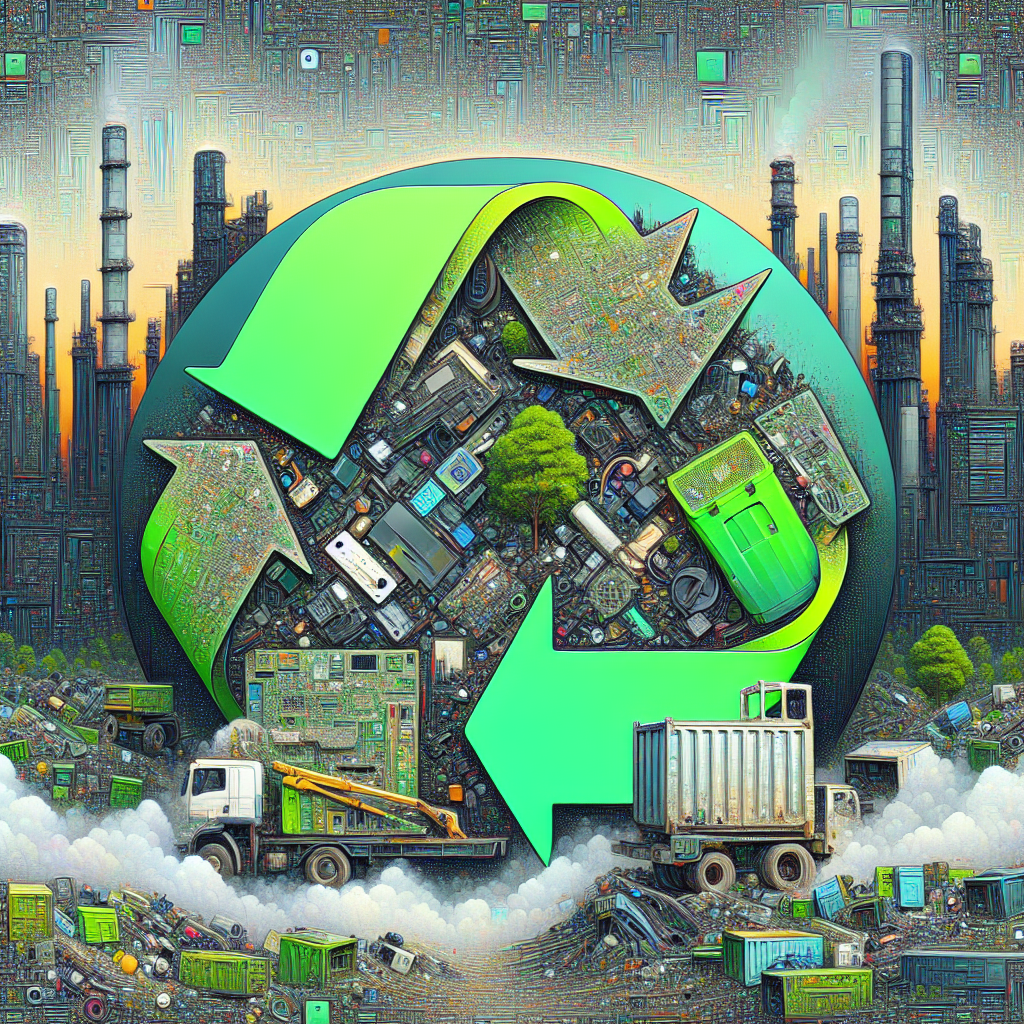
The impact of electronic waste on corporate carbon accounting — and how to reduce scope 3
Introduction to the Impact of Electronic Waste on the Carbon Balance
The improper disposal of electronic equipment generates significant impacts on the carbon balance of organizations, directly affecting Scope 3 of greenhouse gas (GHG) emissions. Considering the life cycle of devices, from use to disposal, efficient management of electronic waste is crucial to mitigating these effects.
Understanding Scope 3 in GHG Emissions
Scope 3 refers to indirect emissions associated with the production chain and the life cycle of the products used, including the disposal of electronic waste. According to the Ministry of the Environment, managing this scope requires coordinated actions to reduce the carbon footprint that is not under the direct control of organizations.
Environmental Consequences of Poor Electronic Waste Management
Electronic equipment contains materials that, if not properly treated, release toxic substances and gases that worsen the greenhouse effect. Moreover, the inadequate decomposition of these wastes in landfills contributes to the increase of methane and carbon dioxide emissions, negatively impacting the carbon balance.
Brazilian Legislation Applied to Electronic Waste Disposal
Brazil regulates the management of electronic waste through Law No. 12,305/2010 (National Solid Waste Policy - PNRS). This law promotes shared responsibility and reverse logistics, requiring actors in the chain to adopt sustainable practices.
Recommended Practices to Reduce the Impact of Electronic Waste
To minimize environmental impact and Scope 3 emissions, several actions are essential, such as:
- Implementing efficient electronic waste collection programs;
- Conducting secure disposal of media and hard drives to prevent data leaks and contamination;
- Prioritizing the reuse and repurposing of equipment in good condition;
- Hiring certified partners for the handling and recycling of electronic waste.
Benefits of Proper Electronic Waste Management for the Carbon Balance
Effective strategies for electronic waste treatment contribute to reducing indirect emissions, promoting decreased environmental impact and compliance with environmental regulations. The adoption of these measures strengthens corporate sustainability and aids in obtaining environmental certifications.
Conclusion
Proper management of electronic waste is essential to control Scope 3 emissions in the carbon balance. Adopting structured and regulated procedures reinforces the commitment to sustainability and mitigates the environmental impacts resulting from the life cycle of electronic equipment.
ManifestTransparency & Security Manifesto
Evidence and transparency: Our ESG approach is built on traceable documentation, verifiable records and auditable operational criteria. We turn electronic waste management into operational evidence to support governance, traceability and the mitigation of environmental, documentary and corporate risks. Documentary security and compliance: Documented traceability helps reduce regulatory exposure, strengthens documentary defensibility and supports alignment with applicable environmental policies, corporate contracts and governance requirements, including national and international references relevant to supply chains. Operational costing of reverse logistics: Door-to-door collection and responsible processing of electronic waste involve relevant logistics, technical and documentary costs. For this reason, Ecobraz structures transparent operational costing models linked to reverse logistics execution, with no promise of financial return, investment or asset appreciation. Governance: Operational execution is guided by compliance, traceability and verifiable documentation criteria. The priority is to strengthen the client’s corporate evidence, reduce documentary gaps and support safer, more responsible and defensible disposal decisions.

Deixe um comentário
O seu endereço de e-mail não será publicado. Campos obrigatórios são marcados com *