Blog Ecobraz Eigre
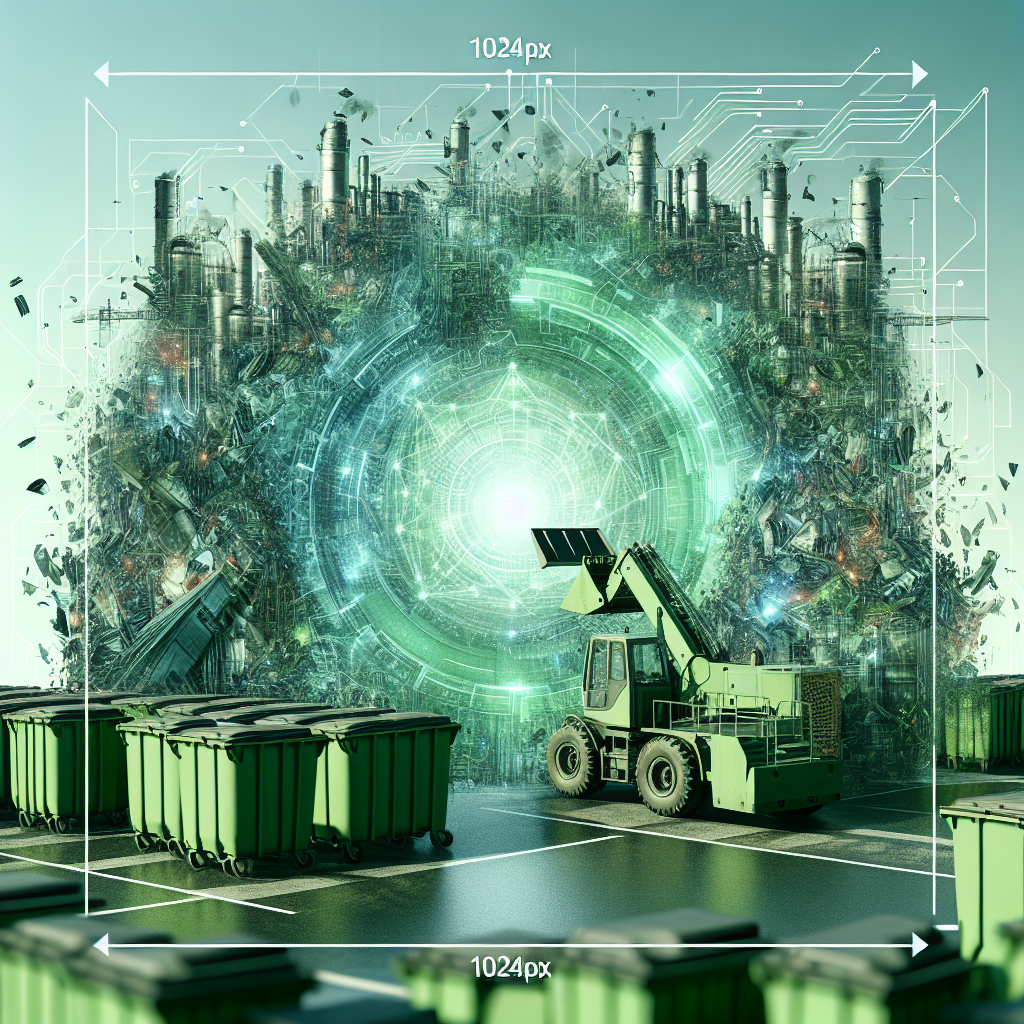
What is a digital twin and how can it simulate the disposal flow?
What is Digital Twin?
Digital Twin is a virtual replica of a physical object, process or system that allows you to simulate, analyze and optimize its behavior in the real world. This technology uses real-time data and advanced models to create an accurate digital representation, enabling continuous monitoring and performance predictions.
Digital Twin operation
The Digital Twin integrates sensors, IoT devices and data analysis systems to capture real-time information from the physical object or process. This information is processed and translated into a digital platform where it is possible to visualize, test scenarios and anticipate failures or improvements. This is thanks to 3D modeling, artificial intelligence and simulations based on historical and current data.
Disposal flow applications
In the context of the disposal flow, Digital Twin can simulate the path that waste takes from generation to final destination. This simulation includes collection, transport, sorting, treatment and disposal or recycling, making it possible to analyse efficiency, identify bottlenecks and optimize processes.
Benefits of simulating the disposal flow
- Optimization of resources: Helps in the efficient allocation of vehicles and equipment, reducing costs and time.
- Reduction of environmental impacts: Makes it possible to predict emissions, incorrect disposal and control the proper destination of waste.
- Improving waste management: Facilitates decision-making based on real data, promoting recycling and reuse.
- Real-time monitoring: Detects faults and enables immediate corrections in the disposal chain.
How Digital Twin simulates the disposal flow
To simulate the disposal flow, Digital Twin incorporates data such as the volume of waste generated, collection times, transport routes, sorting center capacity and environmental regulations. This makes it possible to create models that represent the behavior of the entire system, including variables such as delays, operational failures and seasonality.
These virtual models are continuously tested to evaluate different scenarios, such as an increase in waste generation or changes in collection routes. This makes it possible to assess the impact of these changes before implementing them in the real world, reducing risks and costs.
Practical examples of use
A practical application of Digital Twin in the disposal flow is the simulation of waste truck routes, ensuring that the route is as efficient as possible, avoiding traffic and optimizing fuel consumption. It can also simulate sorting processes to identify where there is the greatest potential for recycling, helping to increase the reuse rate.
In addition, the technology can predict the environmental impact of improper disposal, guiding towards more sustainable practices and ensuring compliance with environmental standards.
Challenges and considerations
Despite the benefits, implementing a Digital Twin for disposal flow simulation requires accurate data collection, integration between different systems and constant updating of information. Operational complexity and initial cost can be barriers, but the return in efficiency and sustainability tends to outweigh these points over time.
It is also essential to invest in data security and privacy, since the technology depends on continuous monitoring and can involve multiple agents and interconnected processes.
Conclusion
The Digital Twin represents a revolution in disposal flow management, offering a detailed, real-time view of the processes involved. Its simulation capabilities make it possible to optimize resources, reduce environmental impacts and improve operational efficiency, making waste management smarter and more sustainable.
ManifestTransparency & Security Manifesto
Evidence and transparency: Our ESG approach is built on traceable documentation, verifiable records and auditable operational criteria. We turn electronic waste management into operational evidence to support governance, traceability and the mitigation of environmental, documentary and corporate risks. Documentary security and compliance: Documented traceability helps reduce regulatory exposure, strengthens documentary defensibility and supports alignment with applicable environmental policies, corporate contracts and governance requirements, including national and international references relevant to supply chains. Operational costing of reverse logistics: Door-to-door collection and responsible processing of electronic waste involve relevant logistics, technical and documentary costs. For this reason, Ecobraz structures transparent operational costing models linked to reverse logistics execution, with no promise of financial return, investment or asset appreciation. Governance: Operational execution is guided by compliance, traceability and verifiable documentation criteria. The priority is to strengthen the client’s corporate evidence, reduce documentary gaps and support safer, more responsible and defensible disposal decisions.

Deixe um comentário
O seu endereço de e-mail não será publicado. Campos obrigatórios são marcados com *