Blog Ecobraz Eigre
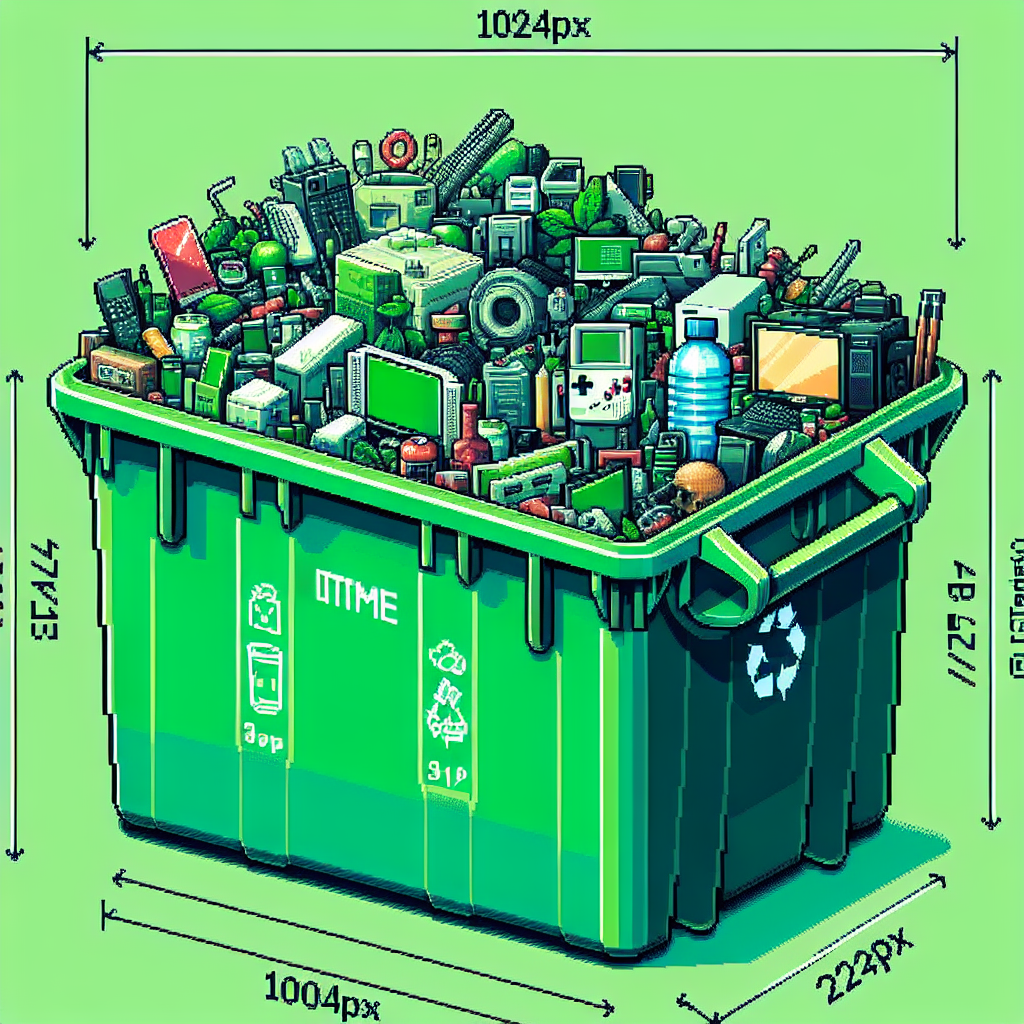
What is not accepted in the same e-waste collection?
Introduction to e-waste disposal
The correct disposal of electronics is essential for the preservation of the environment and public health. However, it is important to understand that not all types of materials can be disposed of in the same e-waste collection, due to the particularities of each waste and the rules that regulate the process.
What is considered e-waste?
E-waste refers to discarded electronic waste and electrical equipment, such as computers, cell phones, televisions, printers and other devices that contain electronic components. These devices have materials that require special handling to avoid contamination and pollution.
Materials not accepted in the same e-waste collection
While e-waste collection is a practical solution for collecting various electronic devices, some materials cannot be collected or mixed in the same process. Here are the main items that are not accepted in the same e-waste collection:
1. Batteries in large quantities
Batteries, especially rechargeable batteries, contain heavy metals and toxic substances. They usually require a specific collection and recycling process separate from the rest of the waste to avoid contamination.
2. Fluorescent lamps and other hazardous waste
Fluorescent lamps, neon tubes and other items containing mercury and toxic chemicals should not be mixed with ordinary e-waste, as they can release hazardous pollutants if broken.
3. Organic and household waste
Ordinary household waste and organic waste are not part of e-waste and are not accepted for electronics collection, as they contaminate the recycling process and make it difficult to separate reusable materials.
4. Bulky equipment or equipment with specific components
Some very bulky equipment, such as large air conditioners or industrial machinery, may not be accepted in the e-waste collection for small electronics, as they require specific processes for disassembly and recycling.
5. Wires and cables in large quantities
Cables and wires in large quantities are usually collected in separate processes, such as cable and wire processing, which allows for the efficient recovery of copper and other metals. In general e-waste collection, their acceptance may be limited.
Why are these items excluded?
The exclusion of these materials from general e-waste collection is related to safety, the recycling process and environmental legislation. Mixing hazardous components can lead to health risks for workers, environmental contaminants and make it difficult to correctly reuse the materials.
How to correctly dispose of materials that are not accepted?
To correctly dispose of items that are not accepted in the same e-waste collection, look for specific collection points, such as battery collection points, lamp return programs and voluntary drop-off points for hazardous waste. Always make sure to properly separate waste to facilitate recycling.
Tips for responsible disposal
- Inform yourself about the types of e-waste accepted at each collection.
- Sort waste into categories, such as electronics, batteries and light bulbs.
- Search for specialized sites for the safe disposal of hazardous items.
- Avoid mixing organic and household waste with e-waste.
- Contribute to the circular economy and environmental preservation by disposing of it correctly.
Conclusion
Understanding what is not accepted in the same e-waste collection is fundamental to ensuring correct, sustainable and safe disposal. By following the guidelines for separating and disposing of different types of electronic waste, it is possible to minimize environmental impacts and promote efficient recycling.

Deixe um comentário
O seu endereço de e-mail não será publicado. Campos obrigatórios são marcados com *