Blog Ecobraz Eigre
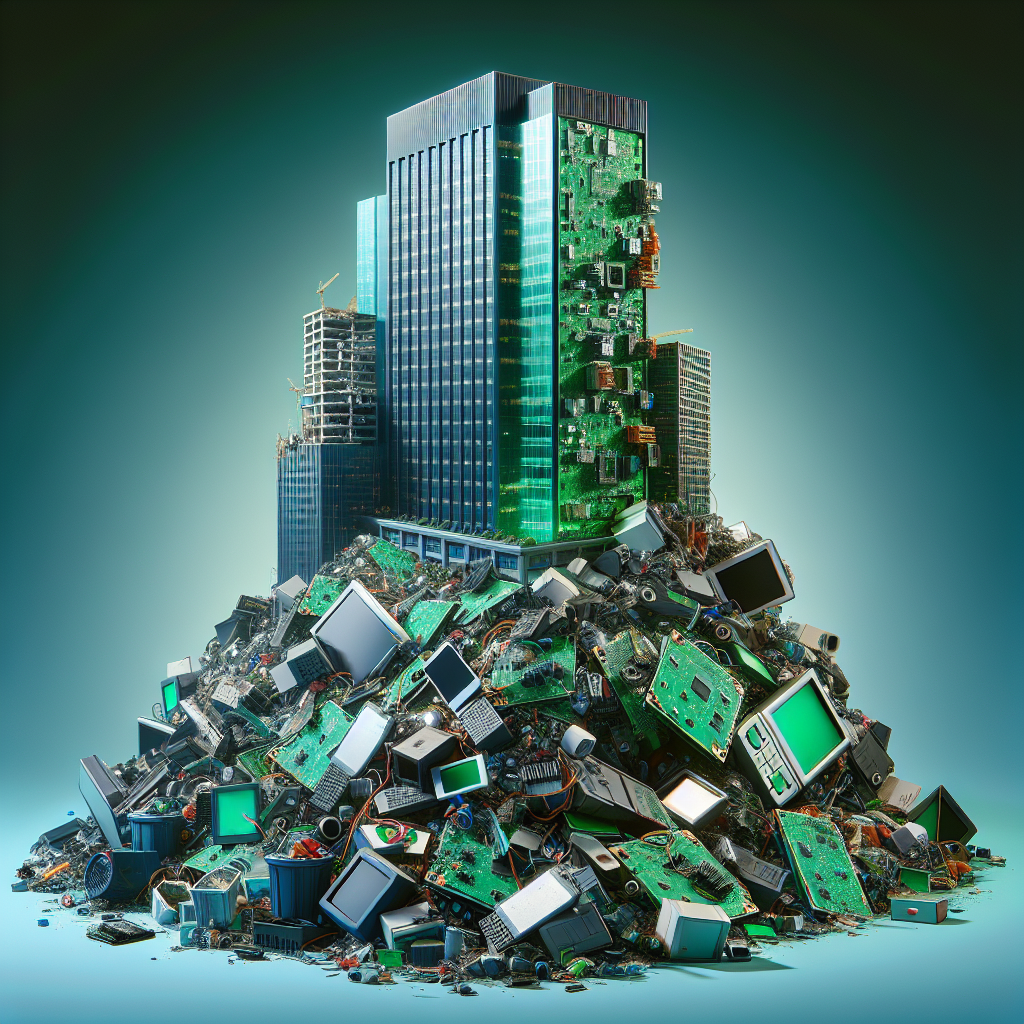
The New Hidden Liabilities of Corporate Electronic Waste and Their Impact on Valuation
Introduction to the hidden liabilities of electronic waste
The improper disposal of electronic waste has become a critical hidden liability in balance sheets, directly influencing the valuation of entities. These liabilities, often underestimated, involve environmental, legal, and financial risks that affect the perceived value before investors and stakeholders.
Legal and regulatory context
According to Law No. 12,305/2010, which establishes the National Solid Waste Policy, clear guidelines are set for the management of electronic waste. The legislation imposes responsibilities regarding the proper handling of this waste, and non-compliance can generate fines and environmental liabilities that directly impact valuation.
Environmental risks associated with improper disposal
Electronic waste contains heavy metals and toxic substances that, if disposed of improperly, can contaminate soils, groundwater, and waterways, causing severe environmental damage. CETESB emphasizes the need for proper management to mitigate damage and risks of environmental liabilities. These environmental contingencies must be internalized in the economic evaluation.
Legal and financial impacts
Law No. 12,305/2010 provides for significant sanctions in case of non-compliance with related environmental regulations. Failure to meet legal obligations results in fines, lawsuits, and damage to reputation, compromising the reliability of the value assigned in asset valuation. Thus, legal liabilities arising from unmanaged electronic waste represent relevant contingencies for investors.
Information and data security risks
Improper disposal of digital media, including HDDs and other storage media, implies critical information security risks. Failure to ensure secure sanitization of electronic devices can expose sensitive data, causing legal liabilities and reputational damage. Compliance with protocols specified in regulations such as the Internet Civil Framework and LGPD is mandatory.
Strategies for liability mitigation
Implementing robust programs for specialized electronic waste collection represents best practice to minimize hidden risks and liabilities. Proper disposal, combined with compliance with legal requirements, reduces environmental, legal, and financial exposure, positively reflecting on valuation.
Conclusion
The hidden liabilities derived from corporate electronic waste constitute a critical factor in asset valuation, affecting not only environmental sustainability but especially financial and reputational aspects. Strict regulatory compliance and the adoption of specialized procedures are essential to mitigate negative impacts on valuation.
ManifestTransparency & Security Manifesto
Evidence and transparency: Our ESG approach is built on traceable documentation, verifiable records and auditable operational criteria. We turn electronic waste management into operational evidence to support governance, traceability and the mitigation of environmental, documentary and corporate risks. Documentary security and compliance: Documented traceability helps reduce regulatory exposure, strengthens documentary defensibility and supports alignment with applicable environmental policies, corporate contracts and governance requirements, including national and international references relevant to supply chains. Operational costing of reverse logistics: Door-to-door collection and responsible processing of electronic waste involve relevant logistics, technical and documentary costs. For this reason, Ecobraz structures transparent operational costing models linked to reverse logistics execution, with no promise of financial return, investment or asset appreciation. Governance: Operational execution is guided by compliance, traceability and verifiable documentation criteria. The priority is to strengthen the client’s corporate evidence, reduce documentary gaps and support safer, more responsible and defensible disposal decisions.

Deixe um comentário
O seu endereço de e-mail não será publicado. Campos obrigatórios são marcados com *