Blog Ecobraz Eigre
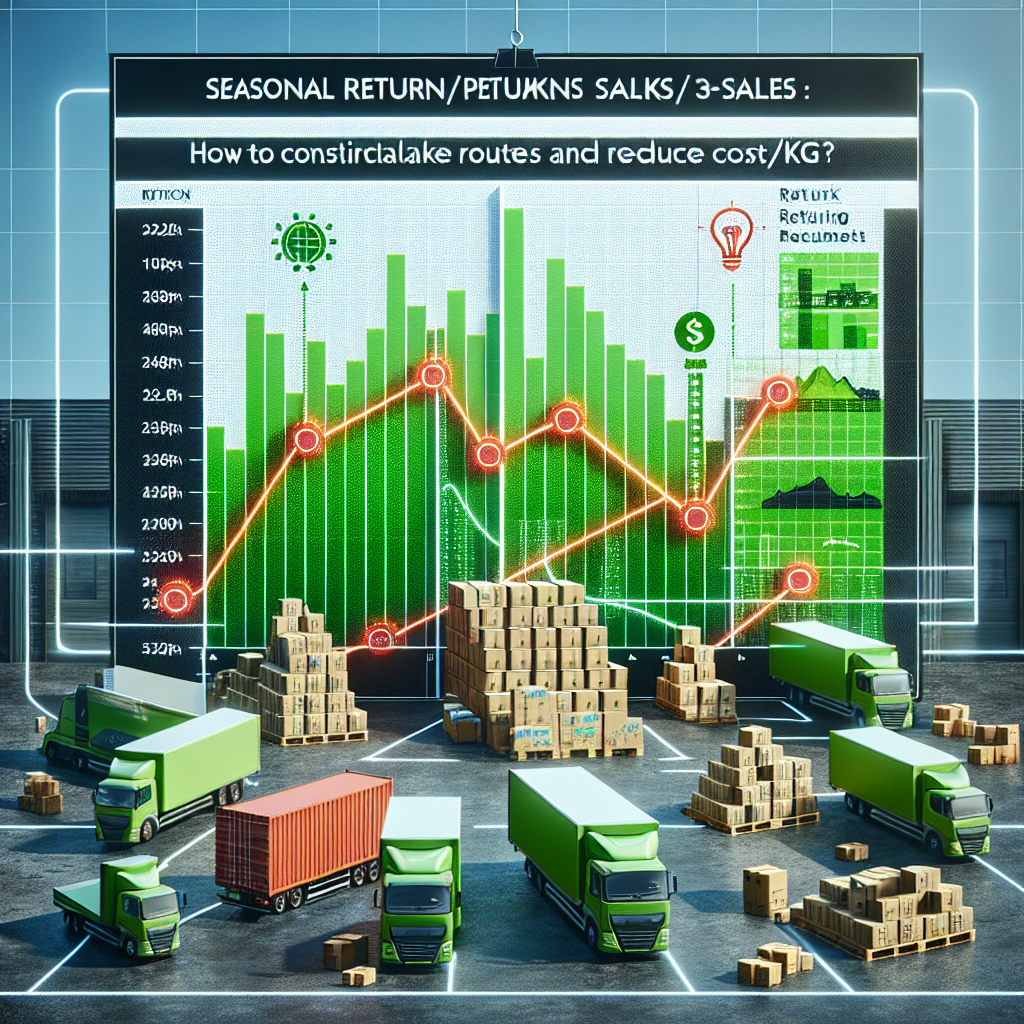
Seasonal peak returns (sales): how to consolidate routes and reduce cost/kg?
Understanding seasonal return peaks
During sales periods, seasonal return peaks increase significantly, directly impacting reverse logistics. These times call for effective strategies to deal with the high volume of returns, especially to optimize the cost per kilogram (kg) of transport.
Importance of route consolidation
Route consolidation is one of the best practices for dealing with the intense flow of returns. By grouping different collection points into a single route, it is possible to reduce the number of journeys, optimize the use of vehicles and lower operating costs, resulting in a lower cost/kg in transport.
How to plan route consolidation for sales
The first step is to map out the demands for returns by region and period. Understanding volumes and the location of points is essential to creating efficient routes. Using routing software can help identify the routes that make the best use of vehicle capacity, avoiding idle trips.
Technology in favor of cost reduction
Digital tools and logistics management systems offer real-time control of routes, allowing dynamic adjustments according to the flow of returns. This technology supports rapid decision-making and underpins smarter consolidation, maximizing vehicle occupancy and guaranteeing on-time deliveries.
Strategic partnerships for optimization
Partnering with local operators can be an efficient way to expand the capillarity of routes without increasing fixed costs. Sharing routes with other operations that handle returns or shipments can bring significant gains, reducing the cost/kg by sharing logistics expenses.
Constant evaluation and adjustments to the operation
Monitoring route performance during seasonal peaks makes it possible to identify bottlenecks and opportunities for improvement. Continuous feedback and analysis of indicators such as delivery time, cost per kilogram and vehicle occupancy rate help to adjust planning for upcoming sales, further optimizing the process.
Benefits of consolidating routes during sales
In addition to the significant reduction in cost/kg, consolidating routes helps to reduce environmental impact, with fewer emissions due to route optimization. It also improves end-customer satisfaction by ensuring that returns are processed quickly and efficiently, strengthening confidence in the logistics process.
ManifestTransparency & Security Manifesto
Evidence and transparency: Our ESG approach is built on traceable documentation, verifiable records and auditable operational criteria. We turn electronic waste management into operational evidence to support governance, traceability and the mitigation of environmental, documentary and corporate risks. Documentary security and compliance: Documented traceability helps reduce regulatory exposure, strengthens documentary defensibility and supports alignment with applicable environmental policies, corporate contracts and governance requirements, including national and international references relevant to supply chains. Operational costing of reverse logistics: Door-to-door collection and responsible processing of electronic waste involve relevant logistics, technical and documentary costs. For this reason, Ecobraz structures transparent operational costing models linked to reverse logistics execution, with no promise of financial return, investment or asset appreciation. Governance: Operational execution is guided by compliance, traceability and verifiable documentation criteria. The priority is to strengthen the client’s corporate evidence, reduce documentary gaps and support safer, more responsible and defensible disposal decisions.

Deixe um comentário
O seu endereço de e-mail não será publicado. Campos obrigatórios são marcados com *