Blog Ecobraz Eigre
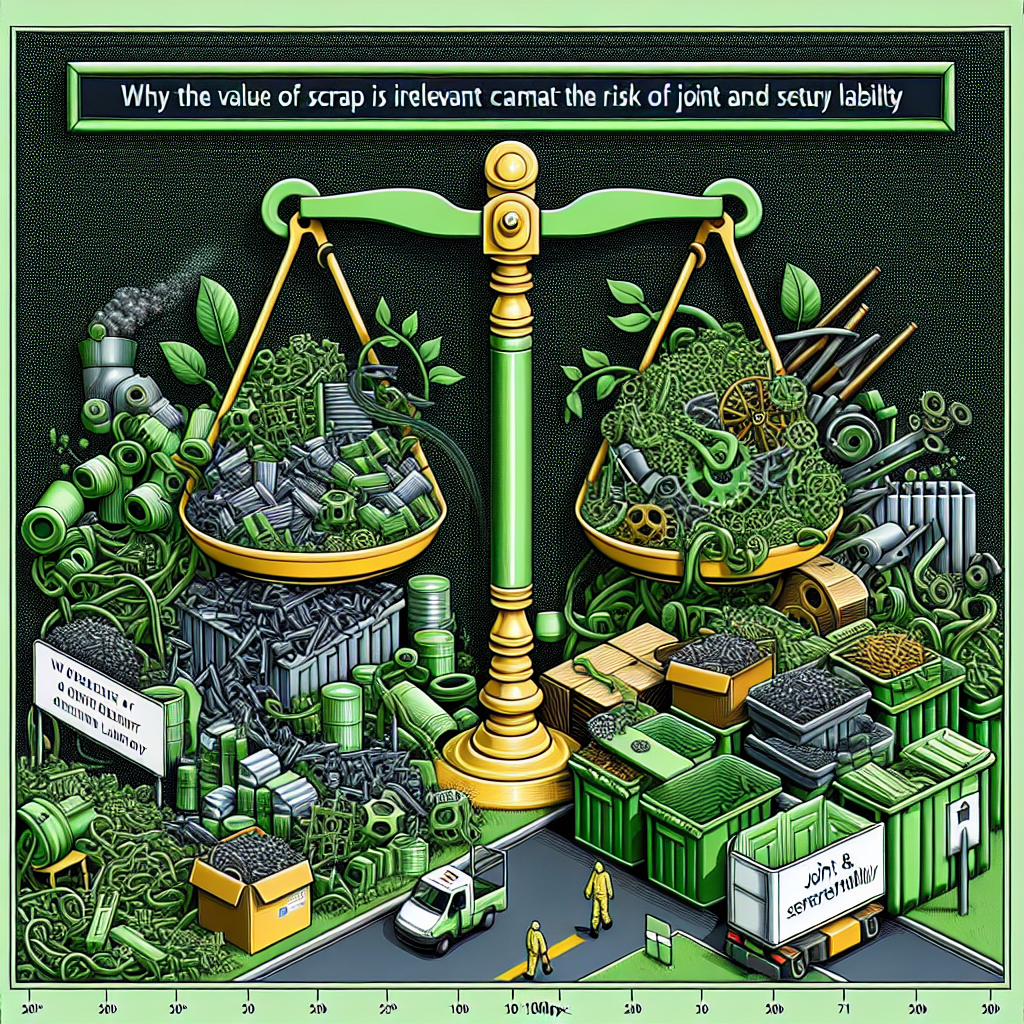
Why the Value of Scrap Is Irrelevant in the Face of Joint Liability Risk
Introduction
Inadequate management of post-use materials, regardless of the residual economic value, can generate significant legal risks for those responsible for the final destination. In the Brazilian regulatory context, the issue of joint liability establishes obligations that go beyond the simple value of the scrap, imposing severe legal consequences in case of non-compliance.
Joint Liability in Waste Management
Brazilian legislation, through Law No. 12,305/2010 (National Solid Waste Policy - PNRS), defines that waste generators are jointly responsible for the proper destination of materials until their reuse, recycling, or environmentally appropriate final disposal. Such responsibility is non-delegable and transcends the mere economic transaction associated with the value of scrap.
Legal Implications of Joint Liability
According to Article 33 of the PNRS, responsibility for waste management covers the entire production chain, including manufacturers, importers, distributors, and retailers, who must ensure correct destination. Disregard for these provisions may result in administrative, civil, and criminal sanctions, as provided in Article 56, highlighting that the focus should be on compliance with regulations and risk mitigation, not just the economic valuation of scrap.
Liability Risk Regardless of Economic Value
The commercial value of scrap is irrelevant when compared to the legal risk, since environmental damage or non-compliance with legislation can lead to high fines and the possibility of joint liability, including obligations to repair environmental damage and compensate for losses. Negligence in disposal may also compromise operating licenses and lead to lawsuits, with severe financial and reputational impact.
Guidelines for Risk Mitigation
To mitigate risks, it is essential to implement practices compliant with legislation, such as proper waste management and disposal. Hiring certified services for electronic waste collection and employing safe methods for secure disposal of media and hard drives are effective measures to ensure compliance and avoid sanctions.
Conclusion
The economic value of waste cannot be the determining factor in the decision-making process for its disposal or reuse, considering the inherent legal risk of joint liability provided for in Brazilian environmental legislation. Strict compliance with the regulations is essential to avoid legal and environmental damages.

Deixe um comentário
O seu endereço de e-mail não será publicado. Campos obrigatórios são marcados com *