Blog Ecobraz Eigre
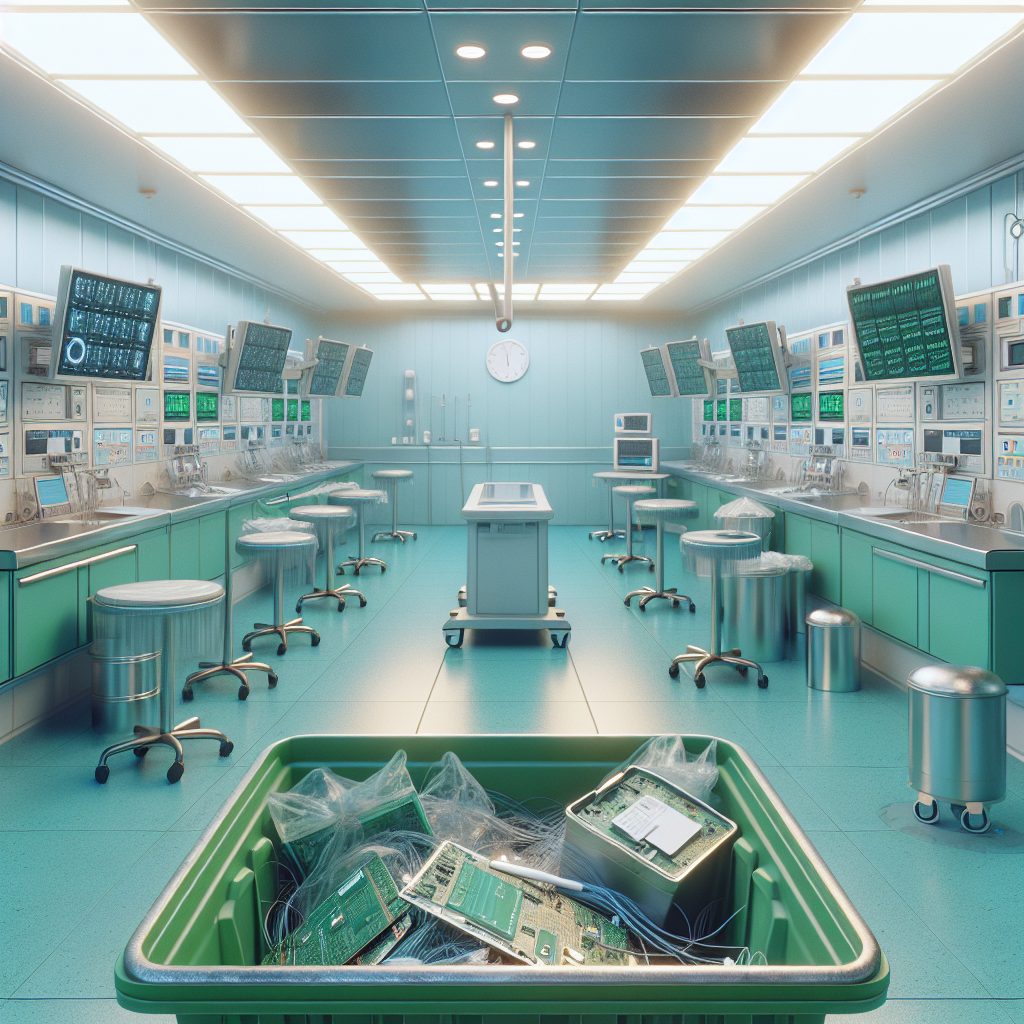
What is the correct solution for disposing of hospital and biomedical electronics?
Importance of proper disposal of hospital and biomedical electronics
The correct disposal of hospital and biomedical electronic equipment is essential to ensure environmental safety and the protection of public health. These devices contain hazardous materials which, if disposed of improperly, can cause soil, water and air contamination, as well as chemical and biological risks for the population.
Challenges of disposing of this equipment
Hospital and biomedical devices have complex components such as batteries, electronic circuits, heavy metals and chemical substances. This requires the disposal process to be carried out in accordance with specific rules, respecting environmental and health legislation to avoid exposure to toxic waste and ensure correct recycling and final disposal.
Rules and regulations applicable to disposal
In Brazil, the disposal of this type of electronic equipment is governed by the rules of the National Health Surveillance Agency (ANVISA), the National Environment Council (CONAMA) and the Brazilian Association of Technical Standards (ABNT). In addition, the National Solid Waste Policy (PNRS) establishes shared responsibility for disposal, encouraging the reuse, recycling and proper treatment of electronic hospital waste.
Recommended disposal procedures
1. Identification and segregation: Separate electronic hospital equipment from other waste, categorizing according to the risk involved.
2. Decontamination: Clean and neutralize any biological or chemical components present.
3. Recycling and reuse: Send recyclable components to specialized companies that can reuse metals, plastics and electronics in a sustainable way.
4. Environmentally correct final disposal: Materials that cannot be reused should be sent to appropriate treatment units, such as authorized incineration plants or proper landfills, avoiding environmental damage.
Innovative technologies for disposal
Emerging technologies in the treatment and recycling of hospital electronics include automated disassembly processes, recovery of precious metals and refinement of electronic materials, promoting greater efficiency and less environmental impact.
Benefits of proper disposal for healthcare institutions
In addition to legal compliance, proper disposal avoids fines and losses, promotes a sustainable institutional image, minimizes contamination risks and contributes to the circular economy by reusing materials and reducing the extraction of natural resources.
Conclusion
Proper disposal of hospital and biomedical electronics is essential for public health and the environment. Following current regulations and adopting responsible procedures ensures safety, sustainability and legal compliance, promoting efficient management of e-waste in the healthcare sector.
ManifestTransparency & Security Manifesto
Evidence and transparency: Our ESG approach is built on traceable documentation, verifiable records and auditable operational criteria. We turn electronic waste management into operational evidence to support governance, traceability and the mitigation of environmental, documentary and corporate risks. Documentary security and compliance: Documented traceability helps reduce regulatory exposure, strengthens documentary defensibility and supports alignment with applicable environmental policies, corporate contracts and governance requirements, including national and international references relevant to supply chains. Operational costing of reverse logistics: Door-to-door collection and responsible processing of electronic waste involve relevant logistics, technical and documentary costs. For this reason, Ecobraz structures transparent operational costing models linked to reverse logistics execution, with no promise of financial return, investment or asset appreciation. Governance: Operational execution is guided by compliance, traceability and verifiable documentation criteria. The priority is to strengthen the client’s corporate evidence, reduce documentary gaps and support safer, more responsible and defensible disposal decisions.

Deixe um comentário
O seu endereço de e-mail não será publicado. Campos obrigatórios são marcados com *