Blog Ecobraz Eigre
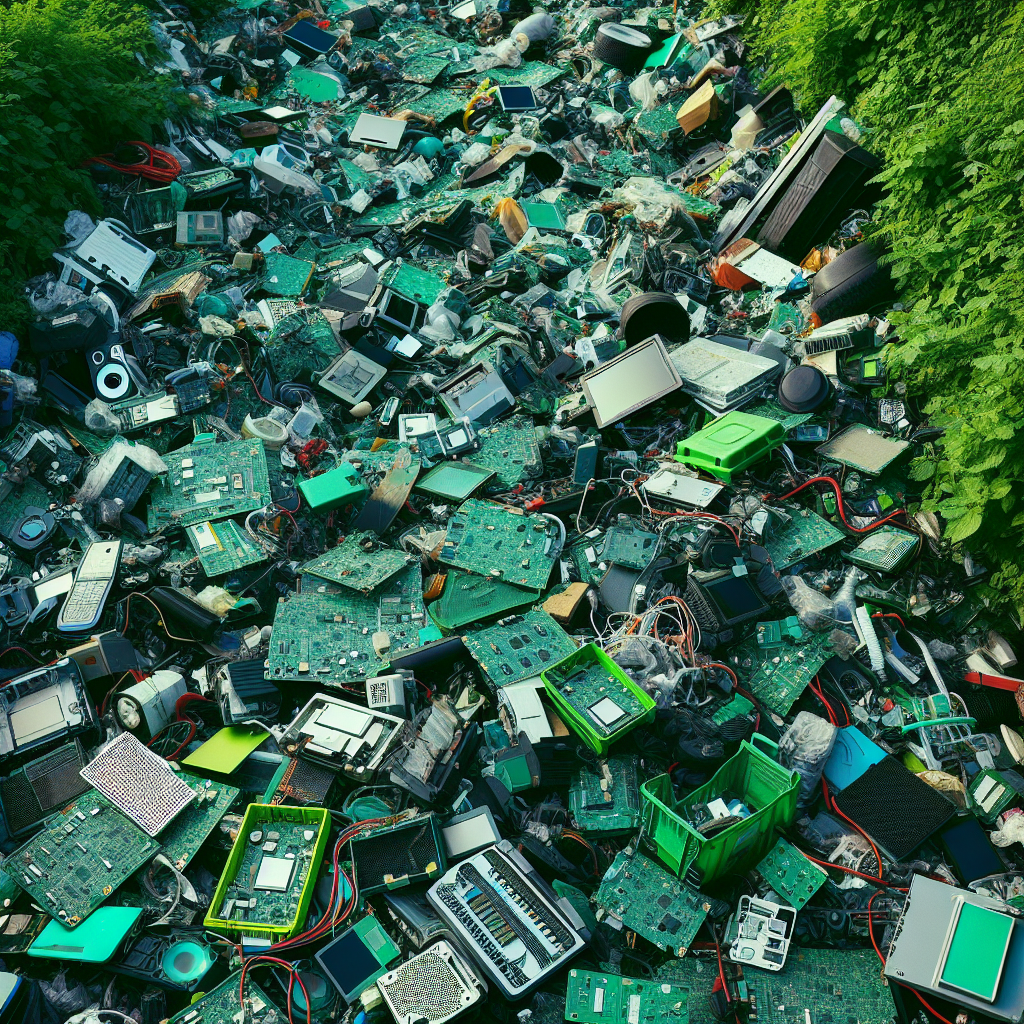
What is the environmental impact of improperly disposed of electronics?
Introduction
The incorrect disposal of electronics has become a growing concern due to technological advances and the increased consumption of these devices. Devices such as cell phones, computers, televisions and other electronic equipment contain components that can cause serious damage to the environment when not disposed of properly.
Toxic Components in Electronics
Electronics contain various toxic materials, such as lead, mercury, cadmium, beryllium and brominated flame retardants. These components, when released into the environment, can contaminate soil, water and air, causing negative impacts on human health and ecosystems.
Impacts on Soil and Water
When electronics are disposed of incorrectly, such as in dumps or in the environment, the heavy metals and toxic substances present can seep into the soil, contaminating it. In addition, these toxins can reach groundwater, rivers and other bodies of water, putting the flora, fauna and human communities that depend on these sources at risk.
Human Health Consequences
Exposure to the chemicals released by improperly disposed of electronics can cause serious health problems, including respiratory diseases, damage to the nervous system, hormonal disorders and cancer. Informal workers who handle e-waste without adequate protection are especially vulnerable.
Impact on Air and Biodiversity
When electronics are burned to recover metals, they release toxic pollutants into the air that contribute to air pollution and affect local biodiversity. Atmospheric contamination by harmful chemicals can cause harm to animals and plants, as well as contributing to climate change.
The Importance of Proper Recycling
The proper recycling of electronics is fundamental to minimizing environmental impacts. By reusing components and recycling materials, toxic substances are prevented from being released and the extraction of natural resources is reduced, promoting sustainability.
Sustainable Initiatives and Solutions
Diverse initiatives are emerging to encourage correct disposal, such as collection points, public policies and awareness campaigns. Environmental education plays a crucial role in making people understand the importance of correctly handling electronic waste.
Conclusion
The incorrect disposal of electronics causes serious environmental and social impacts, from soil and water contamination to human exposure to dangerous substances. It is essential to promote proper disposal and recycling practices to preserve the environment and ensure health for future generations.
ManifestTransparency & Security Manifesto
Evidence and transparency: Our ESG approach is built on traceable documentation, verifiable records and auditable operational criteria. We turn electronic waste management into operational evidence to support governance, traceability and the mitigation of environmental, documentary and corporate risks. Documentary security and compliance: Documented traceability helps reduce regulatory exposure, strengthens documentary defensibility and supports alignment with applicable environmental policies, corporate contracts and governance requirements, including national and international references relevant to supply chains. Operational costing of reverse logistics: Door-to-door collection and responsible processing of electronic waste involve relevant logistics, technical and documentary costs. For this reason, Ecobraz structures transparent operational costing models linked to reverse logistics execution, with no promise of financial return, investment or asset appreciation. Governance: Operational execution is guided by compliance, traceability and verifiable documentation criteria. The priority is to strengthen the client’s corporate evidence, reduce documentary gaps and support safer, more responsible and defensible disposal decisions.

Deixe um comentário
O seu endereço de e-mail não será publicado. Campos obrigatórios são marcados com *