Blog Ecobraz Eigre
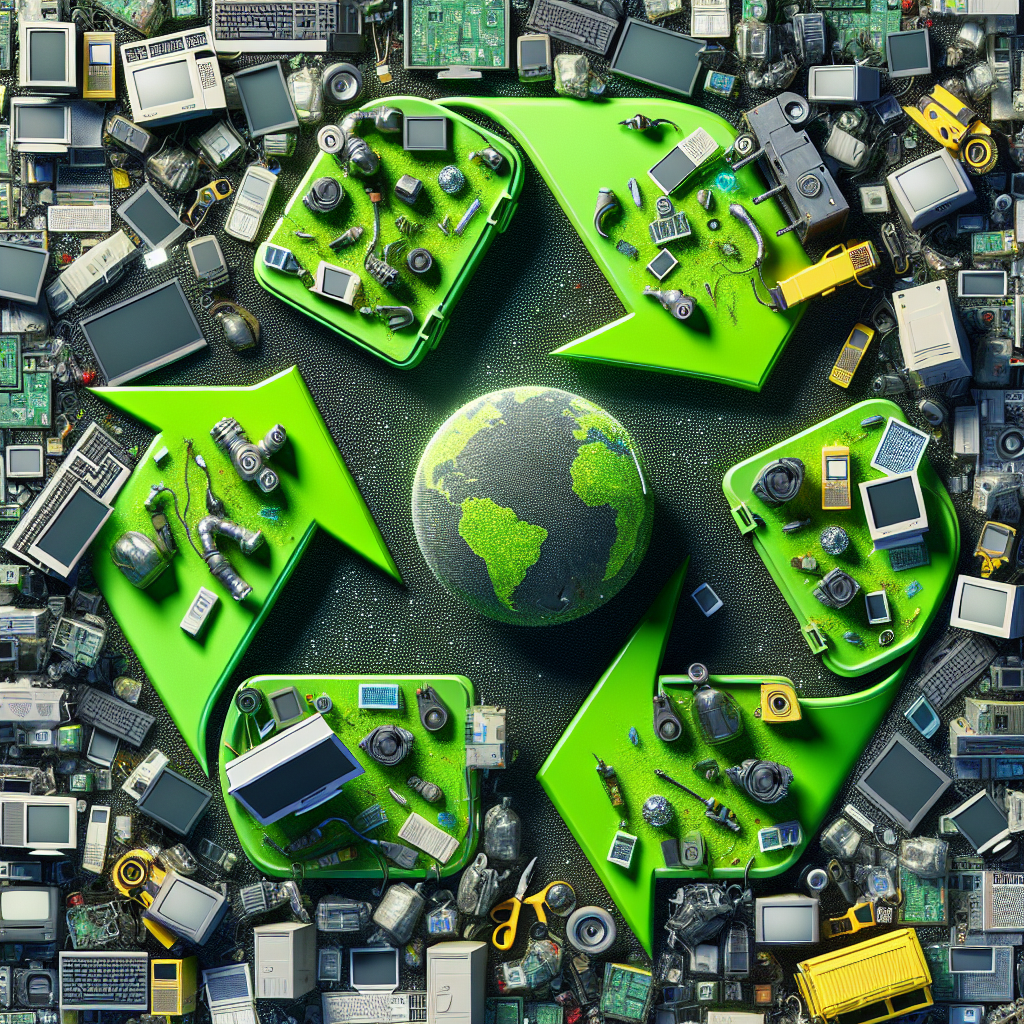
Electronics recycling: the solution that could change the global carbon balance
Understanding the importance of electronics recycling
The exponential increase in the consumption of electronic devices has generated a significant environmental impact. Improper disposal of these materials contributes to an increase in greenhouse gas emissions and soil and water contamination. Electronics recycling has emerged as a strategic solution to reduce the global carbon balance by reusing valuable materials and minimizing the extraction of natural resources.
How electronics recycling influences the carbon balance
Electronic devices contain precious metals such as gold, silver, copper and other elements that require energy-intensive industrial processes. By recycling correctly, the intensive mining of these metals is avoided, significantly reducing the CO2 emissions associated with extraction and processing. In addition, the reuse of components reduces the volume of waste, reducing the release of harmful gases from improper decomposition.
Efficient processes for the reuse of electronics
To maximize the positive impact of recycling, it is essential that electronic devices go through specific stages such as disassembly, separation of materials and proper treatment of toxic components. Advanced technologies have been developed to optimize these steps, ensuring greater recovery of raw materials and less environmental impact. Such processes contribute not only to carbon reduction, but also to a sustainable circular economy.
Environmental and economic benefits of electronics recycling
In addition to reducing the carbon balance, recycling electronics reduces soil and water pollution, protects biodiversity and reduces the energy consumption needed to produce new devices. From an economic point of view, the reuse of materials generates opportunities for new markets and jobs related to the recycling chain, stimulating a sustainable economy.
The role of the consumer and the community in recycling
The significant change in the global carbon balance also depends on individual and collective awareness and action. Correctly disposing of electronics, participating in selective collection programs and encouraging public policies aimed at reuse are essential attitudes to reinforce the positive impact of recycling.
Challenges and future prospects
While electronics recycling has clear benefits, there are still challenges such as the complexity of modern appliances and the lack of adequate infrastructure in many regions. Investments in research, environmental education and integrated policies are essential to overcome these barriers, consolidating recycling as a vital tool in the fight against climate change.
ManifestTransparency & Security Manifesto
Evidence and transparency: Our ESG approach is built on traceable documentation, verifiable records and auditable operational criteria. We turn electronic waste management into operational evidence to support governance, traceability and the mitigation of environmental, documentary and corporate risks. Documentary security and compliance: Documented traceability helps reduce regulatory exposure, strengthens documentary defensibility and supports alignment with applicable environmental policies, corporate contracts and governance requirements, including national and international references relevant to supply chains. Operational costing of reverse logistics: Door-to-door collection and responsible processing of electronic waste involve relevant logistics, technical and documentary costs. For this reason, Ecobraz structures transparent operational costing models linked to reverse logistics execution, with no promise of financial return, investment or asset appreciation. Governance: Operational execution is guided by compliance, traceability and verifiable documentation criteria. The priority is to strengthen the client’s corporate evidence, reduce documentary gaps and support safer, more responsible and defensible disposal decisions.

Deixe um comentário
O seu endereço de e-mail não será publicado. Campos obrigatórios são marcados com *