Blog Ecobraz Eigre
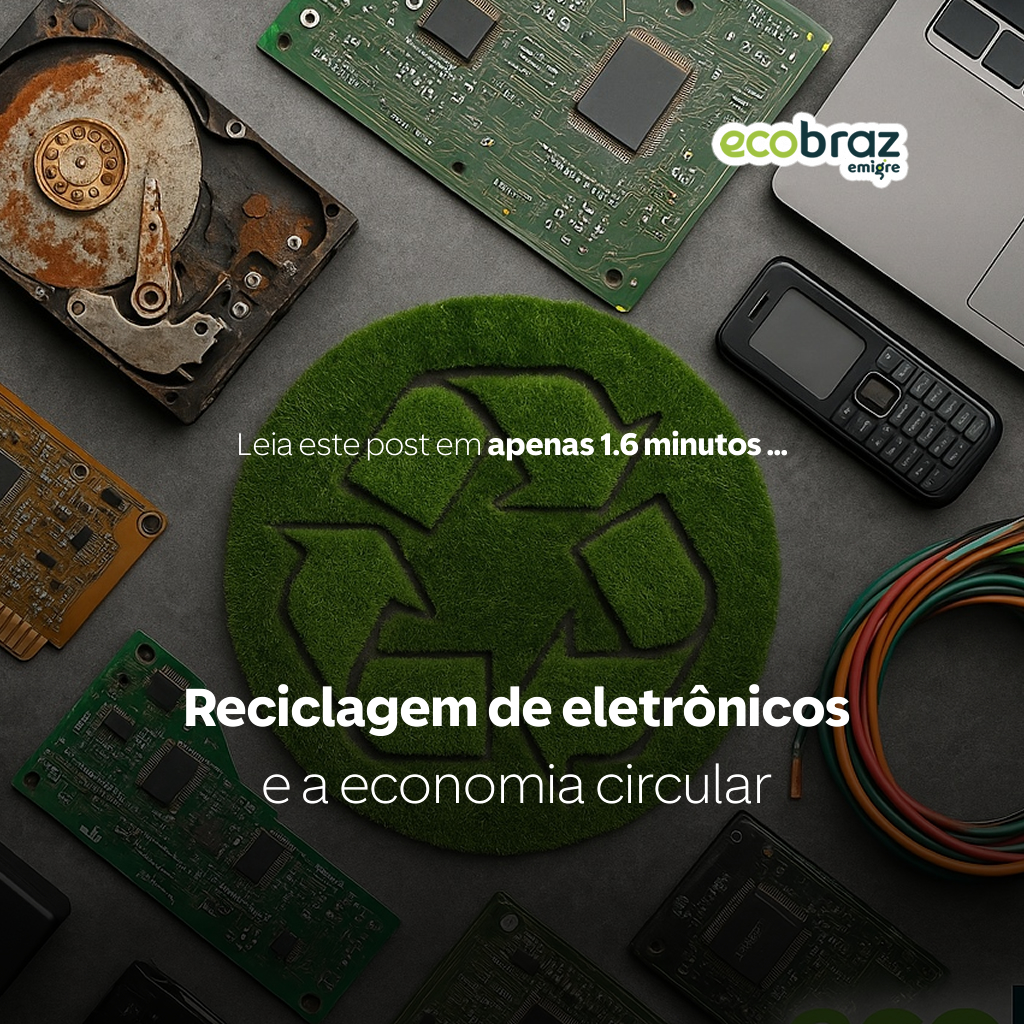
Electronics Recycling and the Circular Economy
Introduction: From linear consumption to circularity
The traditional consumption model is linear: extract → produce → consume → discard.
Although this model sustained the global economy for decades, it is no longer viable given the scarcity of natural resources and the increase in electronic waste.
The circular economy proposes a different cycle: design durable products, reuse materials, recycle resources, and minimize waste.
The role of electronics recycling in the circular economy
Electronic waste is rich in valuable raw materials such as:
-
Copper
-
Aluminum
-
Engineering plastics
-
Gold and silver in boards and connectors
Recycling allows these materials to be recovered and reintroduced into the production chain, reducing the need for new mining activities and their environmental impact.
Benefits of electronics recycling for the circular economy
-
Environmental
-
Reduction of waste sent to landfills.
-
Less soil and water contamination from heavy metals.
-
Decrease in carbon emissions.
-
-
Economic
-
Generation of raw materials for industry.
-
Reduced costs from extraction and importation of inputs.
-
Creation of new sustainable business models.
-
-
Social
-
Generation of formal and indirect jobs.
-
Digital inclusion through equipment reuse.
-
Environmental education and social awareness.
-
How Ecobraz contributes to circularity
Ecobraz Emigre plays a leading role in applying the circular economy to the electronics sector:
-
Nationwide collection of post-consumer equipment.
-
Technical dismantling and separation of components.
-
Recovery of metals and plastics through environmentally sound processes.
-
Integration with social projects, such as building technology centers in communities.
-
Documentation and certification for companies that need to demonstrate ESG practices.
Circular economy as a strategic advantage for companies
Companies that integrate electronics recycling into their operations achieve:
-
Strengthened reputation in ESG reports.
-
Regulatory compliance with PNRS and international standards.
-
Competitive advantage in global contracts and tenders.
-
Connection with investors prioritizing sustainable businesses.
Conclusion: Recycling as the engine of circularity
Electronics recycling is one of the driving forces of the circular economy, transforming waste into resources and ensuring a more sustainable future.
👉 Ecobraz Emigre is the ideal partner for companies seeking to align innovation, sustainability, and social responsibility, consolidating the circular economy as a strategic practice in their operations.
ManifestTransparency & Security Manifesto
Evidence and transparency: Our ESG approach is built on traceable documentation, verifiable records and auditable operational criteria. We turn electronic waste management into operational evidence to support governance, traceability and the mitigation of environmental, documentary and corporate risks. Documentary security and compliance: Documented traceability helps reduce regulatory exposure, strengthens documentary defensibility and supports alignment with applicable environmental policies, corporate contracts and governance requirements, including national and international references relevant to supply chains. Operational costing of reverse logistics: Door-to-door collection and responsible processing of electronic waste involve relevant logistics, technical and documentary costs. For this reason, Ecobraz structures transparent operational costing models linked to reverse logistics execution, with no promise of financial return, investment or asset appreciation. Governance: Operational execution is guided by compliance, traceability and verifiable documentation criteria. The priority is to strengthen the client’s corporate evidence, reduce documentary gaps and support safer, more responsible and defensible disposal decisions.

Deixe um comentário
O seu endereço de e-mail não será publicado. Campos obrigatórios são marcados com *