Blog Ecobraz Eigre
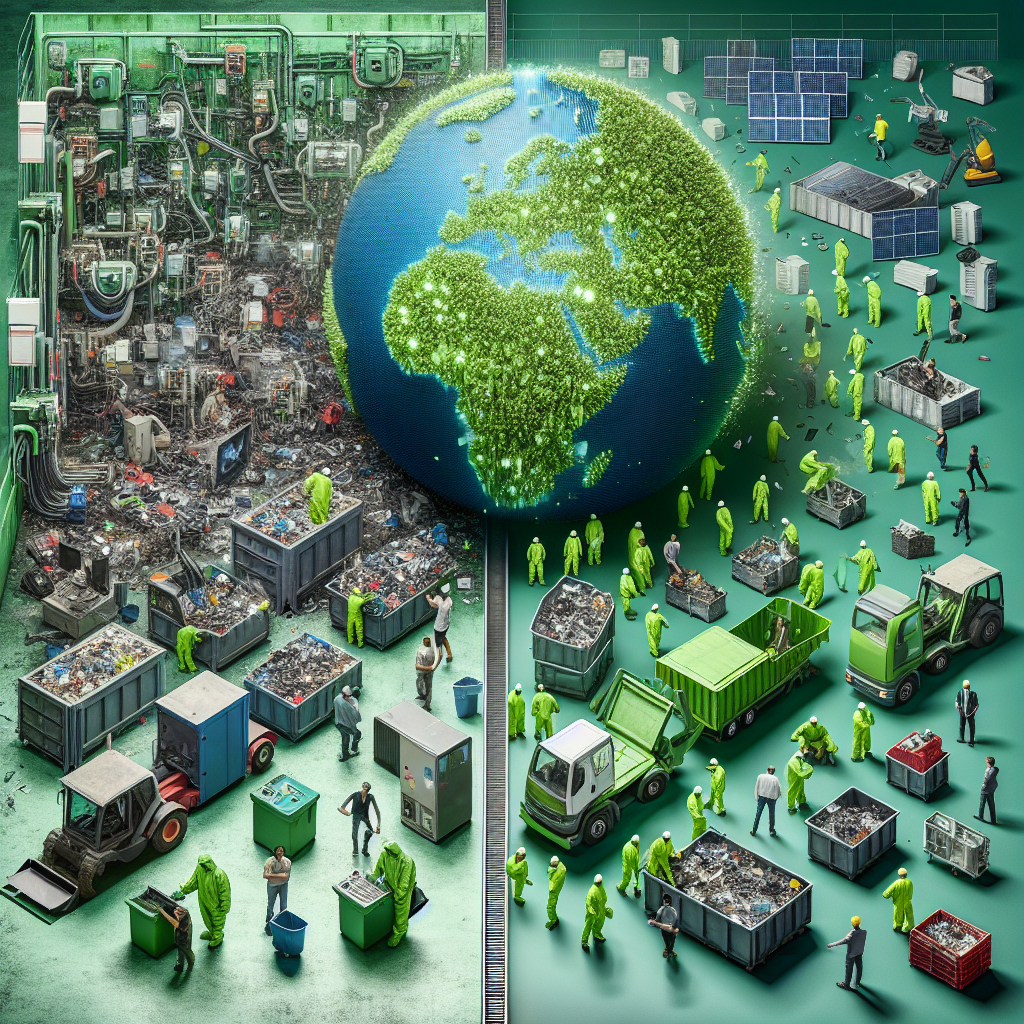
Electronics recycling in Brazil vs. the world: lessons from international benchmarking
Introduction to Electronics Recycling
Electronics recycling is a crucial issue for global environmental sustainability. With accelerated technological advances, the improper disposal of electronic devices has increased, requiring efficient solutions to reduce environmental impact.
Panorama of Electronics Recycling in Brazil
In Brazil, the electronics recycling scenario presents significant challenges, such as the lack of adequate infrastructure, low public awareness and difficulties in reverse logistics. Despite legislation such as the National Solid Waste Policy (PNRS), the country still faces difficulties in achieving satisfactory levels of recycling and reuse of electronic components.
International Models of Success
Countries such as Japan, Germany and South Korea are global references in the management and recycling of electronics. In Japan, mandatory return systems and the active participation of e-commerce sustain high recycling rates. In Germany, the strict regulatory system combined with economic incentives promotes the efficient recovery of precious materials. South Korea invests in advanced separation and reuse technologies, as well as educational campaigns, stimulating social awareness.
Benchmarking Lessons for Brazil
By analyzing these international models, some lessons can be applied to the Brazilian context. Firstly, it is essential to strengthen the infrastructure for collection and processing, with broad integration between public and private sectors. In addition, more effective public policies and strict enforcement are essential to ensure compliance. Massive educational programs can increase citizen participation in recycling. Finally, investing in cutting-edge technologies for the reuse of electronics can improve the efficiency and sustainability of the process.
The Role of Technology and Awareness
Technological advances offer opportunities to improve the management of electronic waste. Tracking software, automated sorting systems and improved recycling are important tools to adopt. At the same time, environmental education must be ongoing, so that there is a collective commitment to responsible disposal and reuse of devices.
Future Prospects and Positive Impacts
By adopting these practices, Brazil can significantly reduce the volume of electronic waste disposed of incorrectly, reduce pollution and recover valuable materials, such as precious metals. In addition, this change boosts the circular economy, creates jobs and strengthens national sustainability.
ManifestTransparency & Security Manifesto
Evidence and transparency: Our ESG approach is built on traceable documentation, verifiable records and auditable operational criteria. We turn electronic waste management into operational evidence to support governance, traceability and the mitigation of environmental, documentary and corporate risks. Documentary security and compliance: Documented traceability helps reduce regulatory exposure, strengthens documentary defensibility and supports alignment with applicable environmental policies, corporate contracts and governance requirements, including national and international references relevant to supply chains. Operational costing of reverse logistics: Door-to-door collection and responsible processing of electronic waste involve relevant logistics, technical and documentary costs. For this reason, Ecobraz structures transparent operational costing models linked to reverse logistics execution, with no promise of financial return, investment or asset appreciation. Governance: Operational execution is guided by compliance, traceability and verifiable documentation criteria. The priority is to strengthen the client’s corporate evidence, reduce documentary gaps and support safer, more responsible and defensible disposal decisions.

Deixe um comentário
O seu endereço de e-mail não será publicado. Campos obrigatórios são marcados com *