Blog Ecobraz Eigre
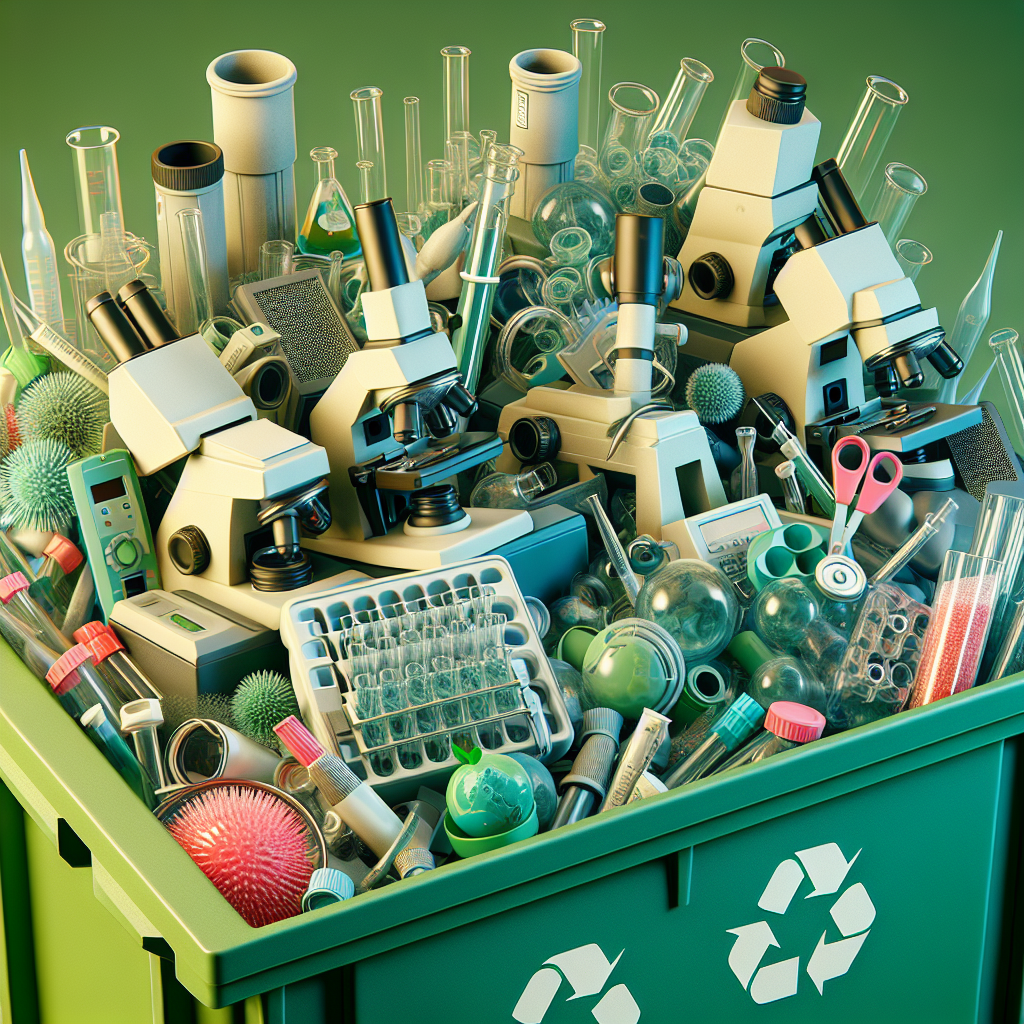
Recycling Diagnostic and Laboratory Equipment
Introduction to the Recycling of Diagnostic and Laboratory Equipment
The recycling of equipment used in diagnostics and laboratories is an essential practice in the sustainable management of electronic and chemical waste, especially given the growing generation of these materials. In addition to promoting environmental preservation, this proper management complies with current regulations that guarantee the safe handling and final disposal of these devices.
Regulations and Applicable Legislation
The regulatory framework that establishes guidelines for the management of solid waste, including electronic and diagnostic equipment, is Law No. 12.305/2010, which establishes the National Solid Waste Policy (PNRS). According to the PNRS, responsibility for the proper management of this waste is shared between generators, operators and public bodies.
In addition, CONAMA Resolution No. 401/2008 provides guidance on procedures for the collection and treatment of health service waste, which includes contaminated laboratory equipment or equipment with hazardous components.
Challenges in Equipment Waste Management
Diagnostic and laboratory equipment often contains chemical substances and electronic components that require specific processes for recycling and disposal. The presence of heavy metals such as mercury, cadmium and lead makes it essential to adopt specialized techniques to minimize environmental and human health risks.
Inadequate management can lead to soil and water contamination, as well as posing risks to the production chain and public health.
Procedures for Collection and Recycling
For the collection of obsolete or disused electronic equipment, it is recommended to use specialized channels that guarantee safe handling and proper disposal, such as the services available for scheduling the collection of electronic waste. These services make it possible to trace the waste, ensuring that it is disposed of in accordance with current regulations.
In addition, when disposing of data storage devices, such as hard drives and other media, it is essential to carry out safe sanitization processes to protect sensitive information, in accordance with the protocols indicated in the schedule for safe media disposal.
Technical Treatment and Recycling
The treatment of waste from laboratory and diagnostic equipment takes place in controlled stages, including manual or automated dismantling, segregation of components, decontamination of hazardous materials and recycling of recoverable metals and plastics.
Companies authorized by state environmental agencies, such as CETESB (Companhia Ambiental do Estado de São Paulo), guarantee compliance with technical and environmental standards during the process.
Benefits and Importance of Suitability
The correct recycling practice promotes the reduction of environmental impact, the recovery of valuable raw materials and compliance with legal obligations related to social and environmental responsibility. This strengthens corporate sustainability policies, minimizes legal risks and strengthens the institutional image with stakeholders and regulatory bodies.
Conclusion
The management and recycling of diagnostic and laboratory equipment requires compliance with current environmental and health regulations, prioritizing safety and reduced environmental impact. Hiring specialized services for collection and safe disposal is essential to ensure legal compliance and environmental protection.
ManifestTransparency & Security Manifesto
Evidence and transparency: Our ESG approach is built on traceable documentation, verifiable records and auditable operational criteria. We turn electronic waste management into operational evidence to support governance, traceability and the mitigation of environmental, documentary and corporate risks. Documentary security and compliance: Documented traceability helps reduce regulatory exposure, strengthens documentary defensibility and supports alignment with applicable environmental policies, corporate contracts and governance requirements, including national and international references relevant to supply chains. Operational costing of reverse logistics: Door-to-door collection and responsible processing of electronic waste involve relevant logistics, technical and documentary costs. For this reason, Ecobraz structures transparent operational costing models linked to reverse logistics execution, with no promise of financial return, investment or asset appreciation. Governance: Operational execution is guided by compliance, traceability and verifiable documentation criteria. The priority is to strengthen the client’s corporate evidence, reduce documentary gaps and support safer, more responsible and defensible disposal decisions.

Deixe um comentário
O seu endereço de e-mail não será publicado. Campos obrigatórios são marcados com *