Blog Ecobraz Eigre
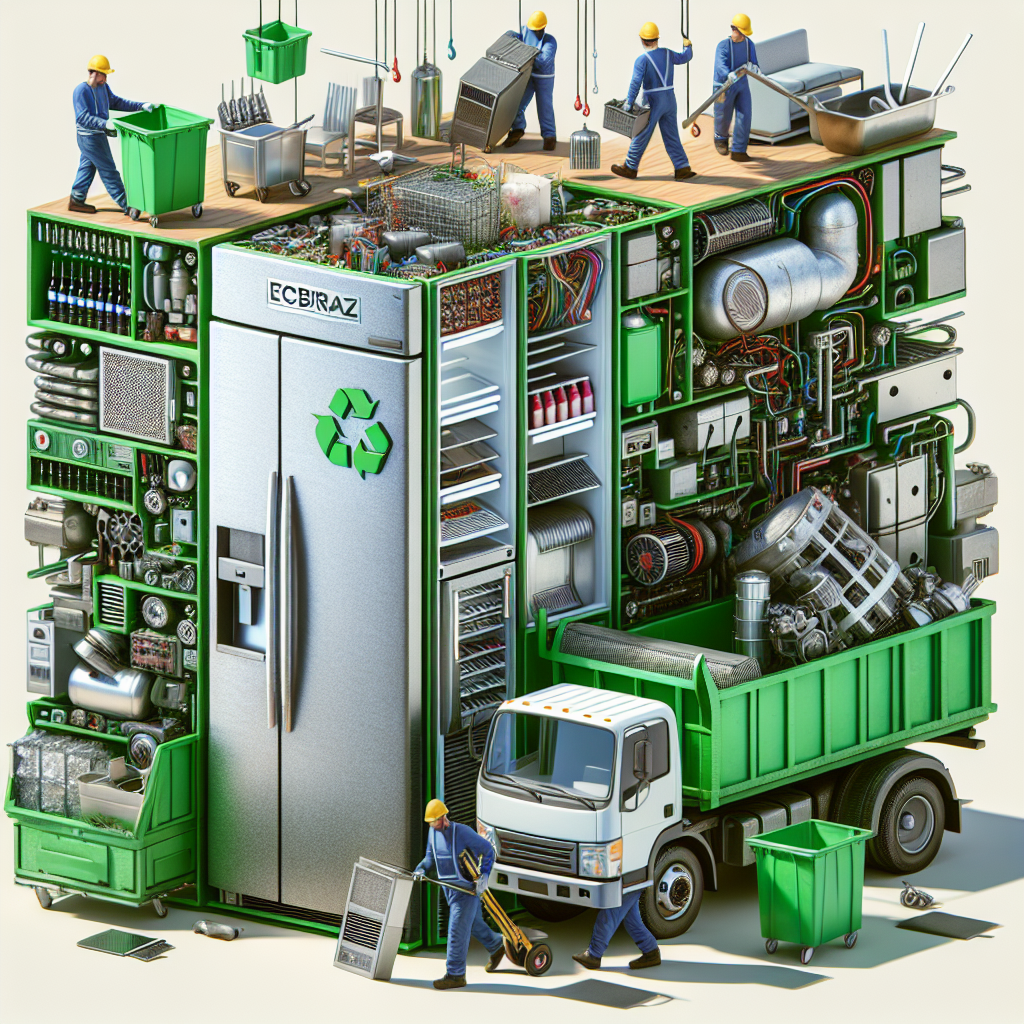
Commercial refrigerator recycling: bars, restaurants and Ecobraz
Introduction to Commercial Refrigerator Recycling
The recycling of commercial refrigerators in bars and restaurants is fundamental for environmental sustainability and compliance with current regulations. Devices such as refrigerators store substances that can cause environmental damage if disposed of inappropriately, requiring specific final disposal procedures.
Applicable Legislation and Responsibilities
The correct management of commercial refrigerator disposal is provided for in the National Solid Waste Policy (Law No. 12.305/2010), available at planalto.gov.br. According to this legislation, commercial establishments such as bars and restaurants are jointly responsible for the proper disposal of waste, including refrigerated equipment.
Environmental Impacts of Improper Disposal
Equipment such as commercial refrigerators contains refrigerant gases which, when disposed of incorrectly, can contribute to the greenhouse effect and the destruction of the ozone layer. CETESB stresses the importance of the correct removal of these gases and the proper disposal of electrical and electronic components (cetesb.sp.gov.br).
Technical Procedures for Recycling
The recycling process involves the safe removal of refrigerants, disassembly of metal and plastic components and disposal for reuse. SINIR (the National Solid Waste Management Information System) offers technical guidelines for handling and recycling this equipment, reinforcing the importance of legal compliance (sinir.gov.br).
Ecobraz's Role in Management and Recycling
Ecobraz is a benchmark in the environmental management of the life cycle of electrical and electronic equipment, including commercial refrigerators. Through certified processes, it promotes proper collection and recycling, ensuring that materials are reused and pollutants neutralized (ecobraz.org/en_BR).
Collection and Logistics for Sustainable Disposal
For the proper disposal of commercial refrigerators, bars and restaurants can request specialized collection of electronic equipment to ensure environmental and legal compliance. The process includes proper transportation and final treatment, taking safety and sustainability into account.
Safety in the Destruction of Data in Associated Equipment
When digital media is present in commercial equipment, the sanitization of hard drives and media ensures data protection, avoiding legal and commercial risks associated with information leakage.
Conclusion
The responsible disposal and recycling of commercial refrigerators in bars and restaurants is an essential practice for legal compliance and minimizing environmental impacts. The support of institutions such as Ecobraz, which promote specialized collection and certified processes, is fundamental to the success of these operations.
ManifestTransparency & Security Manifesto
Evidence and transparency: Our ESG approach is built on traceable documentation, verifiable records and auditable operational criteria. We turn electronic waste management into operational evidence to support governance, traceability and the mitigation of environmental, documentary and corporate risks. Documentary security and compliance: Documented traceability helps reduce regulatory exposure, strengthens documentary defensibility and supports alignment with applicable environmental policies, corporate contracts and governance requirements, including national and international references relevant to supply chains. Operational costing of reverse logistics: Door-to-door collection and responsible processing of electronic waste involve relevant logistics, technical and documentary costs. For this reason, Ecobraz structures transparent operational costing models linked to reverse logistics execution, with no promise of financial return, investment or asset appreciation. Governance: Operational execution is guided by compliance, traceability and verifiable documentation criteria. The priority is to strengthen the client’s corporate evidence, reduce documentary gaps and support safer, more responsible and defensible disposal decisions.

Deixe um comentário
O seu endereço de e-mail não será publicado. Campos obrigatórios são marcados com *