Blog Ecobraz Eigre
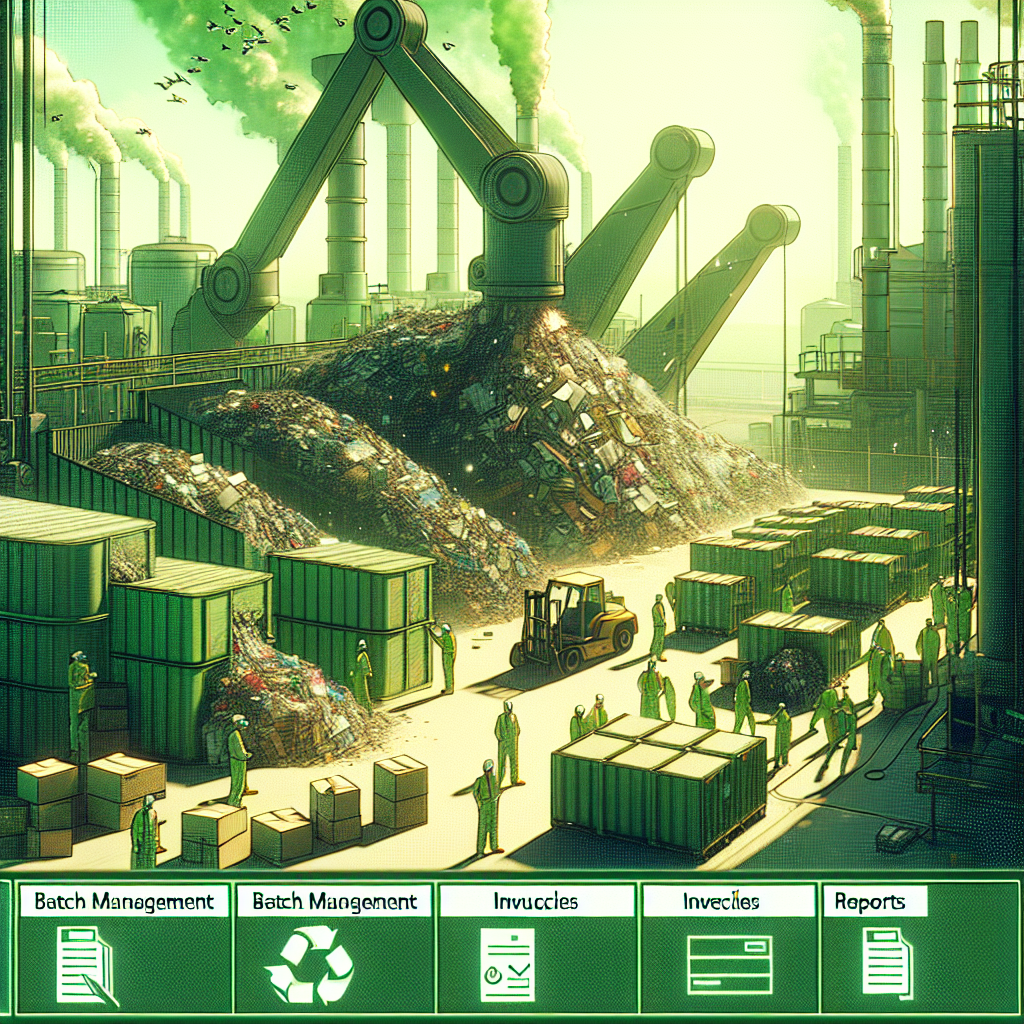
Recycling for Industries: Batch Management, Invoices and Reports
Batch Management in Industrial Recycling
In recycling for industrial sectors, batch management is essential to guarantee traceability and environmental compliance with current legislation. The correct cataloging and segregation of batches facilitates the inspection and transfer of recyclable materials, complying with the requirements of the National Solid Waste Management Information System (SINIR), as established by Law No. 12.305/2010.
Electronic Invoice in Waste Control
The use of the Electronic Invoice (NF-e) is essential for the transportation and sale of waste to be recycled. According to Law No. 13.877/2019, issuing the NF-e for waste facilitates control and transparency in logistics operations, ensuring the correct destination of waste in accordance with state regulations, such as those of CETESB in São Paulo.
Technical Reports and Environmental Compliance
Technical reports are essential documents that attest to the physical and chemical characteristics of the waste generated, guaranteeing safety in reuse and recycling. Compliance with Resolution CONAMA No. 401/2008 is mandatory for the assessment of hazardous and non-hazardous waste, ensuring compliance with environmental guidelines.
Destination and Safe Collection of Electronic Equipment
For the proper disposal of electronic equipment, especially sensitive components such as hard drives and media, it is recommended to use specialized services that guarantee the protection of information and the environmentally correct reuse of materials. To schedule compliant electronic collection services, go to Electronic Collection and for secure data destruction, use the Hard Drive Sanitization.
Conclusion
Effective batch management, the accurate issuing of Electronic Invoices and the preparation of technical reports are the cornerstones of sustainable and legally compliant industrial recycling. The rigorous adoption of these processes ensures environmental responsibility and compliance with regulations such as Law No. 12.305/2010 and CONAMA resolutions, promoting the circular economy and mitigating environmental impacts.
ManifestTransparency & Security Manifesto
Evidence and transparency: Our ESG approach is built on traceable documentation, verifiable records and auditable operational criteria. We turn electronic waste management into operational evidence to support governance, traceability and the mitigation of environmental, documentary and corporate risks. Documentary security and compliance: Documented traceability helps reduce regulatory exposure, strengthens documentary defensibility and supports alignment with applicable environmental policies, corporate contracts and governance requirements, including national and international references relevant to supply chains. Operational costing of reverse logistics: Door-to-door collection and responsible processing of electronic waste involve relevant logistics, technical and documentary costs. For this reason, Ecobraz structures transparent operational costing models linked to reverse logistics execution, with no promise of financial return, investment or asset appreciation. Governance: Operational execution is guided by compliance, traceability and verifiable documentation criteria. The priority is to strengthen the client’s corporate evidence, reduce documentary gaps and support safer, more responsible and defensible disposal decisions.

Deixe um comentário
O seu endereço de e-mail não será publicado. Campos obrigatórios são marcados com *