Blog Ecobraz Eigre
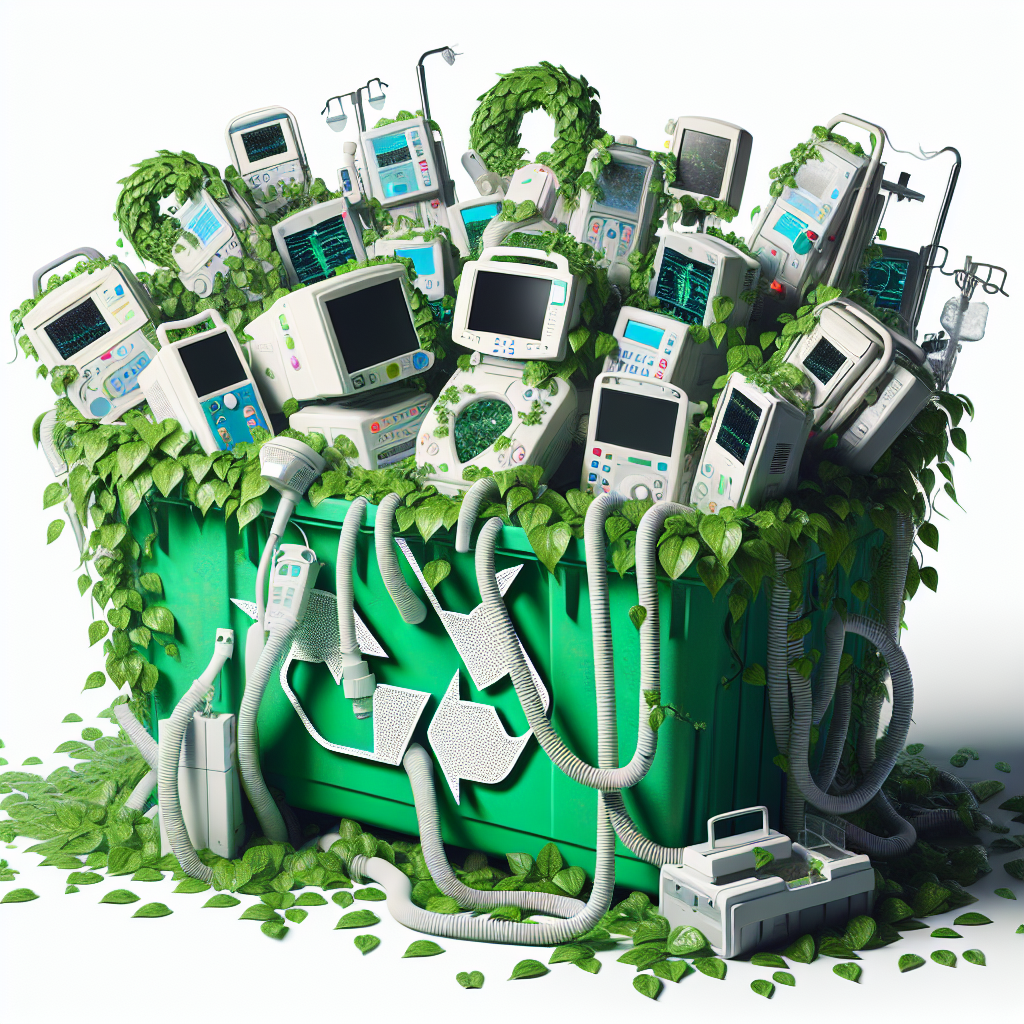
Sustainable recycling of hospital machinery with Ecobraz
The hospital sector demands sustainable solutions for the recycling of hospital machinery, which includes electronic and highly complex equipment. Ecobraz offers advanced practices, in line with Brazilian legislation, for the collection, dismantling and responsible reuse of these devices, ensuring compliance with environmental standards and safety in waste management.
Legal Context for Recycling Hospital Equipment
The recycling of hospital machinery must comply with the National Solid Waste Policy (PNRS) established by Law No. 12.305/2010, which emphasizes shared responsibility for the life cycle of products, including the environmentally appropriate disposal of electronic waste. SINIR - the National Solid Waste Management Information System, as regulated by Decree No. 10.936/2022, regulates the guidelines for the correct handling of these materials.
Importance of Sustainable Recycling in Hospital Equipment
The incorrect disposal of hospital machinery can generate serious environmental impacts, such as contamination by heavy metals and chemical components present in electronic circuits and specific materials. For this reason, sustainable recycling practices are essential to reduce environmental risks and preserve precious natural resources through the reuse of materials.
Processes for Recycling Hospital Machinery with Ecobraz
Ecobraz adopts a structured model for the sustainable management of hospital machinery, which includes the planning, collection, dismantling and disposal of waste in a safe and efficient manner. E-waste collection is carried out by specialized appointment to ensure proper transportation and avoid environmental damage. For specific services involving the safe disposal of storage media, such as disposal of hard drives and electronic media, Ecobraz offers certified solutions for the complete sanitization and protection of sensitive data.
Benefits for the Hospital Sector and Regulatory Compliance
Using sustainable recycling through Ecobraz demonstrates the hospital sector's commitment to socio-environmental responsibility, avoids legal penalties and ensures the correct management of electronic waste in accordance with the standards of the National Environmental Council (CONAMA) and IBAMA. Ensuring certified processes contributes to the continuity of operations, mitigating legal and image risks.
Final remarks
Advancing the sustainable recycling of hospital machinery is crucial to the development of responsible industrial disposal practices. Ecobraz offers technologies and expertise in line with legal requirements, reinforcing the importance of environmental management in the healthcare sector. To schedule e-waste collection focused on hospital equipment, we recommend accessing the specialized service of Ecobraz.
ManifestTransparency & Security Manifesto
Evidence and transparency: Our ESG approach is built on traceable documentation, verifiable records and auditable operational criteria. We turn electronic waste management into operational evidence to support governance, traceability and the mitigation of environmental, documentary and corporate risks. Documentary security and compliance: Documented traceability helps reduce regulatory exposure, strengthens documentary defensibility and supports alignment with applicable environmental policies, corporate contracts and governance requirements, including national and international references relevant to supply chains. Operational costing of reverse logistics: Door-to-door collection and responsible processing of electronic waste involve relevant logistics, technical and documentary costs. For this reason, Ecobraz structures transparent operational costing models linked to reverse logistics execution, with no promise of financial return, investment or asset appreciation. Governance: Operational execution is guided by compliance, traceability and verifiable documentation criteria. The priority is to strengthen the client’s corporate evidence, reduce documentary gaps and support safer, more responsible and defensible disposal decisions.

Deixe um comentário
O seu endereço de e-mail não será publicado. Campos obrigatórios são marcados com *