Blog Ecobraz Eigre
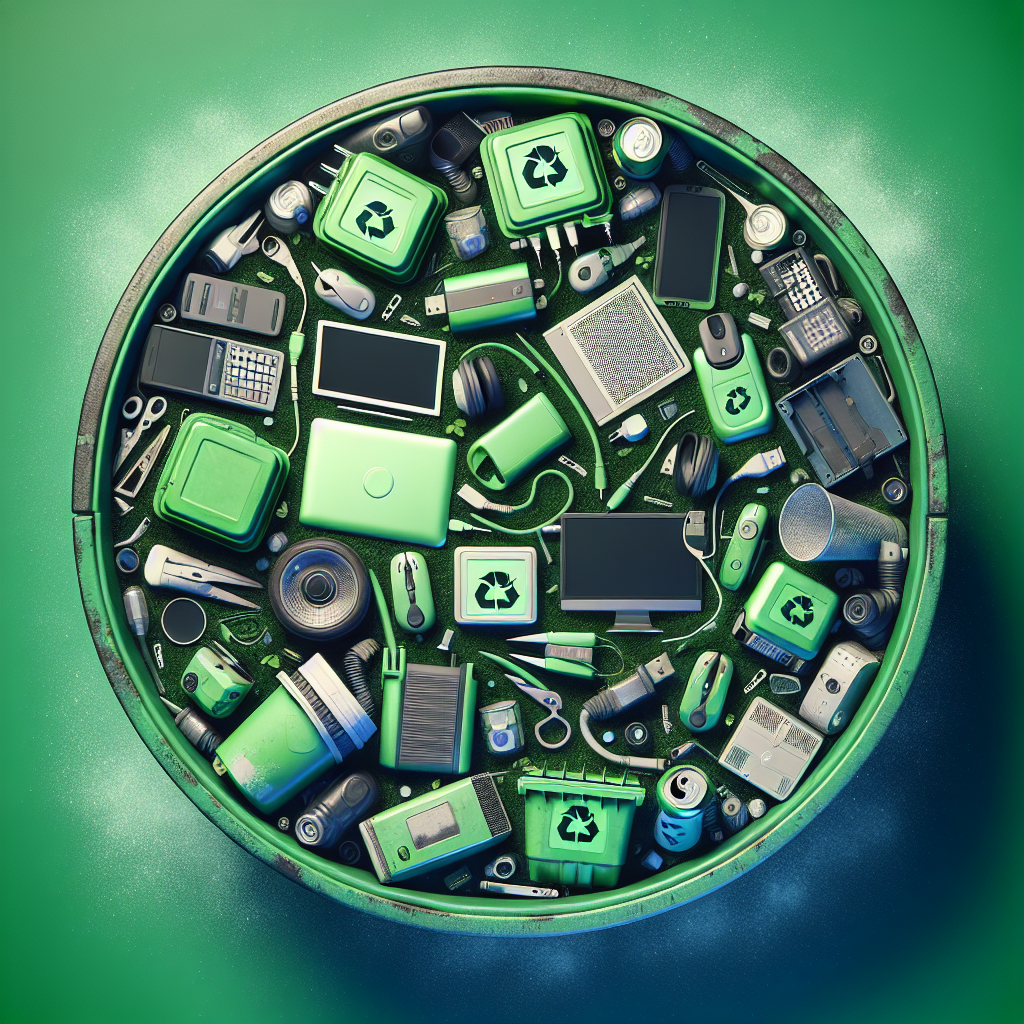
Domestic Sustainability: Reducing Electronic Waste Generation Before Disposal
Importance of Reducing Electronic Waste in the Domestic Environment
Proper management of domestic electronic waste is essential for environmental preservation and public health. Improper disposal of this waste can release toxic substances into the soil and water, compromising ecosystems and quality of life. Brazilian legislation, through the National Solid Waste Policy (Law No. 12,305/2010), establishes principles and guidelines to mitigate these impacts, reinforcing the shared responsibility among citizens and involved sectors.
Sustainable Practices for Reducing the Generation of Electronic Waste
To minimize the generation of electronic waste in households, it is recommended to adopt practices such as extending the useful life of equipment through preventive maintenance, software updates, and component reuse. Another relevant aspect is conscious purchasing, prioritizing devices with sustainability certification and greater ease of repair.
Reuse and Recycling: Complementary Strategies
Before the final disposal, it is important to explore possibilities of internal reuse or donation to prolong the usefulness of electronics. When disposal is unavoidable, specialized electronic waste collection ensures the proper forwarding of materials for recycling, according to international and national standards such as ABNT's NBR 15495. This practice reduces the volume of waste sent to landfills and recovers valuable raw materials.
Safety in the Disposal of Storage Devices
Devices such as hard drives and other media require special attention during disposal to protect sensitive data. The recommended technique is destruction or sanitization, following the guidelines of secure elimination of hard drives and media. This ensures the confidentiality of information and prevents the risk of cybersecurity vulnerabilities.
Compliance with Legislation and Domestic Responsibility
The National Solid Waste Policy and the National Information System on Solid Waste Management (SINIR - sinir.gov.br) emphasize the importance of active citizenship in the responsible management of domestic electronic waste. Besides environmental responsibility, compliance with these rules avoids penalties provided by law.
Conclusion
Adopting measures to reduce electronic waste generation in residential environments is a commitment to sustainability and environmental health. Practices such as maintenance, reuse, secure disposal, and legal compliance strengthen the waste management chain, contributing to a more sustainable and safer cycle.

Deixe um comentário
O seu endereço de e-mail não será publicado. Campos obrigatórios são marcados com *